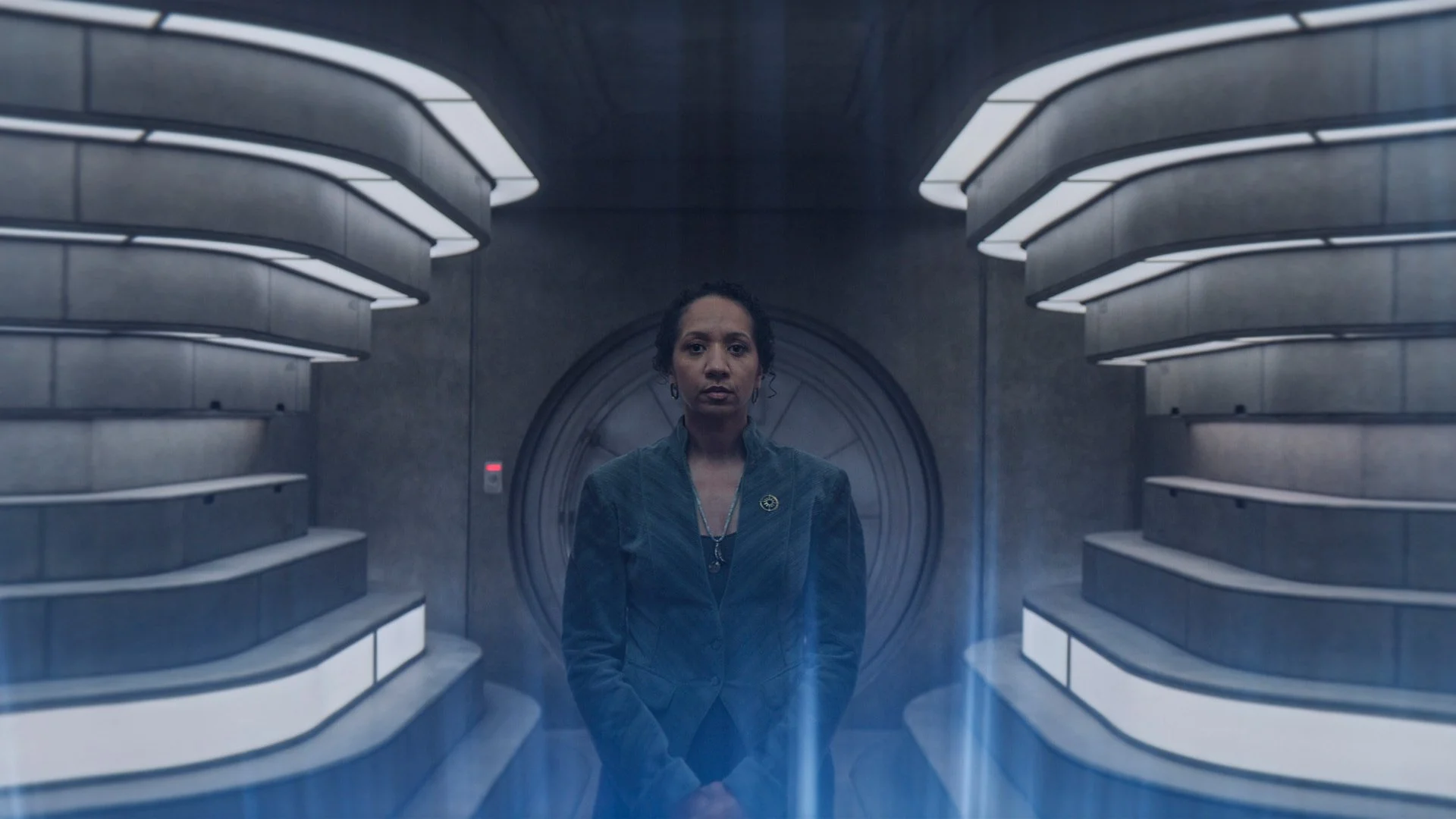
‘Silo’ Season 3 Review: Rebecca Ferguson Leads Apple TV’s Best, Boldest Season Yet
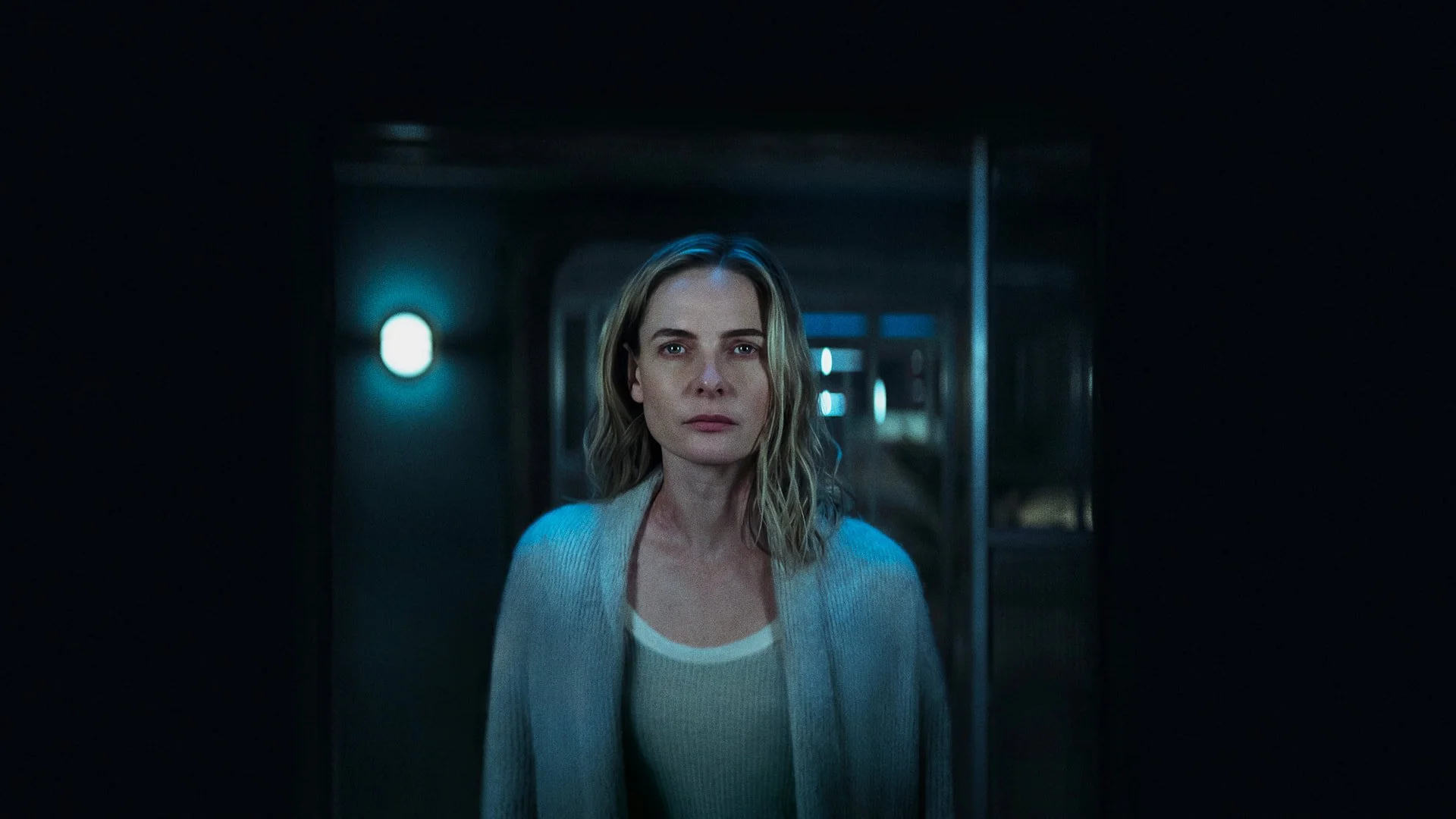
Rebecca Ferguson in "Silo," now streaming on Apple TV.
Apple TV’s dystopian mystery expands beyond the walls of Silo 18 in a gripping third season that deepens the conspiracy without sacrificing the show’s claustrophobic tension.
Mystery-box television is always gambling with the audience’s patience. The longer a show withholds answers, the more pressure those answers carry, and the more likely it becomes that revelation will flatten the thing that once felt unknowable. ‘Silo’ has understood that risk from the beginning. Its first season used the shape of a murder mystery to pull viewers into a sealed underground society built on lies, rituals and institutional fear. Its second widened the world just enough to prove the silo was not the whole story. Season 3 does something even harder: it opens the door to the past, explains more than the show ever has before and somehow makes the central mystery feel larger rather than smaller.
That is not a minor achievement. Three seasons in, ‘Silo’ remains one of Apple TV’s strongest science-fiction dramas because it has never treated world-building as decoration. Every rule matters. Every level matters. Every withheld memory, buried document and bureaucratic command carries moral weight. The show’s pace is still deliberate, sometimes punishingly so, and anyone who bounced off its cold concrete rhythms before will not suddenly find this season warmer or easier. But for viewers already locked into its frequency, Season 3 is the show’s richest and most ambitious run yet.
The new season premieres July 3 on Apple TV, with Rebecca Ferguson returning as Juliette Nichols and the story expanding across 10 episodes into both the present-day fallout inside Silo 18 and a “Before Times” timeline involving a journalist and a congressman uncovering the conspiracy that eventually leads humanity underground. That dual structure could have been a fatal overcomplication. Instead, it gives ‘Silo’ the air it needed. After two seasons spent inside a sealed society of metal staircases, authoritarian systems and industrial dread, the sudden presence of daylight feels almost shocking. The outside world does not make the show less oppressive. It makes the oppression feel more deliberate.
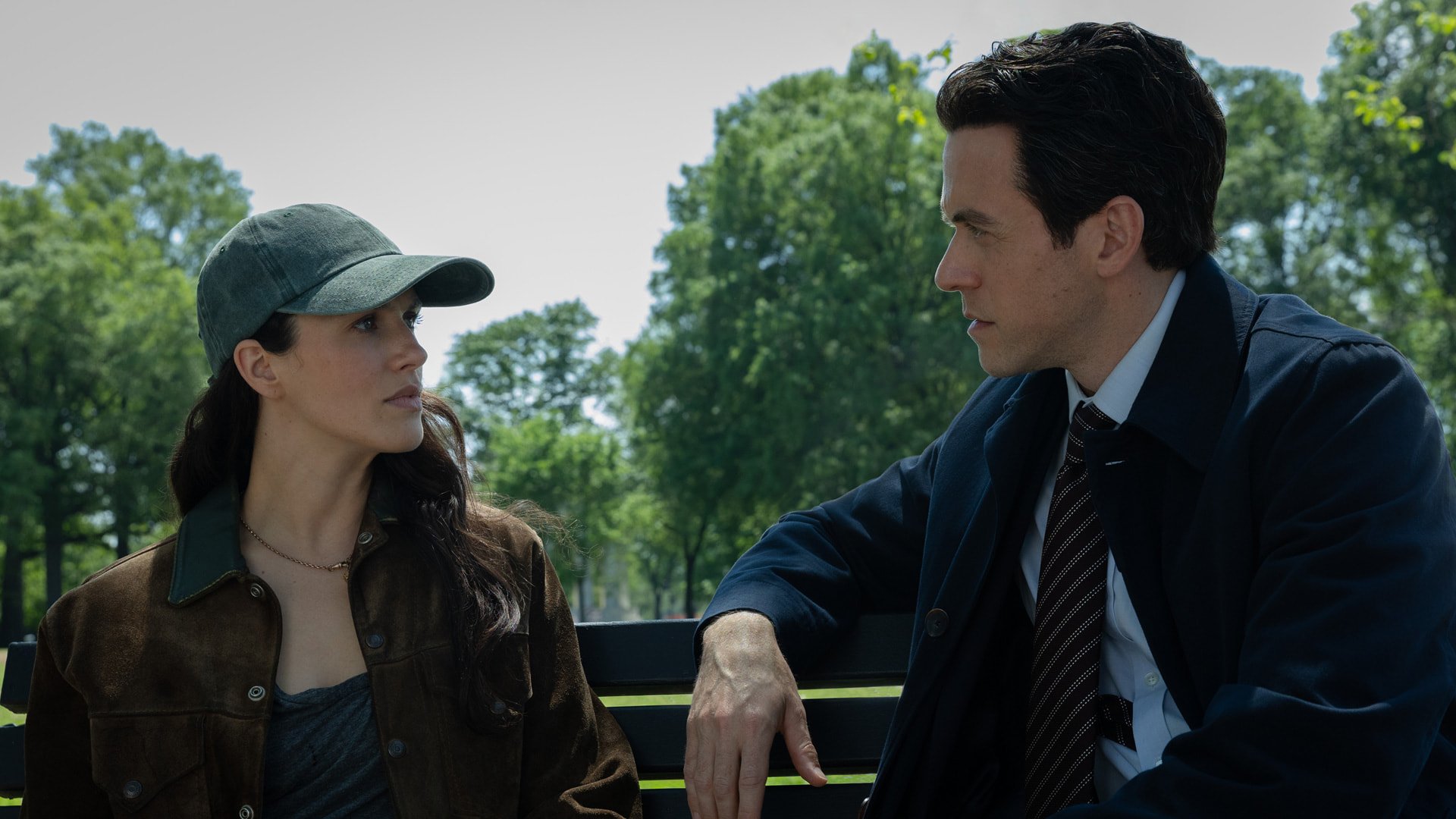
Jessica Brown Findlay and Ashley Zukerman in "Silo," now streaming on Apple TV.
In the present timeline, Juliette wakes into a new role she does not fully understand. She is mayor of Silo 18, but her memory is fractured, her position is unstable and almost everyone around her seems to be hiding something. It is a brilliant reset for Ferguson, who has always made Juliette feel less like a chosen one than a survivor whose intelligence is rooted in vigilance. This season asks her to play the character with part of herself missing, and Ferguson never lets the amnesia become a gimmick. Juliette is disoriented, but not softened. She may not recognize every detail of her own life, but she still knows when a room is dangerous. She still knows when power is lying.
Ferguson’s performance remains the show’s anchor. There is nothing flashy about her work here, which is exactly why it holds. Juliette listens like an engineer, reacts like someone who has survived too much and moves through every scene with the awareness of a person constantly calculating what can break. Even dressed in the strange glamour of political office, she remains recognizably the same woman who understands systems because she has spent her life repairing them. The clothes change. The title changes. The paranoia does not.

Rebecca Ferguson and Common in "Silo," now streaming on Apple TV.
The season’s great expansion comes through the earlier timeline, where Jessica Henwick and Ashley Zukerman enter as figures whose investigation pulls ‘Silo’ away from pure dystopian survival and into political thriller territory. Their story gradually exposes the fear, arrogance and institutional decisions that make the silos possible, and the show benefits enormously from allowing that history to unfold in parallel with Juliette’s present. Henwick brings alertness and moral urgency, while Zukerman gives his congressman a compelling mix of ambition, intelligence and dawning horror. Together, they help the series explain itself without reducing itself to exposition.
That is the key to why Season 3 works. It answers questions, but rarely in the form of a clean explanation dropped into the audience’s lap. The past does not function as a simple instruction manual for the present. It is a warning. The more the show reveals about how humanity ended up underground, the more chilling Silo 18 becomes. The rituals, lies and surveillance that once felt like strange inherited customs begin to look like the natural end point of decisions made by people who believed fear could be organized into safety.
Inside Silo 18, the aftermath of rebellion has not produced freedom so much as a different kind of uncertainty. Authority has shifted, but systems remain. People who fought oppression now have to decide what kind of order they are willing to enforce. Politicians, revolutionaries, law enforcement and ordinary residents all discover that power and principle are not the same thing. That idea gives the season its strongest dramatic throughline. ‘Silo’ is not only asking who controls the truth. It is asking what people do once they finally have access to part of it.
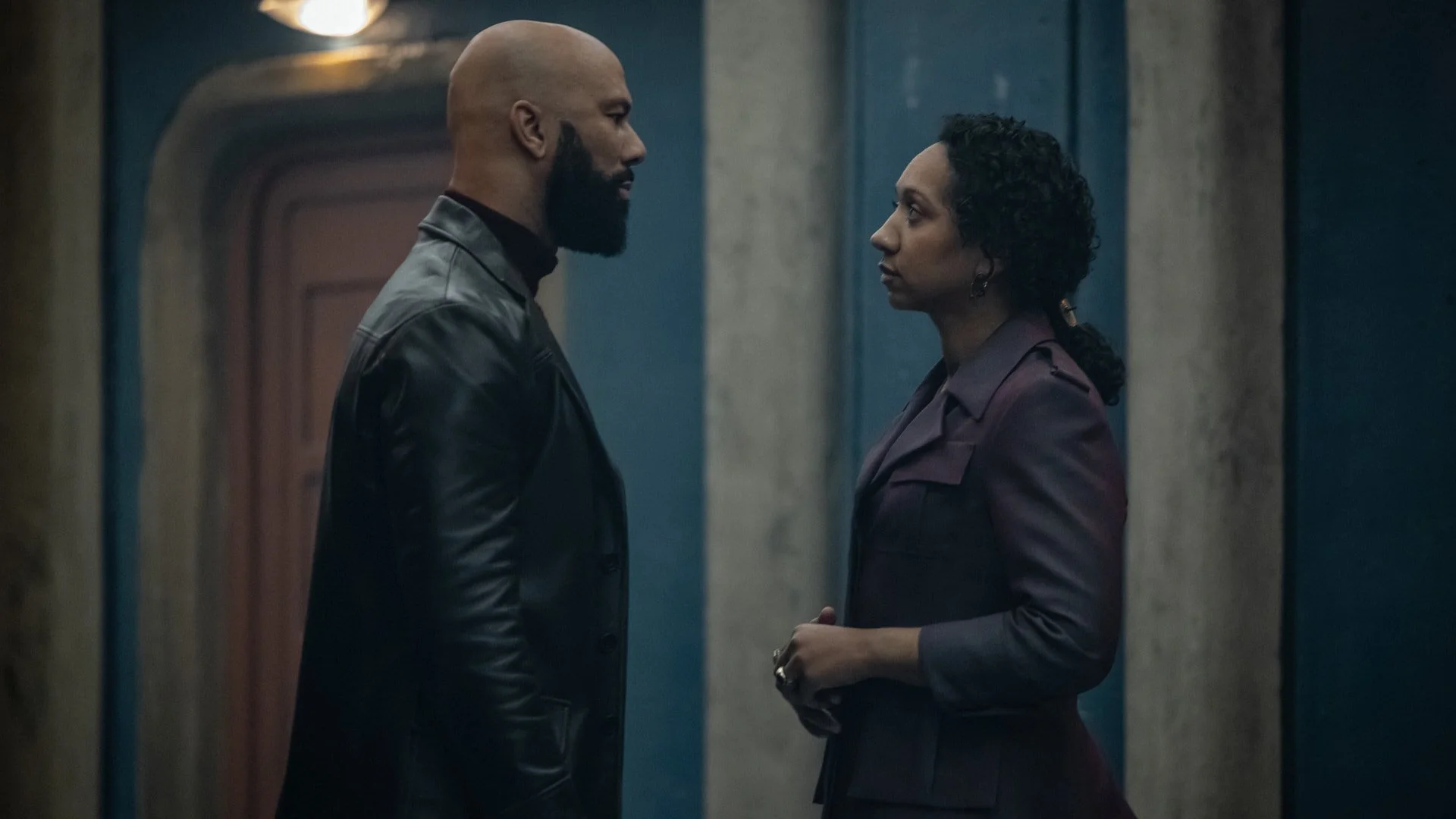
The show’s supporting ensemble continues to make the silo feel like a lived-in civilization rather than a puzzle box populated by plot functions. Common and Tim Robbins remain essential to the texture of institutional power, while Harriet Walter, Chinaza Uche, Avi Nash, Rick Gomez, Remmie Milner and Alexandria Riley help preserve the uneasy social fabric around Juliette’s rise. The series has always been good at showing how fear travels through communities, and Season 3 sharpens that instinct. A rumor can feel as dangerous as a weapon. A locked file can carry the force of a death sentence.
Visually, the season benefits from contrast. The silo itself remains one of television’s most oppressive environments, all vertical exhaustion, rusted machinery, dim corridors and faces lit by artificial light. But the “Before Times” material gives the series a new visual language, and the presence of open space becomes its own dramatic device. Sunlight in ‘Silo’ does not read as comfort. It reads as evidence. It reminds us that the world before the walls was not necessarily freer, only more capable of pretending it was.
POPULAR ON THE CINEMA GROUP
The introduction of the Algorithm gives the season another layer of dread, and the less said about its full role, the better. What matters is how naturally it fits into the show’s existing concerns. ‘Silo’ has always been about information control, but Season 3 pushes that idea further, into questions of memory, prediction, governance and the terrifying comfort of letting a system decide what people are allowed to know. In a lesser series, that material could become bluntly topical. Here, it feels like the logical evolution of the show’s architecture.
There are still slow patches. ‘Silo’ remains a patient show, and sometimes patience shades into inertia. Conversations can unfold in elliptical half-truths, with characters speaking around what they mean because secrecy has become a shared language. The density is part of the appeal, but it can also make the series feel emotionally sealed off. Even in its expanded form, the show is not especially generous with warmth. Its humanity comes through persistence, not softness.
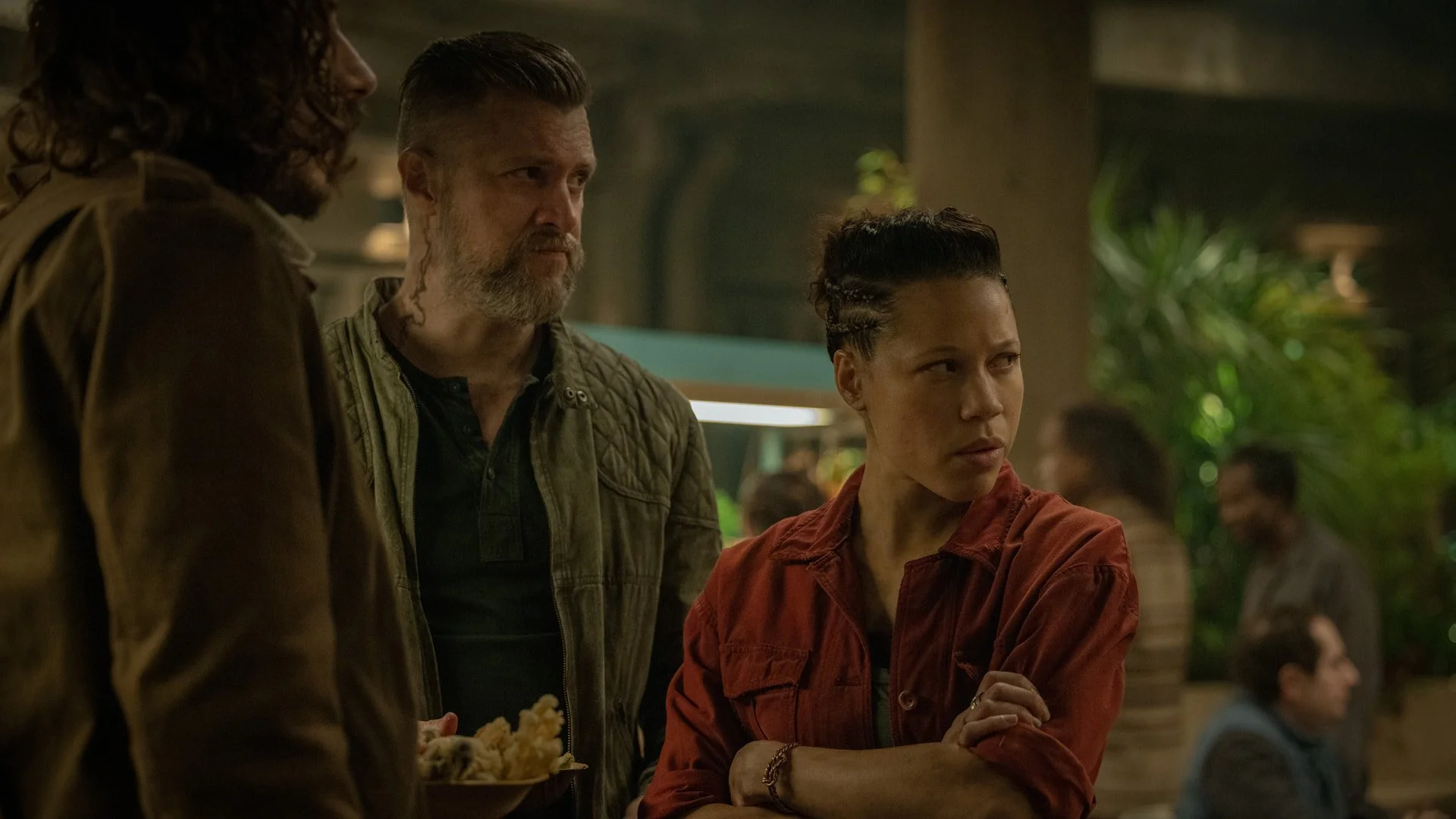
Shane McRae and Remmie Milner in "Silo," now streaming on Apple TV.
Yet that severity is also what makes the rewards land. Season 3 does not chase easy catharsis. It builds pressure carefully, trusts viewers to hold multiple timelines and moral questions in their heads, and allows the scale of the story to grow without turning everything into empty spectacle. What began as a murder mystery inside a bunker has become a sweeping study of how civilizations justify control, how history is manipulated and how survival can become indistinguishable from imprisonment.
By the end of the season, ‘Silo’ feels less like a show running out of secrets than one finally revealing the size of its design. The answers are satisfying because they do not close the story down. They open new anxieties. They make earlier seasons richer in retrospect. They make the final stretch feel not merely necessary, but urgent.
Season 3 is not designed to convert the skeptical. It is too slow, too dense and too committed to its own icy rhythms for that. But for those who have stayed with Juliette through the stairwells, the rebellions, the lies and the world beyond the camera feed, this is ‘Silo’ operating at its highest level yet. Smart, controlled, unsettling and handsomely built, it proves that mystery television can still become more compelling after it starts telling the truth.
RATING: ★★★★☆
That’s a Wrap
|
Silo Season 3
|
That’s a Wrap | Silo Season 3 |
“‘Silo’ Season 3 is the Apple TV sci-fi drama’s strongest season yet, expanding the mystery beyond Silo 18 while Rebecca Ferguson keeps the story grounded in fear, memory and resistance.”
CREDITS
Release Date: Friday, July 3
Episodes Reviewed: 10 of 10
Cast: Rebecca Ferguson, Common, Tim Robbins, Harriet Walter, Chinaza Uche, Avi Nash, Rick Gomez, Remmie Milner, Alexandria Riley, Clare Perkins, Steve Zahn, Jessica Henwick, Ashley Zukerman
Created by: Graham Yost
Based on: Hugh Howey’s ‘Silo’ trilogy
Streaming on: Apple TV
Watch The Trailer Below: