Tony Gilroy’s first feature in 14 years soars when the music plays, even as its structure keeps stalling.
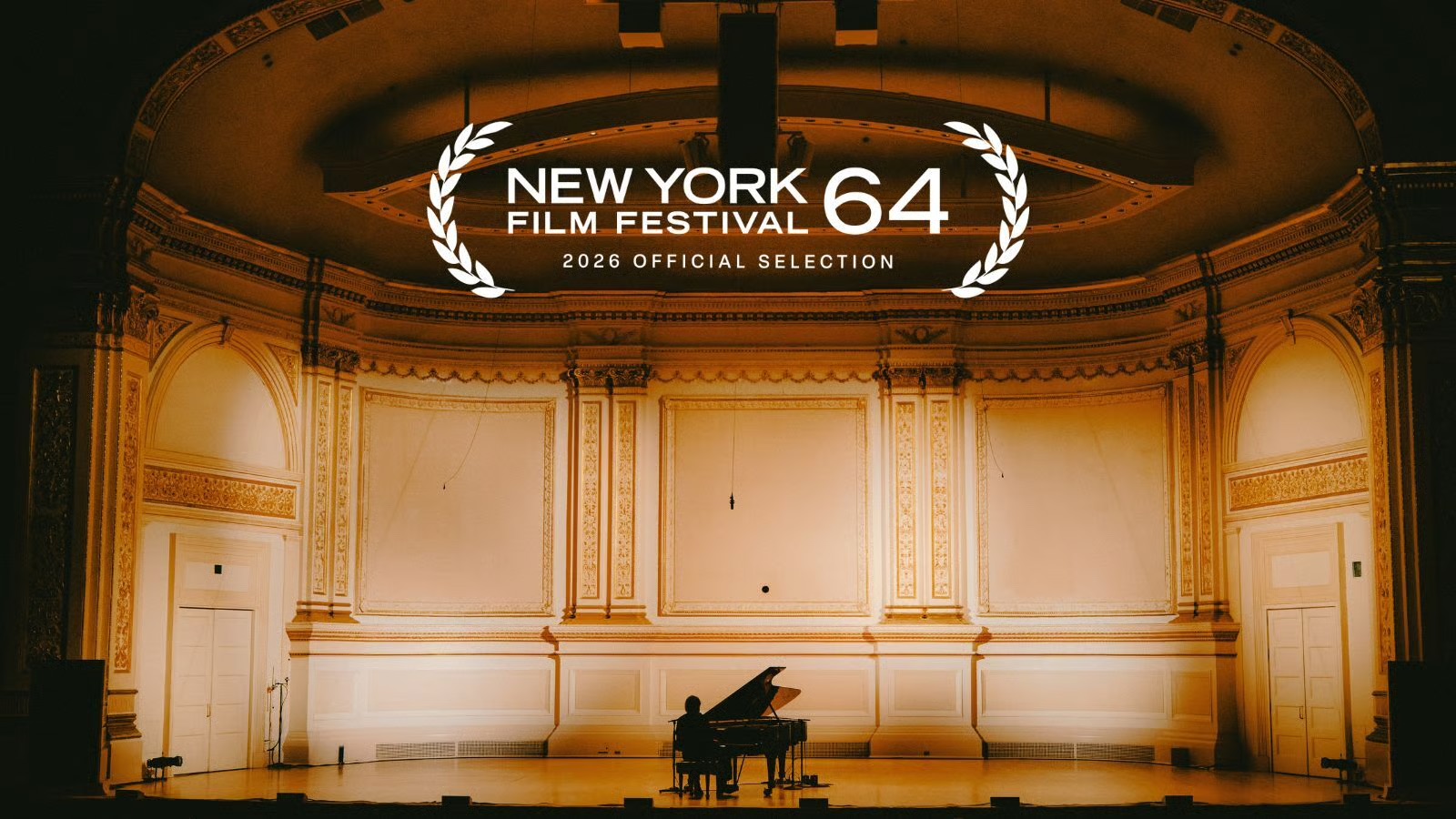
Behemoth! is a movie about music that occasionally becomes music, and when it does, it soars. That is the heart of this Behemoth! review. Tony Gilroy‘s first feature in 14 years, which premiered as the Centerpiece of the New York Film Festival on Friday and opens from Searchlight Pictures on December 4, gives Pedro Pascal one of his most tender roles and stages some of the most thrilling scenes of orchestral recording ever put on film. Around those scenes is a character study that keeps stopping to catch its breath.
Gilroy’s absence from features has hardly been a quiet one. The writer of the Bourne films and the writer-director of Michael Clayton, which earned him Oscar nominations for both screenplay and direction, spent the last several years building Andor into the most acclaimed corner of the Star Wars universe. Behemoth! is about as far from a galaxy far, far away as he could get. It is small, personal and in no hurry at all.
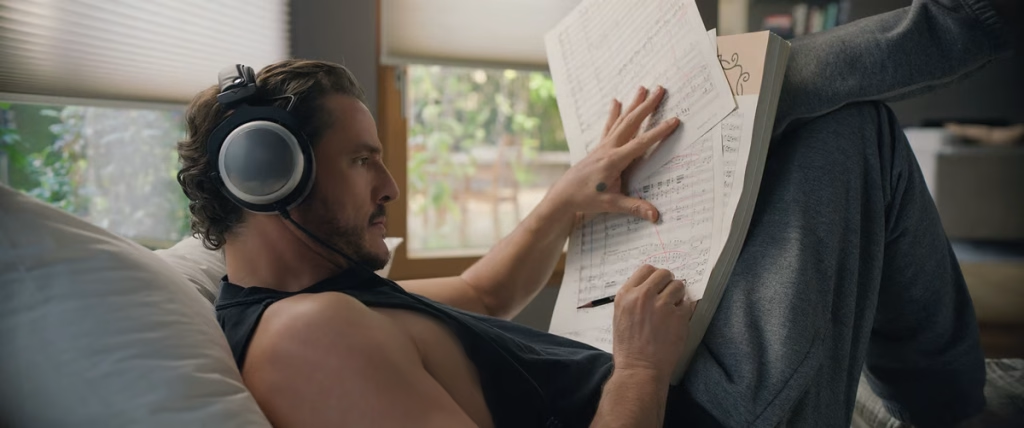
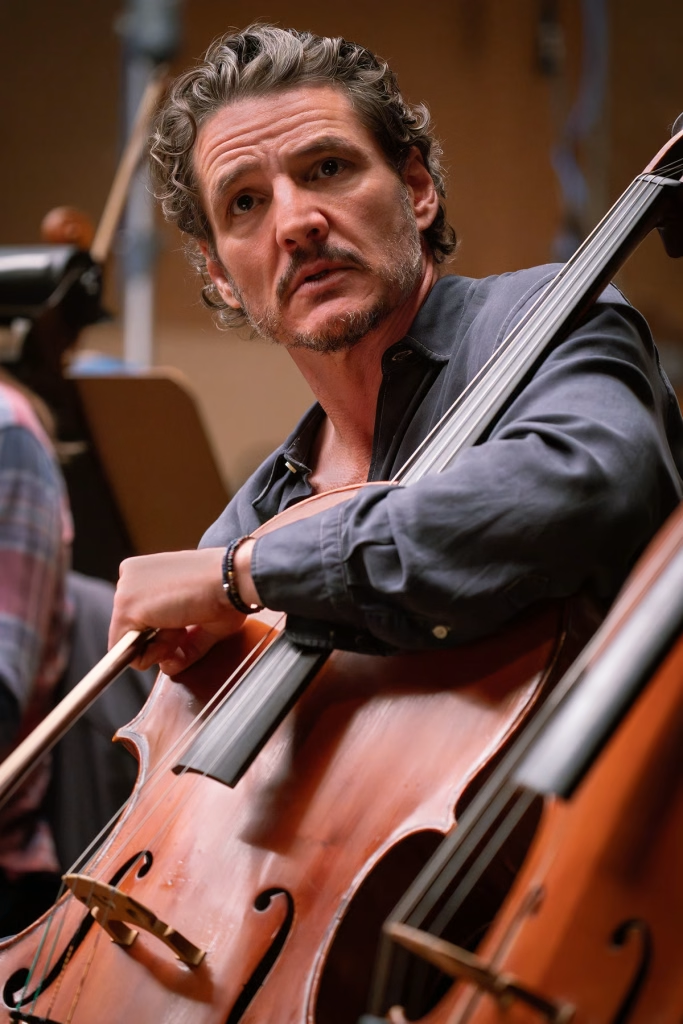
Pascal plays Alex Serian, a gifted cellist who has spent his life in the shadow of his family. His father, Peter (Hank Azaria, seen only on video), was a celebrated composer of film and television themes. His mother, Ginnie (JoBeth Williams, nearly unrecognizable), was a renowned harpist. We see a home video of Alex at 6, playing Bach on Johnny Carson’s show, and the film makes it clear that his parents’ devotion to their sons’ talent was mostly a way to polish their own legend. Even the family’s death stories are musical. Alex’s grandfather, a trumpeter, died of a stroke moments after hitting a high C on the very MGM soundstage where Alex will one day work.
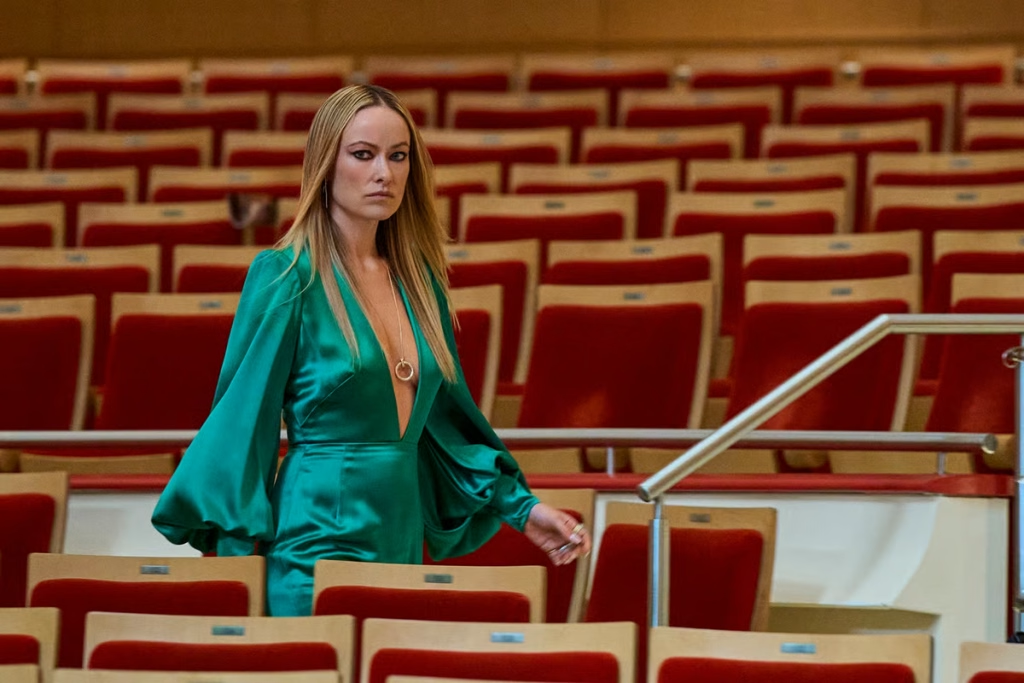
After 20 years playing in elite orchestras in Boston, Dallas and Chicago, Alex comes home to Los Angeles. Partly he is fleeing Carol Spedding (Olivia Wilde), a wealthy, married patron of the arts who once gave $6 million to the Chicago Symphony and does not take it well when he ends their affair.
Partly he is looking for steady work in the studio orchestras that record Hollywood’s film scores. He moves in with his mother, whose memory is slipping away, and reconnects with his brother Andy (Will Arnett), a former violist who left classical music for a briefly successful 1990s rock band and now hosts a podcast about their late father’s TV themes.

The film comes alive the moment Alex walks onto a scoring stage. Gilroy shoots these sequences, including sessions at the Barbra Streisand Scoring Stage at Sony, with the reverence of a man who has spent his career listening to his own movies take shape in rooms like these. Dozens of musicians read in perfect unison.
Conductors lean into their podiums. A cue goes from dark suspense to swooning romance in the space of a single take. It is a world most moviegoers have never seen, and Gilroy makes it feel like a cathedral.
The music itself is the film’s true star. It was written by a group of nine composers billed as the Behemoth! Collective, a genuine murderers’ row of film scoring: Michael Abels, Emily Bear, Lukas Frank, Michael Giacchino, James Newton Howard, Henry Jackman, Nami Melumad, Brandon Roberts and Alan Silvestri. Their work spans everything from thriller cues and action fanfare to an art-rock song, a requiem, a cartoon theme, a harp concerto and cello etudes. In Dolby Atmos, it is an overwhelming experience. I would happily watch an entire film that simply followed these musicians from session to session.
Pascal is a lovely fit for Alex. He has become one of the most beloved screen presences of his generation by projecting warmth, and here he turns that warmth inward. Alex is a quiet, watchful man who has spent his life accompanying louder people, and Pascal plays him with a soulful restraint that suggests whole oceans under the surface. When he plays, you believe him.
The trouble is that the script does not always give Pascal enough to play. Alex is something of a bystander in his own life, which makes sense for a man raised by narcissists but makes it harder for the film to build momentum around him. Gilroy tells the story in a restless, jumping timeline, cutting between Alex’s present in Los Angeles and two decades of past relationships and orchestra jobs. The structure is elegant on paper, but in practice it keeps interrupting the drama just as it starts to gather force.
The women in Alex’s past suffer most from those jumps. Wilde attacks the role of Carol with gusto, and she is clearly having fun playing a woman whose obsession curdles into something close to a thriller villain. But the character is drawn so broadly that it is hard to see her as a person rather than a plot device.
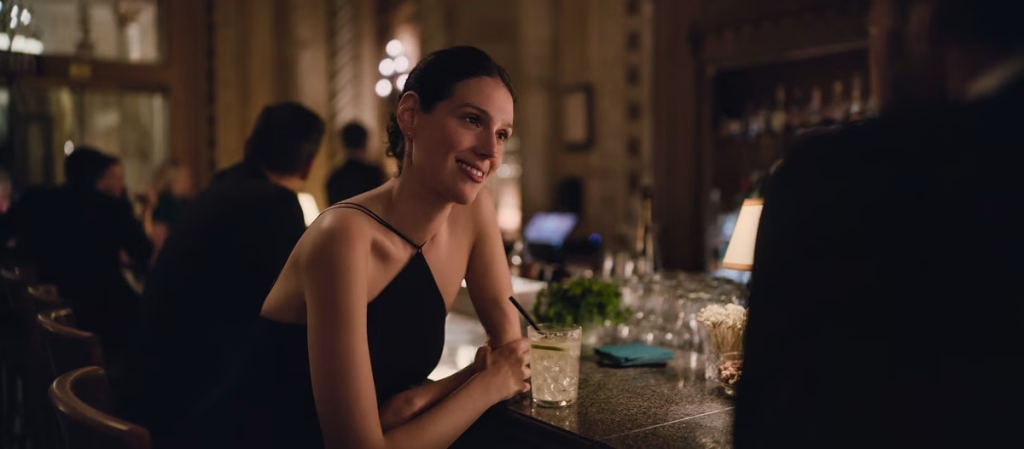
Eva Victor, so memorable in Sorry, Baby, brings a bright, vivid energy to Nadia, the brilliant violinist Alex seems to have truly loved. Then the film skips ahead, and Nadia, who left Alex to marry a billionaire (Matthew Lillard), is suddenly gone. We see her funeral before we have had much chance to know her.
It is at that funeral that Behemoth! finds its real story. Nadia’s daughter, Viviana, plays an original piano composition of startling maturity, and Alex begins to wonder whether the girl might be his. The question of his paternity gives the film a jolt of purpose, and it unlocks the most affecting side of Pascal’s performance.
Alex’s protective, paternal instincts first emerge with Bronte (Kaya Ralls), a gifted young cellist he coaches for an audition with the San Francisco Symphony. Ralls, a professional musician in her first acting role, is completely natural on screen.
Then, as Alex follows Viviana’s rise as a composer and musician, the film finally finds its emotional center. Alexa Swinton is terrific as the teenage Viviana, and the late stretch in which she is hired to take over the score of a major film from a temperamental European composer (Thomas Kretschmann, deliciously playing a male Lydia Tar) is the best thing in the movie. It brings together every thread Gilroy has been weaving, family, legacy, talent and the music itself, and it is genuinely moving.
That sequence also highlights what Behemoth! could have been. For a film so in love with film music, it rarely shows us how a score meets the image, how a cue is timed to a cut or a swell lands on a close-up. The movie gestures at a celebration of the craft without fully embracing it.
Damian Garcia, who shot Andor for Gilroy, gives the film a warm, burnished look, and the Los Angeles of the scoring stages, cramped apartments and sun-faded houses feels lived in. At 2 hours and 7 minutes, the film is in no rush, and it will test viewers who prefer their dramas tightly wound.
But there is something admirable about a filmmaker coming off one of the biggest franchises in the world and choosing to make a quiet, sincere movie about a cellist and the music that shaped him. Behemoth! is uneven, and its structure works against it. It is also sensitive, beautifully performed and, in its best moments, transporting. Pascal and that remarkable music are reason enough to see it, preferably on the biggest screen and the loudest sound system you can find.
RATING: ★★★☆☆
That’s a Wrap | Behemoth!
“A sensitive, beautifully performed character study, with some of the most thrilling scenes of orchestral recording ever put on film.”
Jonathan P. Moustakas
Watch The Trailer Below:
CREDITS
Director-Screenwriter: Tony Gilroy
Cast: Pedro Pascal, Olivia Wilde, Eva Victor, Alexa Swinton, Kaya Ralls, Erik Griffin, JoBeth Williams, Margarita Levieva, Hank Azaria, Will Arnett
Music: The Behemoth! Collective (Michael Abels, Emily Bear, Lukas Frank, Michael Giacchino, James Newton Howard, Henry Jackman, Nami Melumad, Brandon Roberts, Alan Silvestri)
Cinematography: Damian Garcia
Distributor: Searchlight Pictures
Runtime: 2 hours 7 minutes