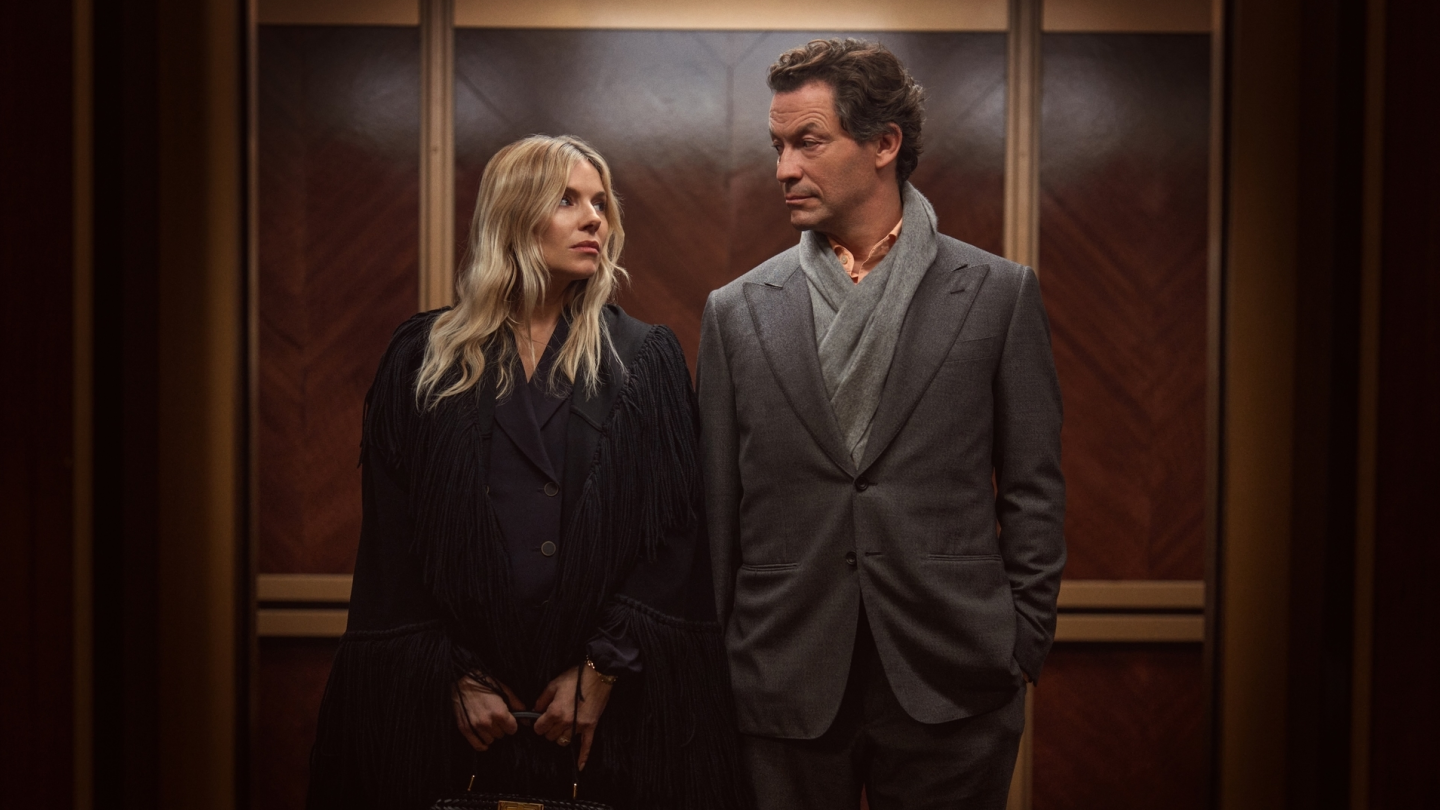
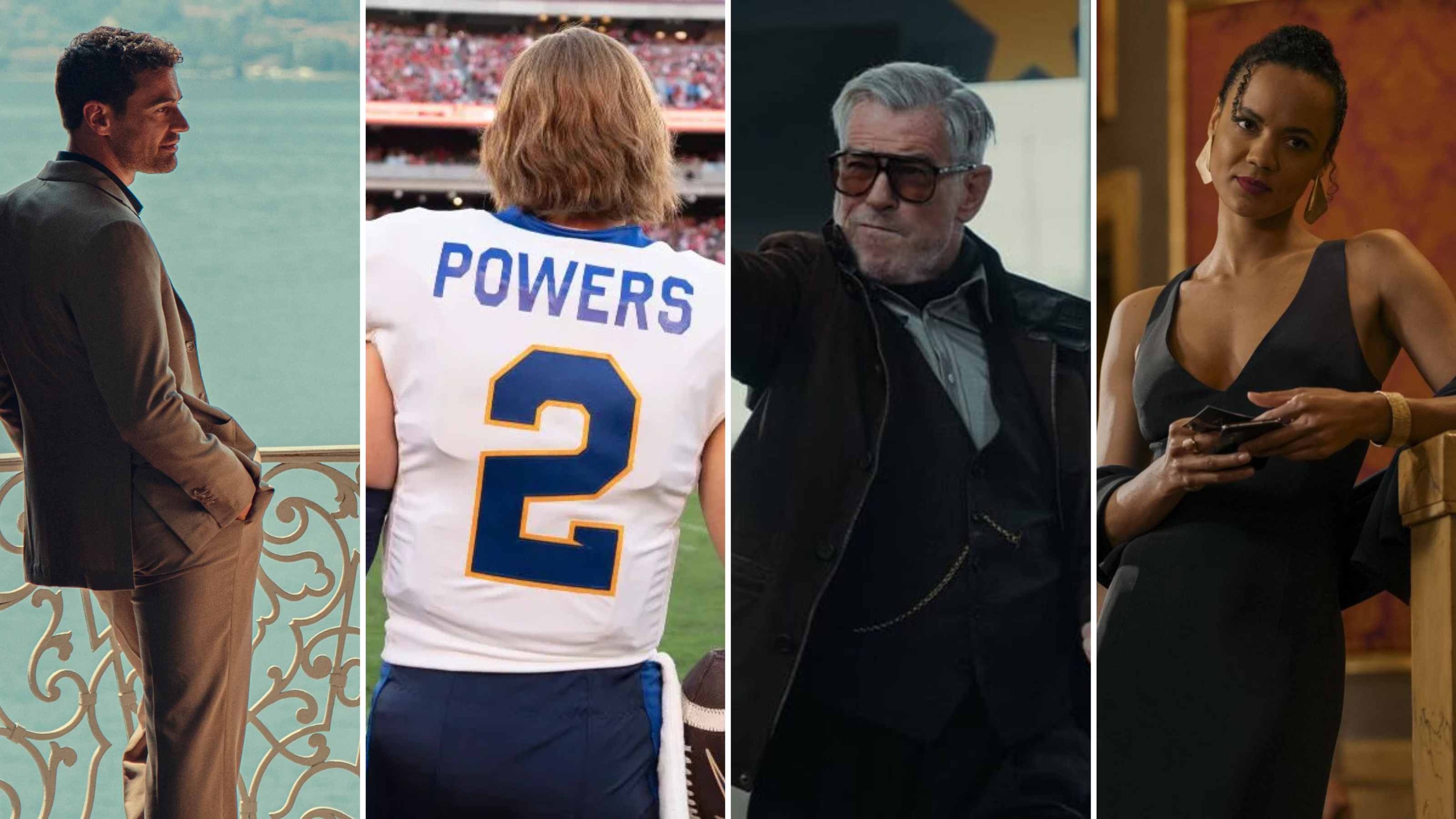
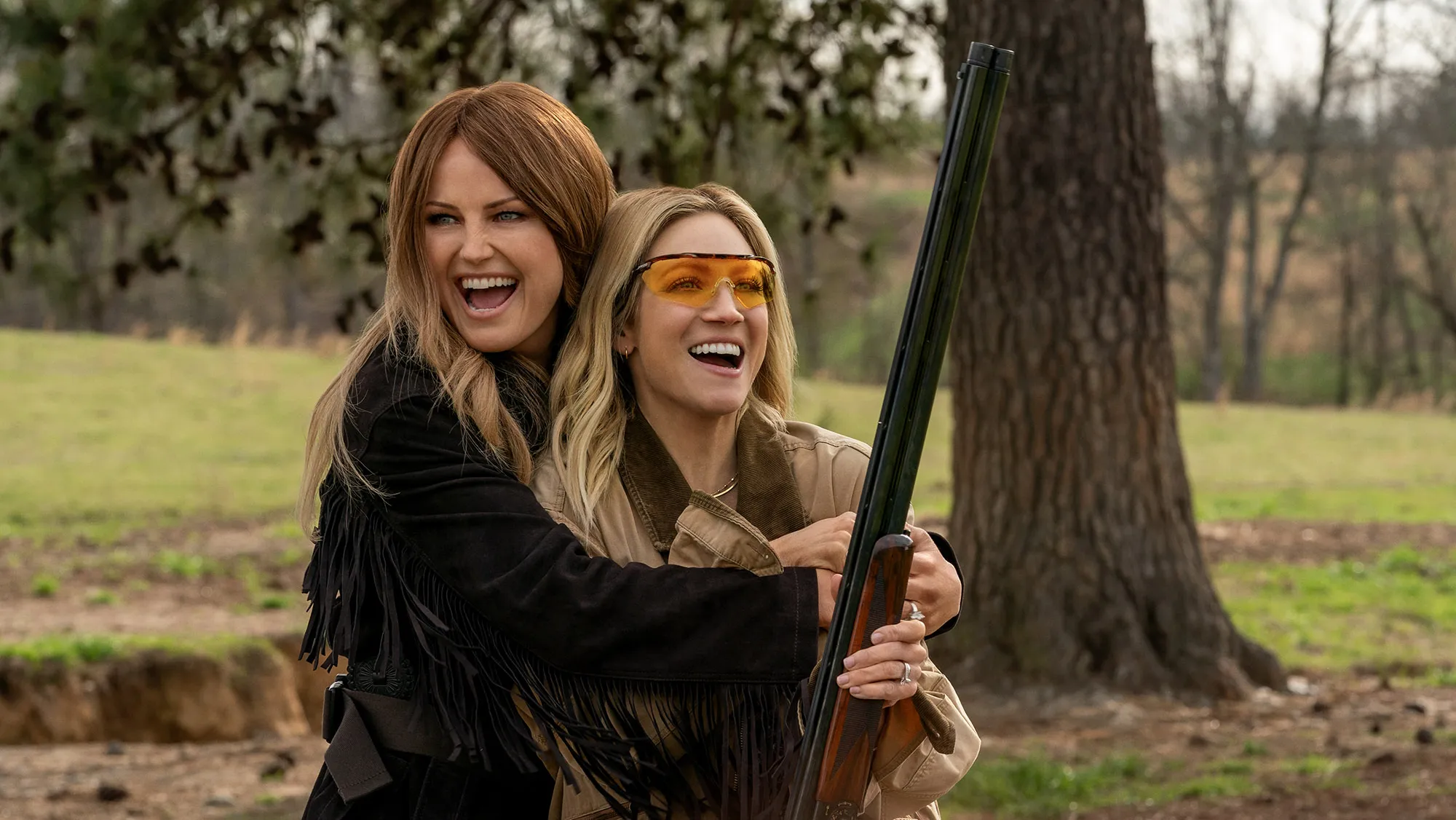
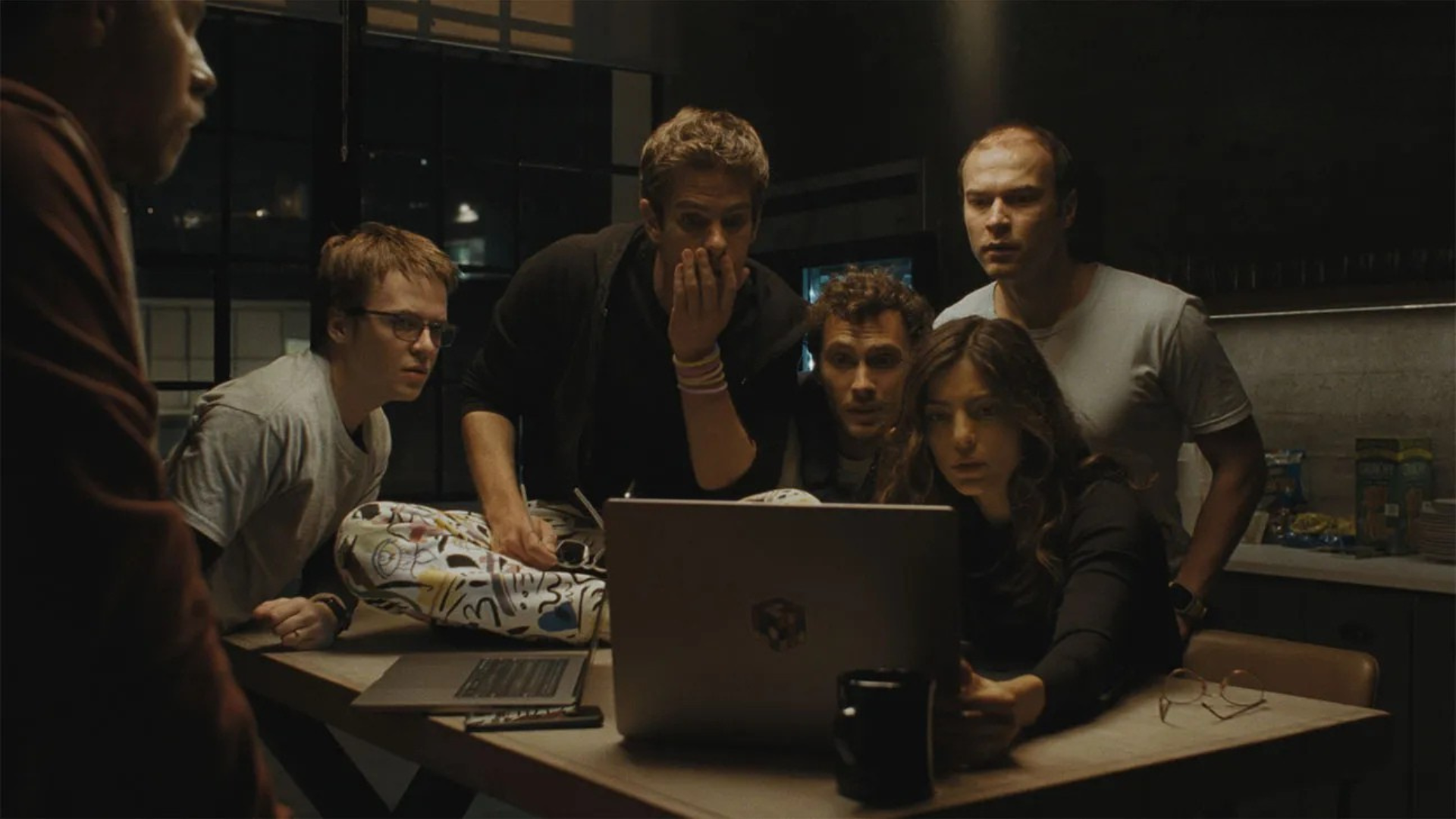
Sorkin hosted the first public screening for ‘The Social Reckoning’ in Silicon Valley alongside journalist Kara Swisher, ahead of its October release.
There’s a particular kind of confidence in premiering a film about Facebook’s most closely guarded internal failures a short drive from where those failures happened. Aaron Sorkin did exactly that this week, unveiling The Social Reckoning at its first public screening in Silicon Valley, hosted alongside journalist Kara Swisher, one of the sharpest and longest-tenured chroniclers of the tech industry’s power structures.
The audience included current and former Facebook employees. The venue, the Cinemark Century Mountain View 16, sits less than ten miles from Meta’s Menlo Park headquarters.
Scroll through photos from the Silicon Valley screening below.

Photo Casey Flaniganimagespace for Sony Pictures 
Photo Casey Flaniganimagespace for Sony Pictures 
Photo Casey Flaniganimagespace for Sony Pictures 
Photo Casey Flaniganimagespace for Sony Pictures 
Photo Casey Flaniganimagespace for Sony Pictures 
Photo Casey Flaniganimagespace for Sony Pictures 
Photo Casey Flaniganimagespace for Sony Pictures 
Photo Casey Flaniganimagespace for Sony Pictures 
Photo Casey Flaniganimagespace for Sony Pictures 
Photo Casey Flaniganimagespace for Sony Pictures 
Photo Casey Flaniganimagespace for Sony Pictures 
Photo Casey Flaniganimagespace for Sony Pictures 
Photo Casey Flaniganimagespace for Sony Pictures 
Photo Casey Flaniganimagespace for Sony Pictures 
Photo Casey Flaniganimagespace for Sony Pictures 
Photo Casey Flaniganimagespace for Sony Pictures
A Companion Piece, Sixteen Years Later
The film functions as a companion to 2010’s The Social Network, the film that established the mythology of Facebook’s founding and won Sorkin an Academy Award for his screenplay. This one picks up the story at the other end, after the platform became the thing it became.
Inspired by true events, it follows a young Facebook engineer who enlists a Wall Street Journal reporter to help her expose what the company knew internally about the harm its products were causing.
The connective tissue between the two films is not only thematic. Jeff Cronenweth, who shot The Social Network for David Fincher and earned an Oscar nomination for it, returns as cinematographer. Alexandre Desplat scores.
Who Plays Who?
Mikey Madison plays Frances Haugen

Haugen joined Facebook as a product manager on the civic integrity team, the internal group tasked with limiting the platform’s capacity to distort elections and amplify harm. When the company dissolved that team, she copied tens of thousands of pages of internal research and walked out with them, went public on “60 Minutes,” and testified before the Senate in October 2021.
Madison, who won the Academy Award for Best Actress for Anora, is the film’s center of gravity, and the casting bet is that she can carry a protagonist whose defining act is quiet, technical, and performed alone at a laptop.
Jeremy Allen White plays Jeff Horwitz

Horwitz is the Wall Street Journal reporter Haugen brought the documents to. The Facebook Files series he built out of them ran in September 2021 and triggered congressional hearings within weeks, and he later expanded the reporting into the book Broken Code.
White, four seasons deep into The Bear and coming off his turn as Bruce Springsteen in Deliver Me From Nowhere, carries the half of the story that happens in a newsroom rather than a boardroom.
Jeremy Strong plays Mark Zuckerberg

It is a piece of casting that carries its own weight given Strong’s recent run of playing men shaped and warped by proximity to enormous power, from Kendall Roy on Succession to his Oscar-nominated Roy Cohn in The Apprentice. He is also stepping directly into the role that made Jesse Eisenberg an Oscar nominee sixteen years ago, with the real Zuckerberg now a considerably harder man to caricature than he was at 26.
Bill Burr plays Charlie

Burr has spent the last several years building a second career in dramatic supporting work alongside the stand-up, from The King of Staten Island to The Mandalorian. Sorkin’s dialogue rewards performers who can land a line without softening it first, which is more or less Burr’s entire operating principle.
Wunmi Mosaku plays Raya

Mosaku arrives off Sinners, Ryan Coogler’s 2025 box office phenomenon, with an Emmy nomination for Lovecraft Country and a BAFTA already behind her. She has built a career on characters who see the danger in a room several beats before anyone else is willing to name it, which is a useful instinct in a story about people arguing over what their own research plainly says.
Billy Magnussen plays Teddy

Magnussen has made a specialty of characters whose confidence comfortably outpaces their judgment, across Game Night, No Time to Die, and Road House. It is useful shorthand inside a company that had a great deal of both, and Sorkin has never been shy about writing men who are certain and wrong at the same time.
Betty Gilpin Joins The Ensemble

Gilpin earned back-to-back Emmy nominations for GLOW and has since built one of the more unpredictable runs in television and film, from The Hunt to Three Women to Mrs. Davis. Her character has not been detailed publicly ahead of the release.
One name is conspicuously absent. Jesse Eisenberg, Oscar-nominated for playing Zuckerberg in the first film, was approached about returning and declined, having soured on the association in the years since. Strong takes the part instead, and the recasting is one of the few places where the two films deliberately refuse to rhyme.
Sorkin wrote and directed, marking his return to the material that produced one of the defining screenplays of the last two decades. Sony releases the film exclusively in theaters on October 9.
What the First Screening Tells Us
Staging the debut in Silicon Valley, with Swisher in the room, reads as a deliberate statement about who the film is actually addressing. It puts the movie in front of the audience most equipped to scrutinize whether it gets the details right.
The choice of theater sharpens the point considerably. In October 2010, Mark Zuckerberg bought out that same Mountain View multiplex and took his friends and employees to see The Social Network, the film he has spent the fifteen years since calling inaccurate. Sorkin brought the follow-up to the same address.
He was direct about the disagreement onstage.
“I was just so surprised that Mark, or the people around Mark, are pretending that they don’t know the difference between an unpopular opinion and a lie,” Sorkin said.
Asked whose life he would want to dramatize next, he gave an answer that quietly undercut his own suggestion that he is finished with this subject.
“I still find Mark kind of intriguing,” he said.
Sorkin also pressed the room on artificial intelligence, arguing the country is walking into the same regulatory vacuum that let social platforms scale unchecked for two decades. “Congress has to pass laws,” he said.
Where the Market Stands

The industry has already started pricing how it lands with critics, and the shape of the forecast is telling. Confidence that the film clears a fresh rating remains high. Expectations at the top end, though, have cooled noticeably since the first screening: the odds of finishing in the upper tier dropped sharply in a single day, and the highest thresholds have thinned out considerably.
Taken together, the market appears to be pricing The Social Reckoning as a solid, well-made film rather than a repeat of the critical phenomenon its predecessor became. That gap between “good” and “generational” is the whole trade, and it is exactly the sort of question a first screening reopens rather than settles.
You can see where the Rotten Tomatoes market for The Social Reckoning is trading right now onKalshi.
SPONSORED CONTENT DISCLOSURE
This article contains sponsored content. The Cinema Group has a paid partnership with Kalshi. All editorial content, opinions, and reporting are our own and were not reviewed or approved by Kalshi prior to publication. Prediction markets involve risk. Trading is available to eligible users only. Please trade responsibly.