‘Earth, Wind & Fire’ Review: Questlove Delivers a Joyful, Necessary Tribute to One of Music’s Most Underrated Legends
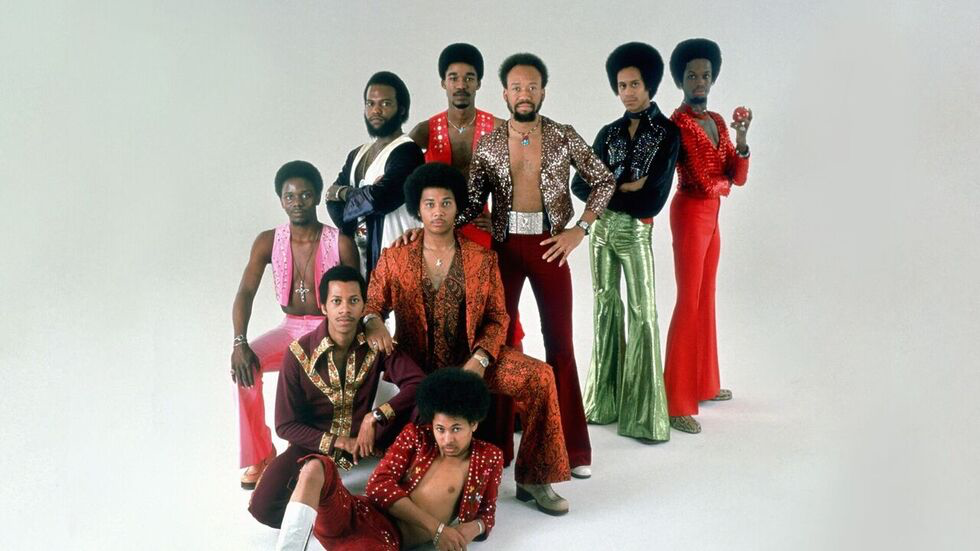
Courtesy of Tribeca Festival
Questlove’s electrifying documentary isn’t just a celebration of Earth, Wind & Fire’s music—it’s a passionate correction to history, finally giving Maurice White and his band the recognition they’ve always deserved.
The greatest music documentaries don’t simply remind audiences why an artist mattered. They force us to reconsider whether we’ve fully understood their importance in the first place.
That’s exactly what Questlove accomplishes with Earth, Wind & Fire (To Be Celestial vs That’s the Weight of the World), a vibrant, emotionally rich documentary that opens the 2026 Tribeca Festival on an appropriately euphoric note. Like his Oscar-winning Summer of Soul and the excellent Sly Lives! (aka the Burden of Black Genius) before it, the film is rooted in deep admiration for its subject. Yet admiration alone isn’t what makes Questlove such an effective filmmaker. Plenty of music documentaries are built around affection. What separates Questlove is his ability to translate that affection into understanding.
He doesn’t just tell viewers why the music was great.
He explains why it felt great.
That’s an important distinction when discussing Earth, Wind & Fire, a group whose songs have become so deeply woven into popular culture that it’s easy to take them for granted. Nearly everyone knows “September.” Most people recognize “Shining Star,” “Let’s Groove,” or “Boogie Wonderland” within seconds. Their music fills weddings, parties, sporting events, and family reunions. The songs have become so ubiquitous that they risk being reduced to nostalgia.
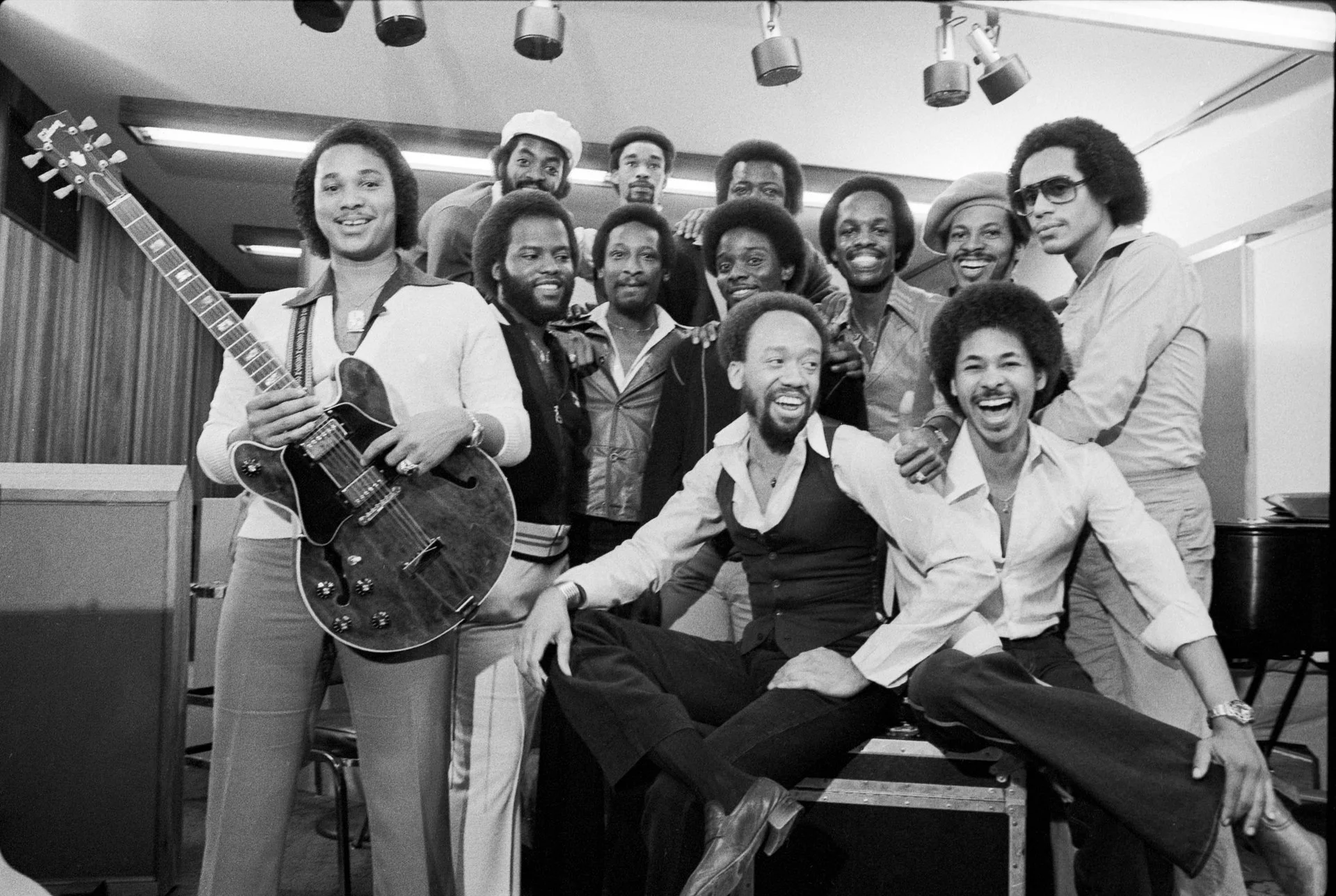
Photograph by Bruce W. Talamon/HBO
Questlove’s film pushes back against that reduction at every turn.
What emerges is not merely the story of a successful band but the story of one of the most ambitious musical visionaries of the twentieth century. Maurice White wasn’t simply the leader of Earth, Wind & Fire. He was an architect. A builder. A synthesizer of ideas. He combined jazz, funk, soul, pop, spirituality, Afro-futurism, classical arrangements, choreography, visual spectacle, and philosophical idealism into a singular artistic vision that remains remarkably influential decades later.
The documentary argues something that feels surprisingly radical once stated aloud: Maurice White belongs in conversations that too often exclude him.
When music history discusses transformative Black artists, names like James Brown, Stevie Wonder, Marvin Gaye, Prince, Michael Jackson, George Clinton, and Sly Stone understandably dominate the conversation. White’s absence from those discussions has always been puzzling given the scale of his achievements. Earth, Wind & Fire sold more than 100 million records, helped define the sound of an era, and influenced virtually every major pop, R&B, funk, and soul artist who followed.
Questlove understands that omission.
More importantly, he understands why it happened.
Part of White’s genius was his willingness to place the collective ahead of the individual. While many iconic performers built careers around personal mythology, White used Earth, Wind & Fire as a vessel for bigger ideas. The band’s identity was communal. Their message was universal. Their music celebrated togetherness, spirituality, joy, and possibility.
Ironically, that generosity may have cost White some of the individual recognition he deserved.
The film traces White’s journey from Memphis to Chicago to Los Angeles with remarkable energy. Through archival footage, interviews, photographs, performances, and Questlove’s carefully assembled musical analysis, we watch White evolve from a gifted young drummer into one of popular music’s most innovative creators. His time at Chess Records, his work with the Ramsey Lewis Trio, and his early fascination with composition all become stepping stones toward something larger.
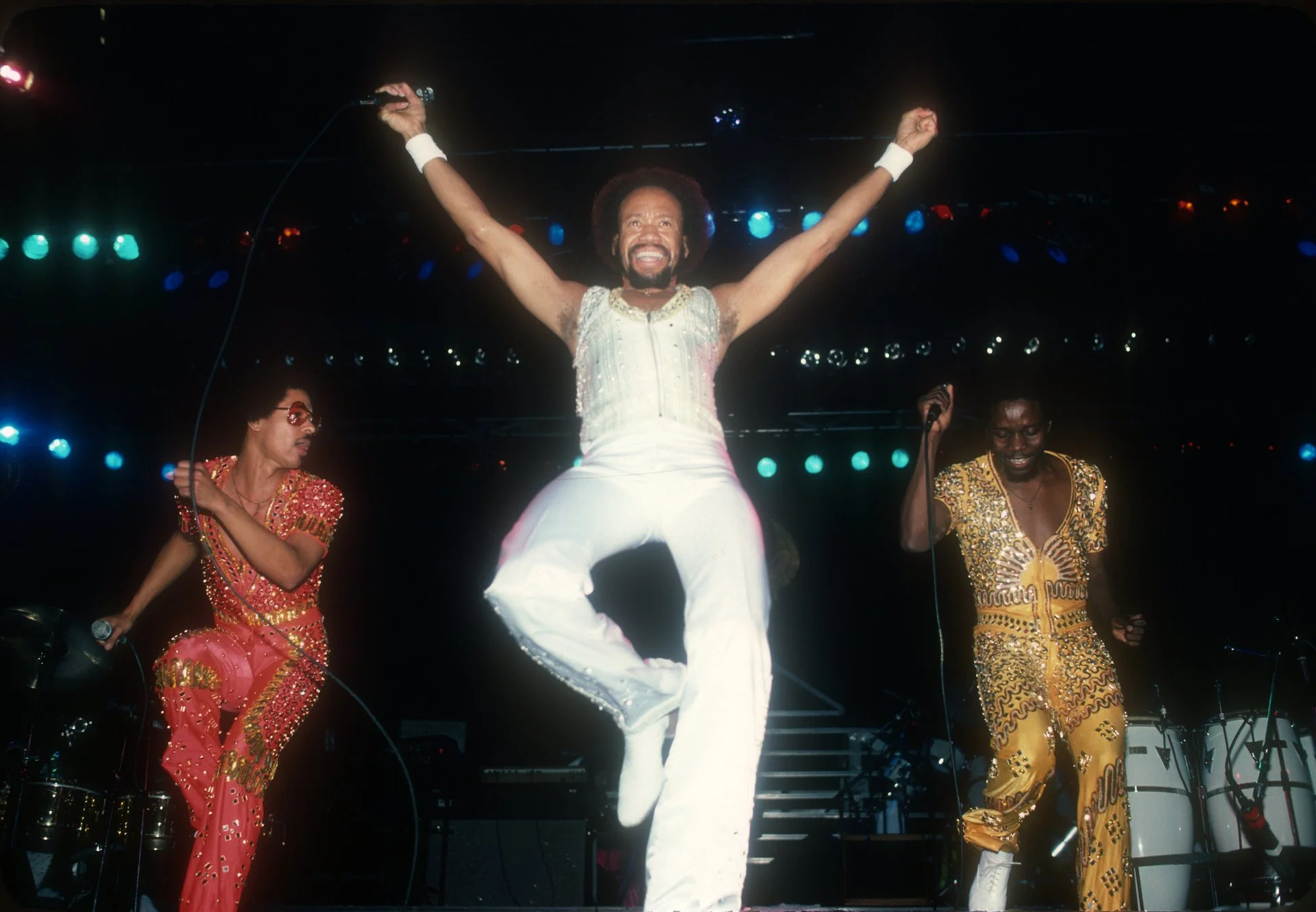
Photograph by Jeffrey Mayer/HBO
What makes these sequences so effective isn’t simply the information they’re conveying.
It’s the excitement.
Questlove approaches music history like someone uncovering buried treasure. Every revelation feels meaningful because he genuinely believes it is. That enthusiasm becomes infectious. Even viewers already familiar with Earth, Wind & Fire’s history will likely discover new layers of appreciation.
The film is particularly brilliant when breaking down the band’s musical evolution.
One of Questlove’s greatest strengths as a filmmaker is his ability to discuss music without making the conversation feel academic. He understands theory, arrangement, rhythm, harmony, and production at an expert level, but he translates those concepts into emotional experiences. When the documentary explores songs like “Shining Star,” “That’s the Way of the World,” and “September,” it isn’t simply cataloging hits. It’s examining how those songs work and why they continue to resonate.
The sequence devoted to “September” is worth the price of admission alone.
Few songs occupy such a unique space in popular culture. It’s almost impossible to hear without smiling. Yet Questlove refuses to treat its popularity as self-explanatory. He explores the craftsmanship behind its construction, the optimism embedded within its sound, and the reasons it continues to feel timeless nearly five decades after its release.
Watching musicians, historians, collaborators, and admirers dissect the song becomes unexpectedly moving.
The film’s greatest accomplishment, however, may be its refusal to turn Maurice White into a saint.
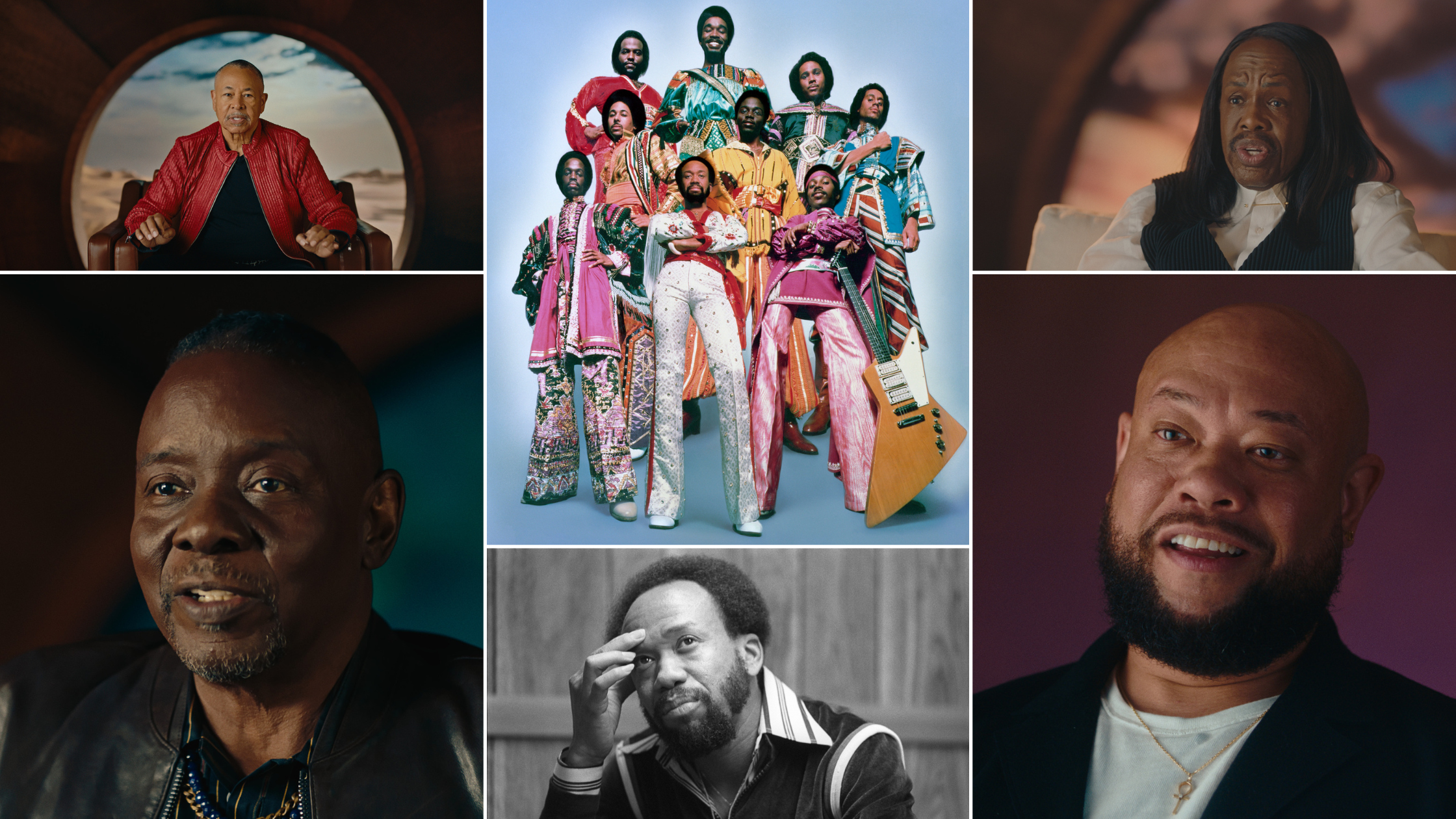
Photograph by Courtesy of HBO
Too many music documentaries mistake celebration for hagiography. They smooth out flaws, ignore contradictions, and transform complicated people into inspirational symbols. Questlove takes a different approach. He clearly admires White, but he also understands that understanding an artist requires confronting their complexities.
As the documentary progresses, White’s shortcomings become increasingly visible.
Former collaborators discuss frustrations. Relationships become strained. Questions of credit, compensation, loyalty, and power emerge. White’s personal life proves considerably messier than the utopian ideals his music often promoted. Some band members openly acknowledge their anger toward him. Longtime partner Marilyn White provides valuable perspective on both his brilliance and his failures.
Rather than weakening the film, these moments strengthen it.
White becomes more interesting because he becomes more human.
Questlove recognizes that contradictions are often inseparable from creativity. The same obsessive drive that allowed White to build Earth, Wind & Fire also contributed to many of the tensions surrounding him. The same certainty that enabled his artistic vision occasionally manifested as arrogance. The same idealism that fueled his music sometimes collided with the realities of human relationships.
The documentary never excuses these contradictions.
It simply acknowledges them.
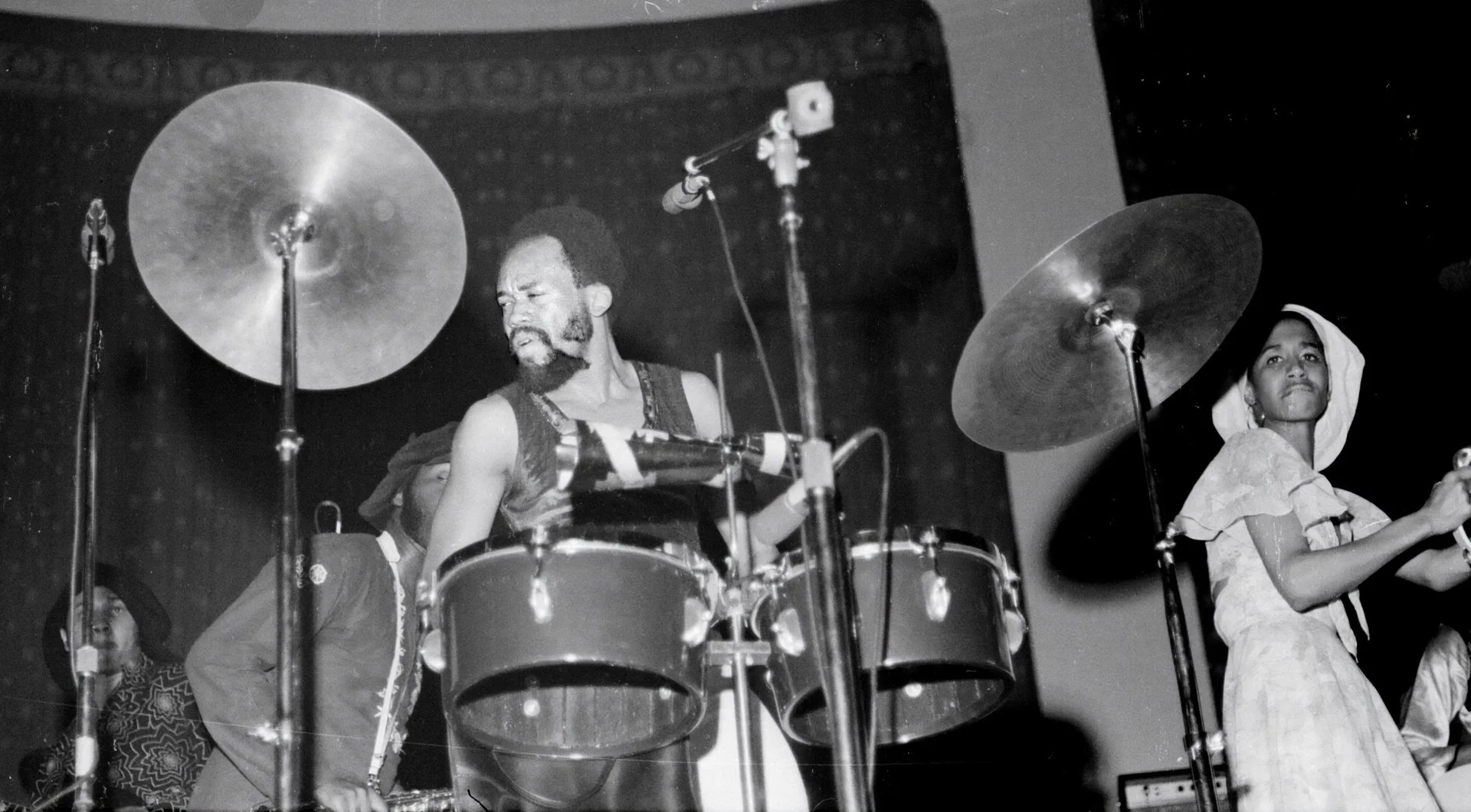
Photograph by Courtesy of HBO
That honesty gives the film a depth that many music documentaries lack.
Technically, the documentary is excellent throughout. The editing is sharp, energetic, and rhythmically precise. The archival material is superb. Concert footage explodes with color and vitality. Interviews are thoughtfully chosen and effectively integrated. The film moves with confidence despite covering decades of history and an enormous amount of material.
Questlove may not be reinventing the music-documentary format, but at this point he hardly needs to.
What he’s doing is refining it.
POPULAR ON THE CINEMA GROUP
His documentaries possess a clarity of purpose that many contemporary nonfiction films struggle to achieve. He understands his subjects, understands his audience, and understands how to connect the two.
By the time Earth, Wind & Fire reaches its closing moments, the feeling isn’t simply one of admiration. It’s gratitude.
Gratitude for the music. Gratitude for Maurice White’s vision. Gratitude that someone cared enough to tell this story with the depth and intelligence it deserves.
Most importantly, the film succeeds in accomplishing something surprisingly rare. It sends audiences back to the music not out of nostalgia, but out of renewed appreciation. The songs sound richer. The achievements feel larger. The legacy appears even more significant than before.
That’s the mark of a great music documentary.
It doesn’t just preserve history— It changes the way you hear it.
Rating: ★★★★★
That’s a Wrap
|
Earth, Wind & Fire (To Be Celestial vs That’s the Weight of the World)
|
That’s a Wrap | Earth, Wind & Fire (To Be Celestial vs That’s the Weight of the World) |
“Questlove doesn’t just celebrate Earth, Wind & Fire—he finally gives Maurice White and his band the place they deserve in music history.”
CREDITS
Release Date: Tribeca Festival 2026
Featuring: Maurice White, Philip Bailey, Verdine White, Barack Obama, Michelle Obama, Stevie Wonder, Lionel Richie, Flea, Jimmy Jam
Director: Questlove
Festival: Tribeca Festival 2026
Run Time: TBA
Not Rated
Watch The trailer Below:
| FEATURES | INTERVIEWS | REVIEWS | The Catalogue | TRENDING | TRAILERS | VIDEOS |









![WERWULF - Official Trailer [HD] - Only In Theaters Christmas](https://i.ytimg.com/vi/cmjpadVj-Vk/hqdefault.jpg)