‘Hacks’ Goes Out on Its Own Terms With a Bold, Divisive Series Finale That Trades Comedy for Silence
Photograph by Courtesy of HBO Max
The Hacks series finale makes a daring creative choice, stripping away comedy in favor of silence, grief, and emotional reckoning as Deborah Vance confronts her legacy.
SPOILER WARNING: This article contains full spoilers for the Hacks series finale
The Hacks series finale is not interested in playing safe. It is not interested in smoothing over tone, protecting audience expectations, or even behaving like the comedy that defined its identity for five seasons. Instead, it makes one of the most audacious tonal decisions in recent memory: it largely stops being funny.
That choice will define how the finale is remembered.
For a series built on razor-sharp comedy and industry satire, the decision to center its final hour around silence, emotional restraint, and mortality is either a bold act of creative conviction or a fundamental betrayal of form — depending on where viewers land.
At the center of it all is Deborah Vance, whose cancer has returned, reshaping the final season into something closer to a slow emotional reckoning than a traditional comedy arc. The revelation reframes everything that follows, not as setup for jokes or punchlines, but as an extended confrontation with time, legacy, and control.
Photograph by Courtesy of HBO Max
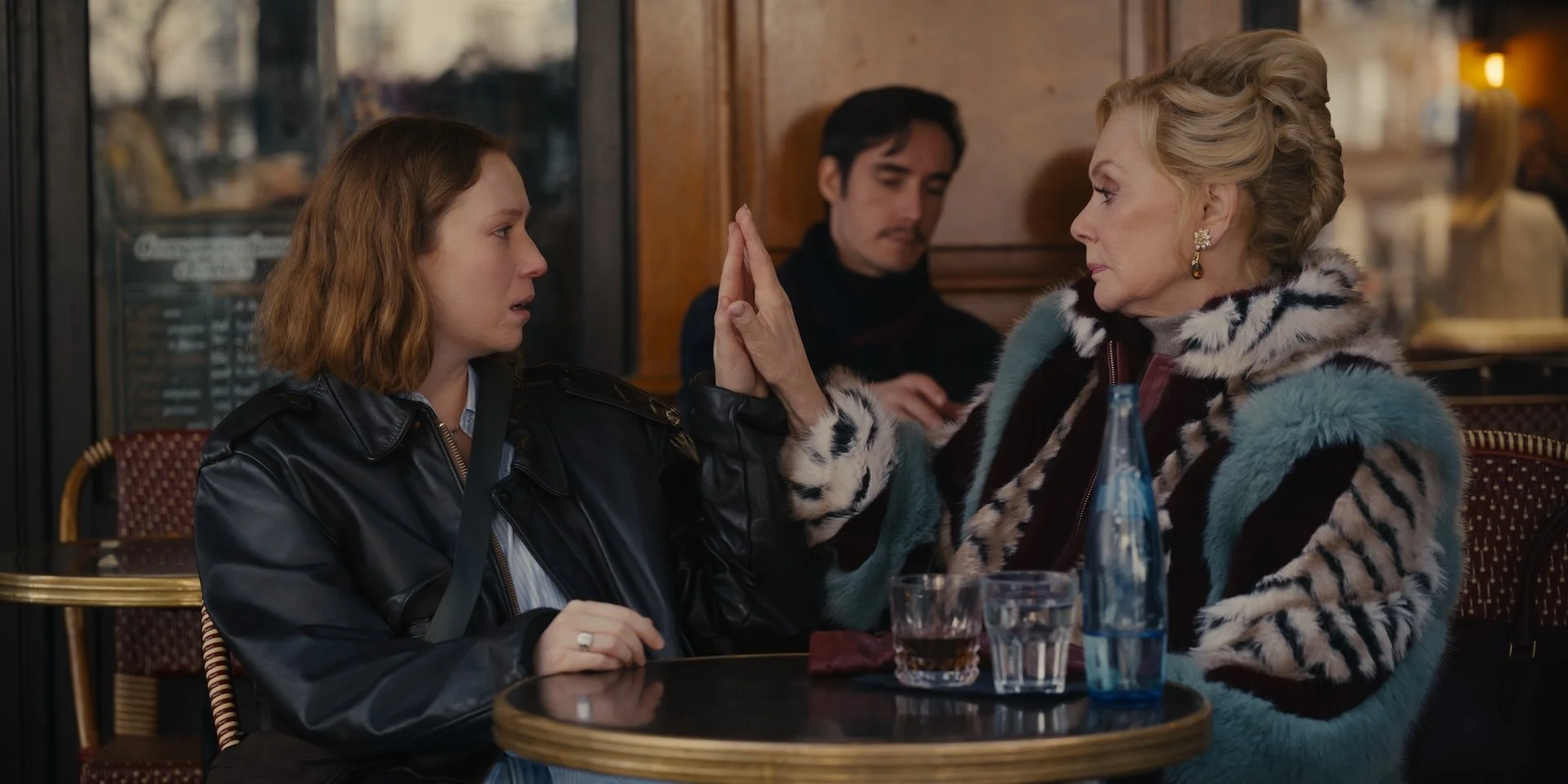
Ava and Jimmy remain the only two people aware of the full reality of Deborah’s condition, placing them in a moral and emotional position that strips away the usual comedic scaffolding of the series. What remains instead is discomfort — not built from gag structure or punchline timing, but from absence.
For long stretches of the finale, there is silence.
Not silence as punctuation between jokes, but silence as the dominant language of the episode. Scenes linger. Conversations stretch without payoff. Emotional exchanges are withheld rather than resolved. It is a radical departure from the show’s established rhythm, and one that forces a recalibration of what Hacks even is in its final form.
Photograph by Courtesy of HBO Max
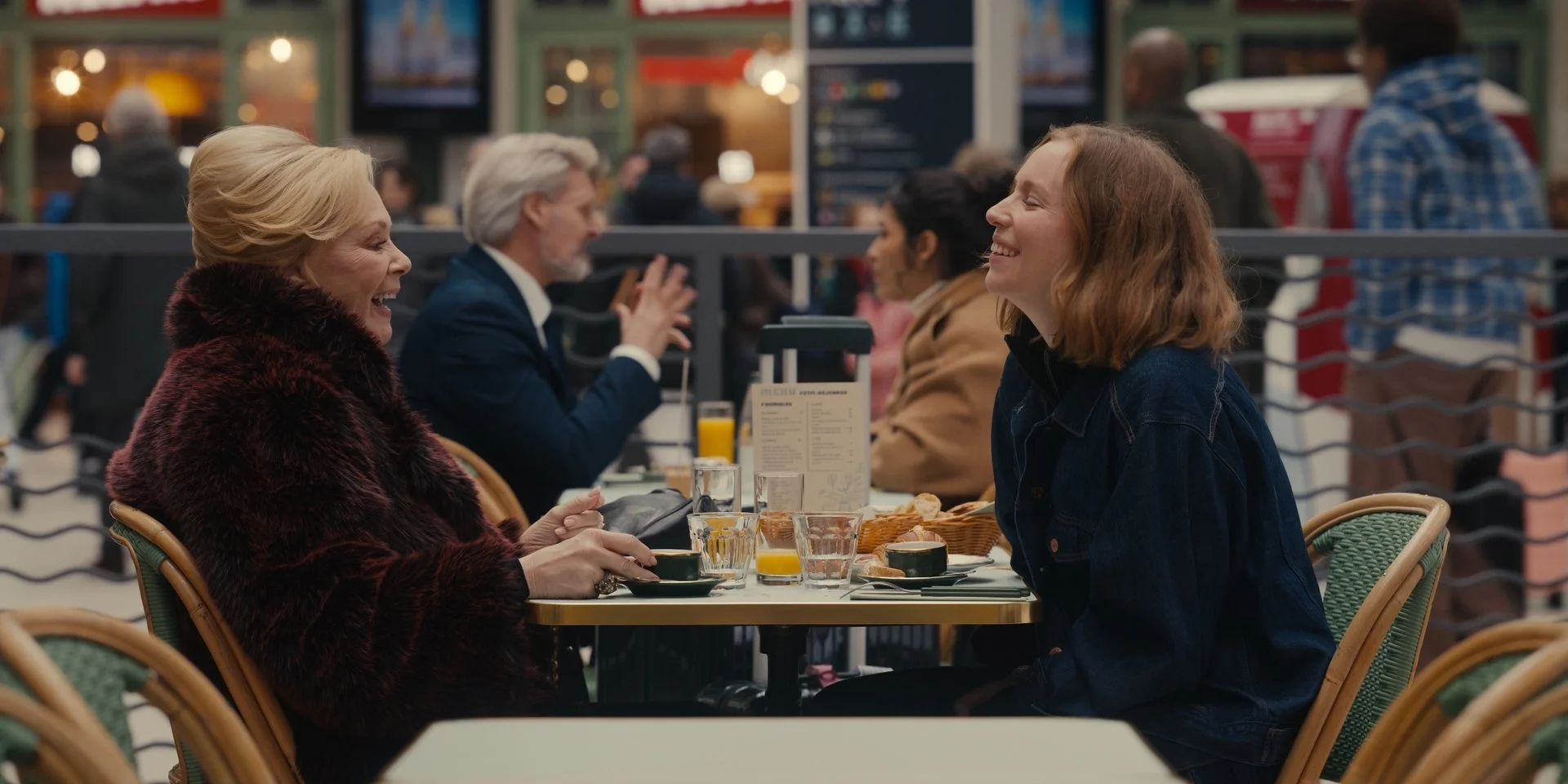
The effect is intentionally destabilizing. A series marketed and long defined as a comedy suddenly removes the safety net of humor, asking viewers to sit with Deborah and Ava in a space that feels closer to grief than entertainment. Whether that lands as profound or alienating depends entirely on expectation.
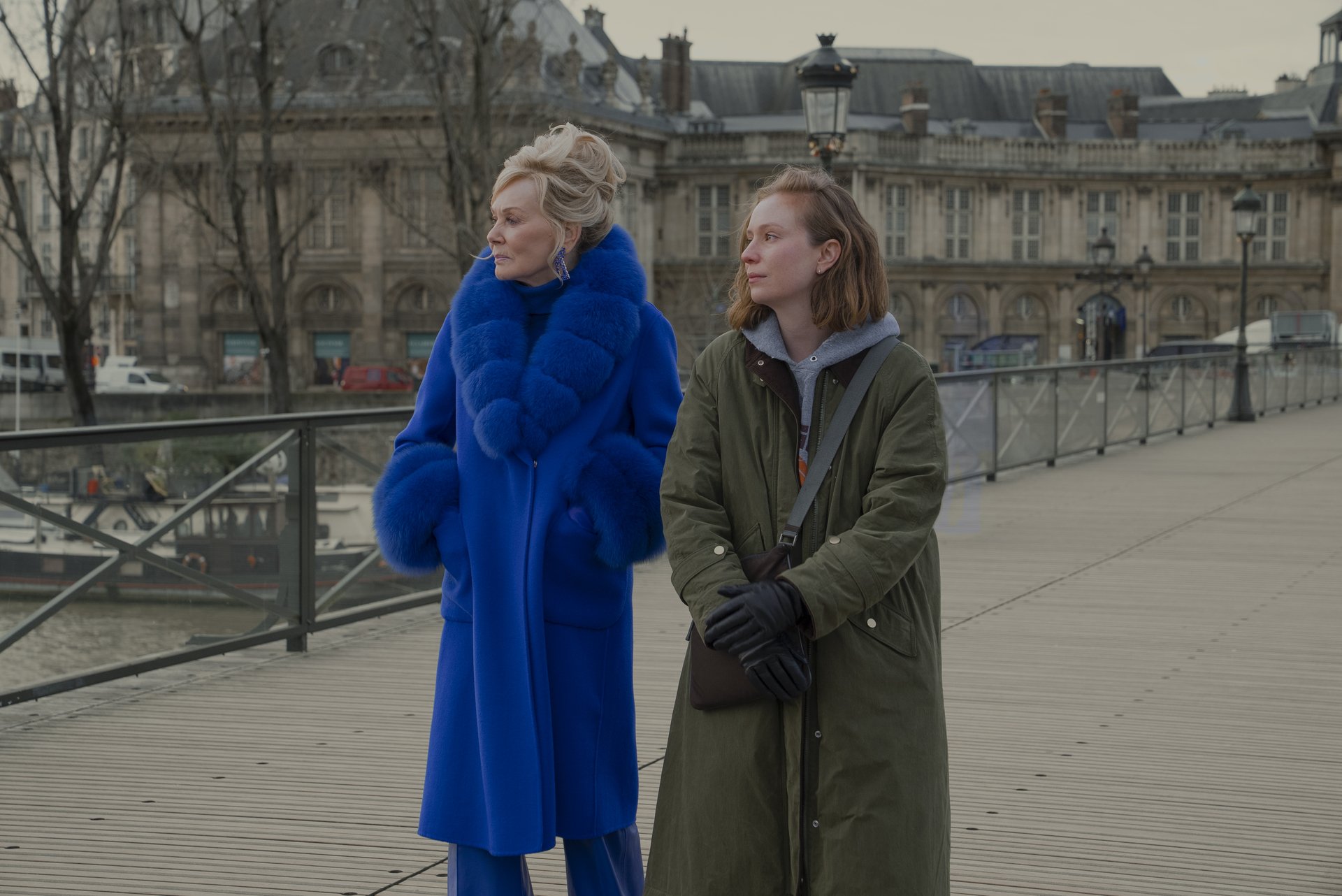
Structurally, the finale continues to orbit the central tension between Deborah and Ava — a relationship that has never fit neatly into categories like mentor, mentee, surrogate family, or adversary. The show has always resisted defining them too cleanly, and the finale doubles down on that refusal. Instead of resolution, it offers proximity. Instead of closure, recognition.
The absence of comedy does not erase the show’s history, but it reframes it. What once played as tension laced with humor now reads as something more fragile — two people orbiting each other across power, dependency, admiration, and resentment, with no final label capable of containing it.
Photograph by Kenny Laubbacher/HBO Max
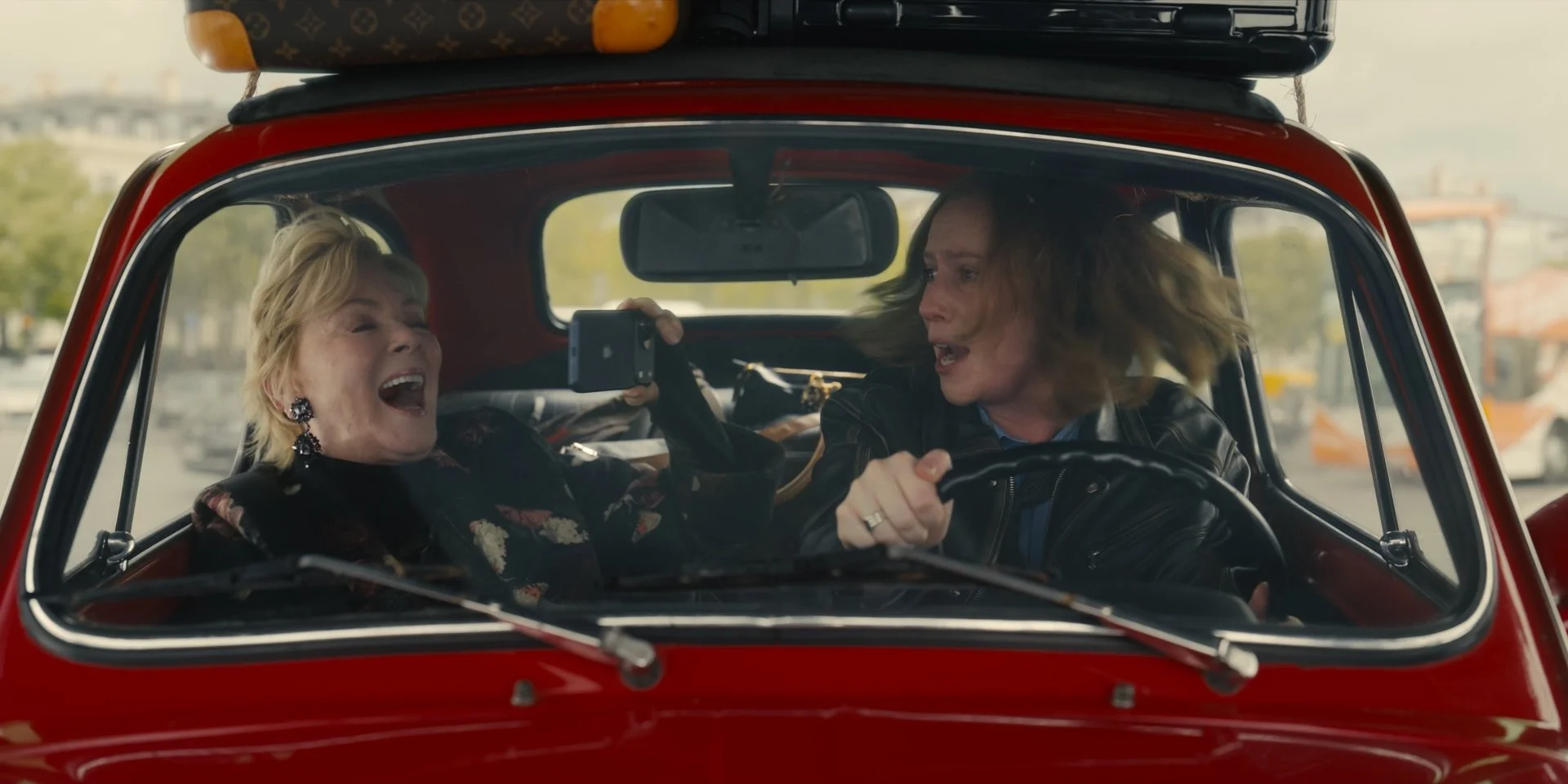
Meanwhile, the supporting narrative threads provide structural relief, particularly the storyline involving Jimmy and Kayla, which returns briefly to more familiar comedic terrain. Their arc offers a reminder of what Hacks used to feel like at full comedic speed — quick, transactional, punchline-driven — before the finale commits fully to tonal departure.
But the center of gravity remains Deborah and Ava.
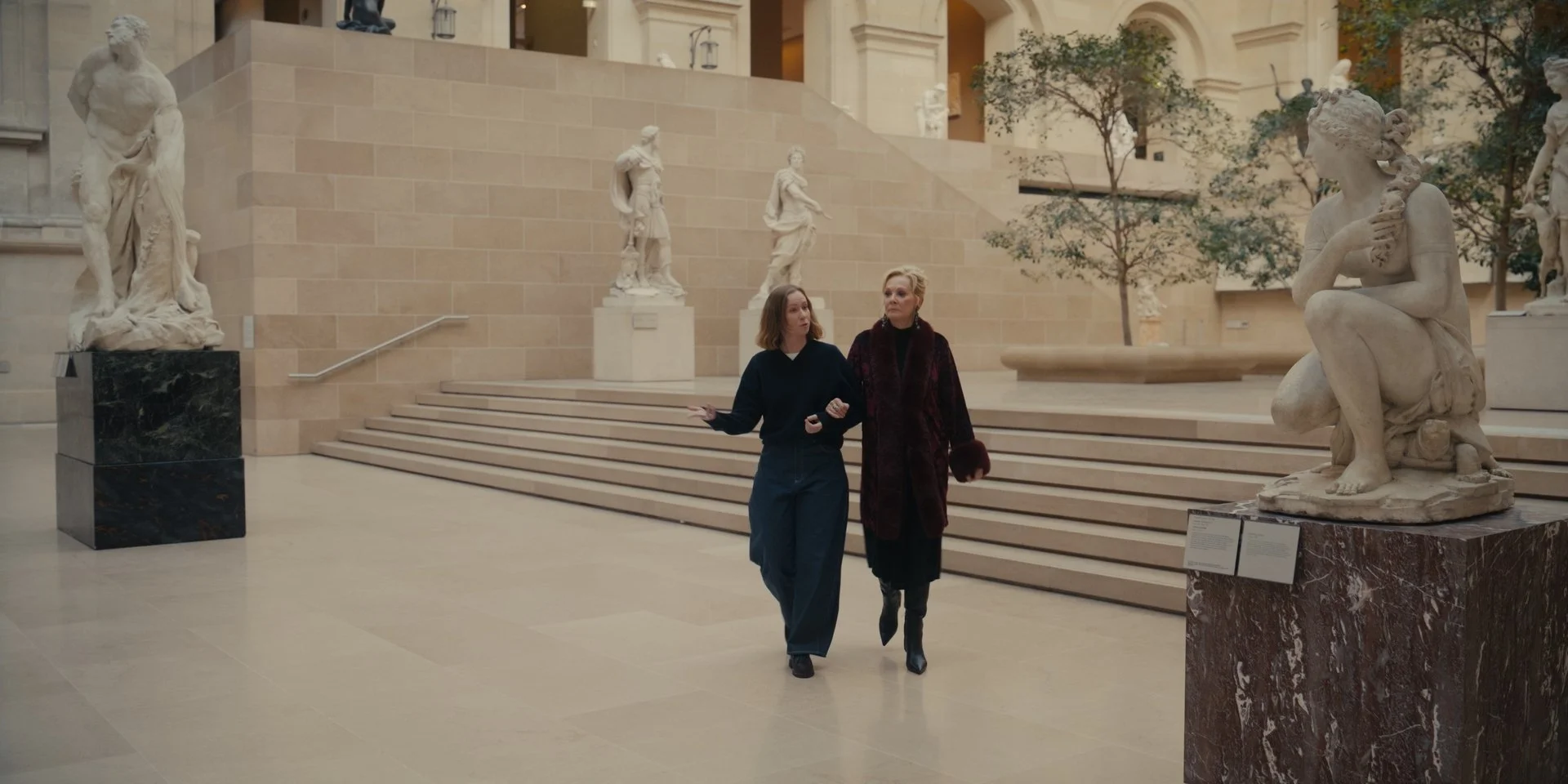
Their final stretch together is defined less by plot progression than emotional stripping away. Ava’s plea for Deborah to pursue treatment becomes the emotional climax of the episode, not because it introduces new information, but because it exposes everything neither character has been willing to fully articulate.
Photograph by Courtesy of HBO Max
Deborah’s refusal remains consistent with her established character logic — control above vulnerability, authorship above surrender. But the final episode complicates even that refusal by ultimately reframing her choice. In a late reversal, Deborah opts not for immediate finality, but for continuation on her own terms, choosing to live long enough to shape her final comedic statement.
That decision shifts the episode’s meaning again. What initially reads as an ending about mortality becomes, instead, an ending about authorship — about who gets to shape the final version of a life, and in what language that life is ultimately told.
Photograph by Courtesy of HBO Max
Even then, the finale refuses clean resolution.
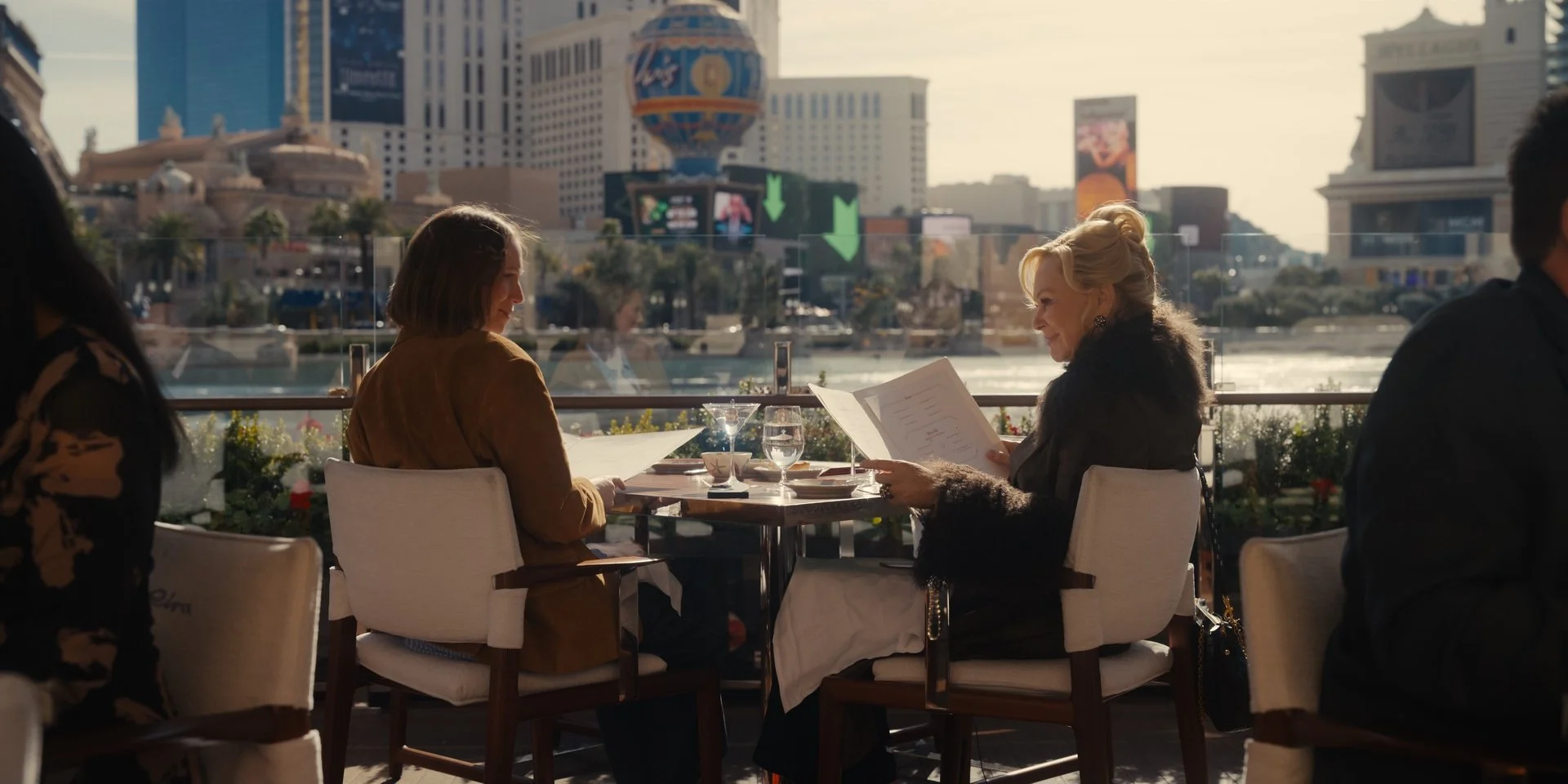
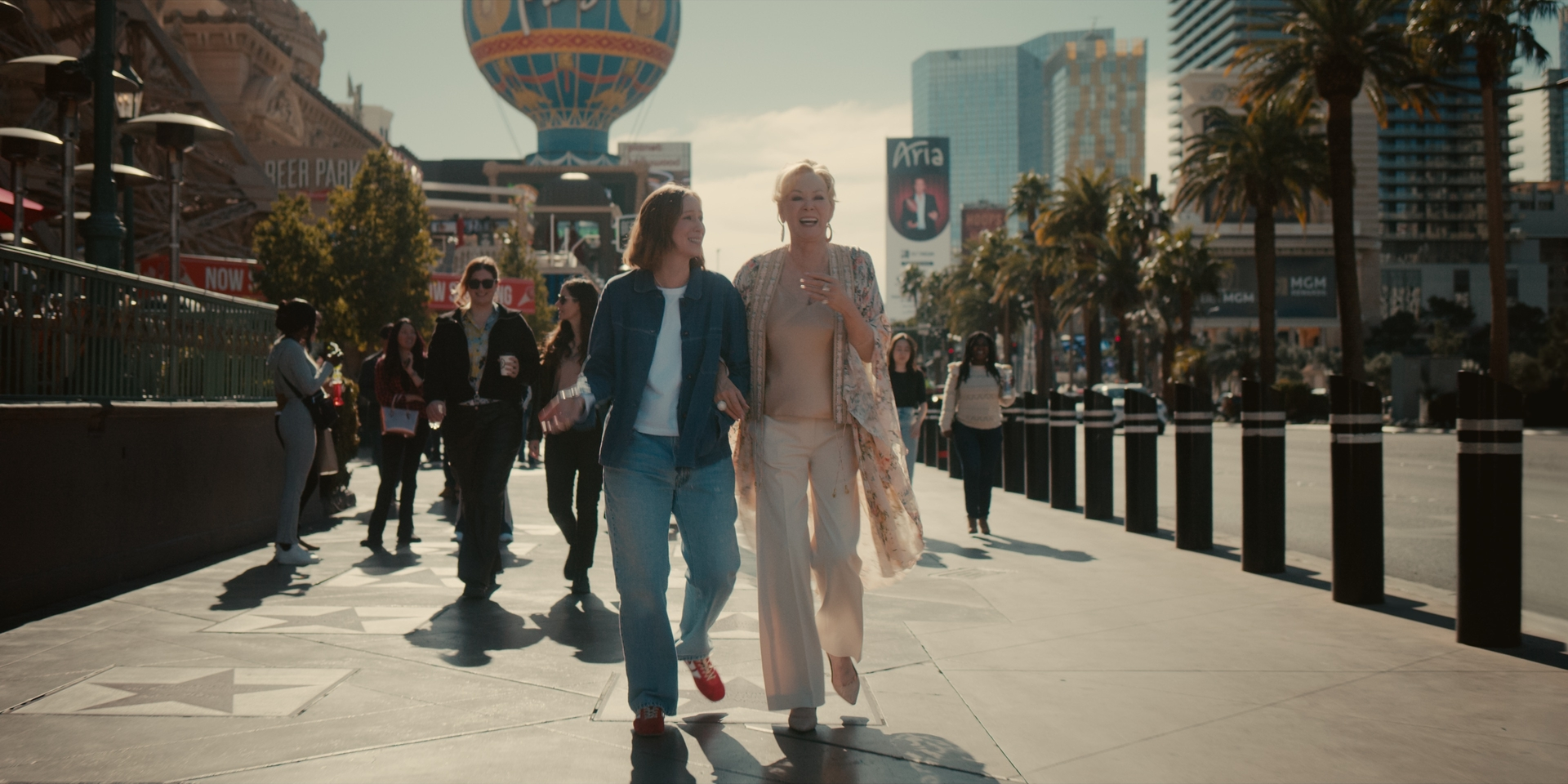
The final image of Deborah and Ava walking through Las Vegas — no longer in opposition, but no longer fully defined by reconciliation either — does not resolve the show so much as suspend it. The introduction of music and forward motion suggests closure, but the emotional architecture remains deliberately open-ended.
POPULAR ON THE CINEMA GROUP
The question the finale leaves behind is not what happens next, but what any of this meant in the first place — whether Hacks was ever truly about comedy at all, or whether comedy was simply the form it used to delay confronting something heavier.
Photograph by Courtesy of HBO Max
What is clear is that the series ends deliberately, not neatly. It chooses emotional discomfort over structural satisfaction, ambiguity over explanation, and silence over resolution.
For some viewers, that will feel like a rupture…For others, it will feel like honesty.
Either way, Hacks does not exit quietly by accident. It exits this way on purpose.
| FEATURES | INTERVIEWS | REVIEWS | The Catalogue | TRENDING | TRAILERS | VIDEOS |





![WERWULF - Official Trailer [HD] - Only In Theaters Christmas](https://i.ytimg.com/vi/cmjpadVj-Vk/hqdefault.jpg)