Paramount Delays Warner Bros. Discovery Merger Until After Antitrust Trial
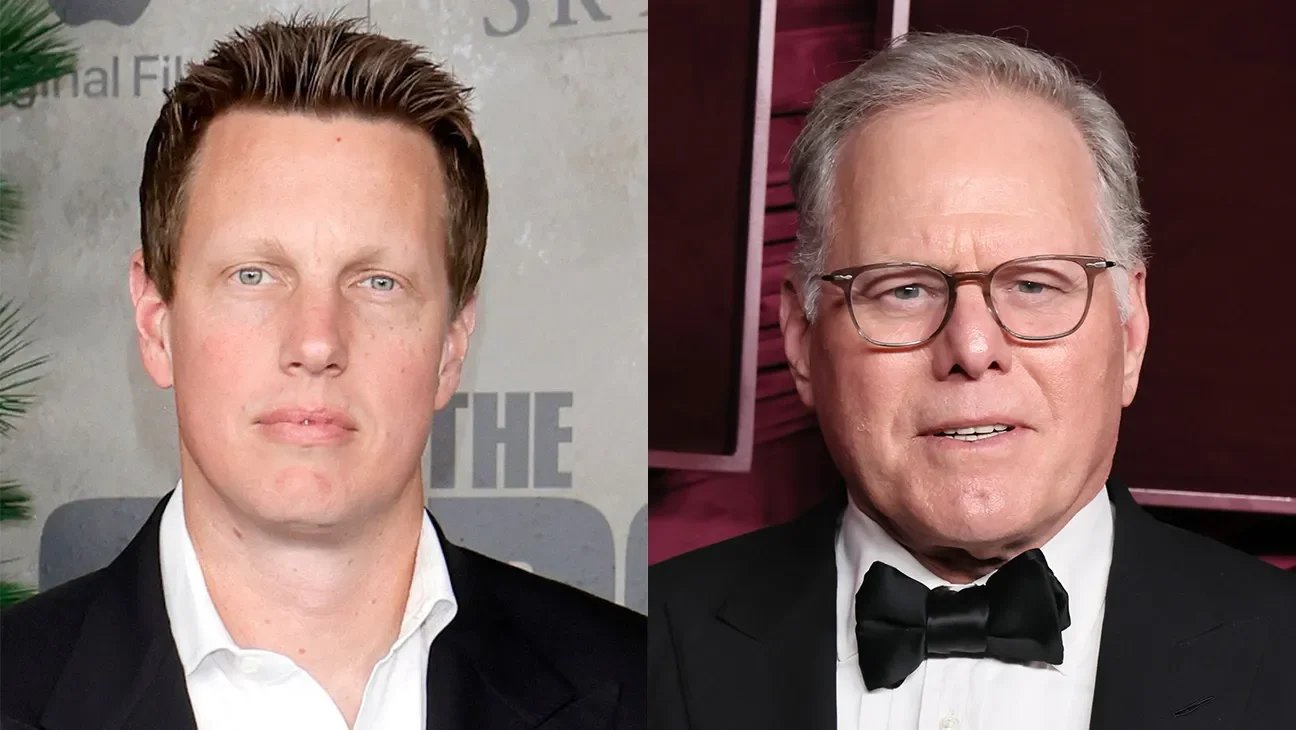
GETTY IMAGES
Paramount has agreed not to complete its proposed $111 billion acquisition of Warner Bros. Discovery until a federal court rules on whether the blockbuster media merger violates U.S. antitrust law.
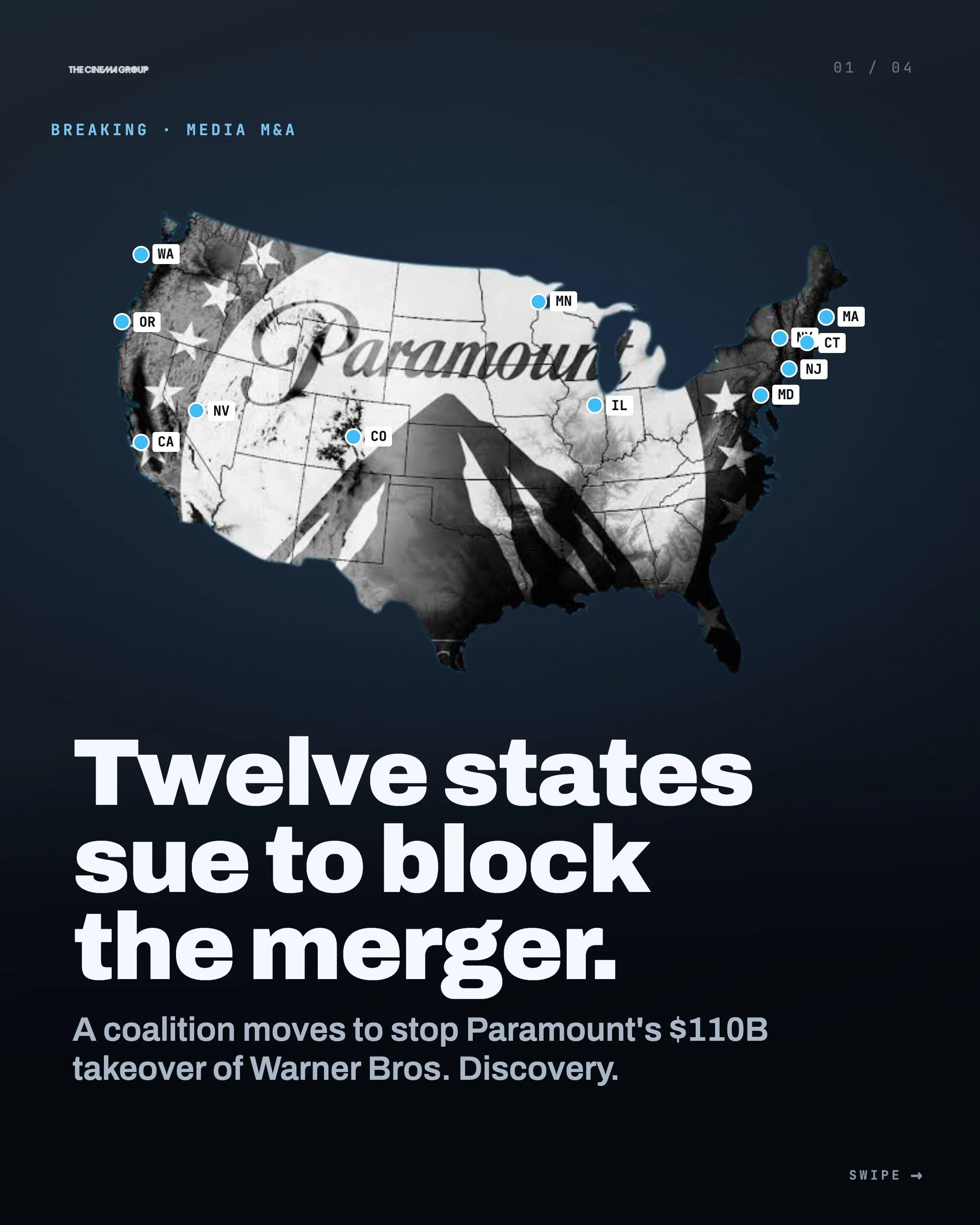
Paramount and the coalition of states seeking to block its proposed acquisition of Warner Bros. Discovery have reached an agreement that effectively presses pause on one of the largest entertainment mergers in history.
According to a joint court filing, Paramount will not close its planned $111 billion acquisition until either June 2027 or five days after the court issues a decision in the antitrust case, whichever comes first. The agreement eliminates the immediate battle over a preliminary injunction and instead puts both sides on a direct path toward a full trial.
For Paramount, the move removes short-term uncertainty surrounding the transaction while allowing the company to argue its case before a federal judge. For the states challenging the merger, it ensures the deal cannot be completed before the court determines whether it would substantially lessen competition across key segments of the entertainment industry.
“This is the fastest and clearest way to prove that this transaction is good for competition, good for consumers, and good for creators,” a Paramount spokesperson said in a statement, arguing that regulators have underestimated how dramatically the media landscape has evolved in the streaming era.
The company also pointed to approvals from numerous international competition authorities, maintaining that the lawsuit relies on outdated definitions of today’s entertainment marketplace.
The legal dispute centers on whether combining Paramount and Warner Bros. Discovery would reduce competition in theatrical film distribution and cable television licensing. The coalition of states argues the merger would give the combined company outsized influence over wide theatrical releases and premium film licensing, ultimately reducing consumer choice and harming competition throughout the industry.
Separately, the Writers Guild of America has voiced opposition to the transaction, arguing that further consolidation among major studios could weaken bargaining power for writers while leading to lower compensation and less favorable deal terms.
The agreement also carries significant financial implications.
Under the merger agreement, Warner Bros. Discovery shareholders are entitled to receive approximately $650 million per quarter while the transaction remains pending beyond Sept. 30, an obligation that reportedly amounts to roughly $6.9 million per day until the deal closes. A prolonged legal battle could therefore increase the overall cost of completing the acquisition if Paramount ultimately prevails in court.
POPULAR ON THE CINEMA GROUP
The latest development follows U.S. District Judge Araceli Martínez-Olguín’s decision to extend a temporary restraining order preventing Paramount from closing the transaction before Aug. 18.
As part of Friday’s filing, both parties agreed to cancel a previously scheduled Aug. 3 preliminary injunction hearing. Instead, Paramount and the states will submit a joint scheduling proposal by July 31 outlining how the case should proceed toward trial.
The outcome could reshape the future of Hollywood.
If approved, the merger would unite some of the entertainment industry’s most recognizable brands under a single corporate umbrella, including Warner Bros., HBO, HBO Max, DC Studios, CNN, Paramount Pictures, CBS, Showtime, MTV, Nickelodeon and Paramount+.
Should the court side with the states, however, it would mark one of the most significant antitrust victories against media consolidation in decades and could establish new limits on future mergers among major entertainment companies.
For now, one thing is clear: the future of the proposed Paramount-Warner Bros. Discovery merger will be decided in court—not in the boardroom.
| FEATURES | INTERVIEWS | REVIEWS | The Catalogue | TRENDING | TRAILERS | VIDEOS |





![WERWULF - Official Trailer [HD] - Only In Theaters Christmas](https://i.ytimg.com/vi/cmjpadVj-Vk/hqdefault.jpg)