Timothée Chalamet Is Kalshi's New Face — And He Was Already Their Best Product
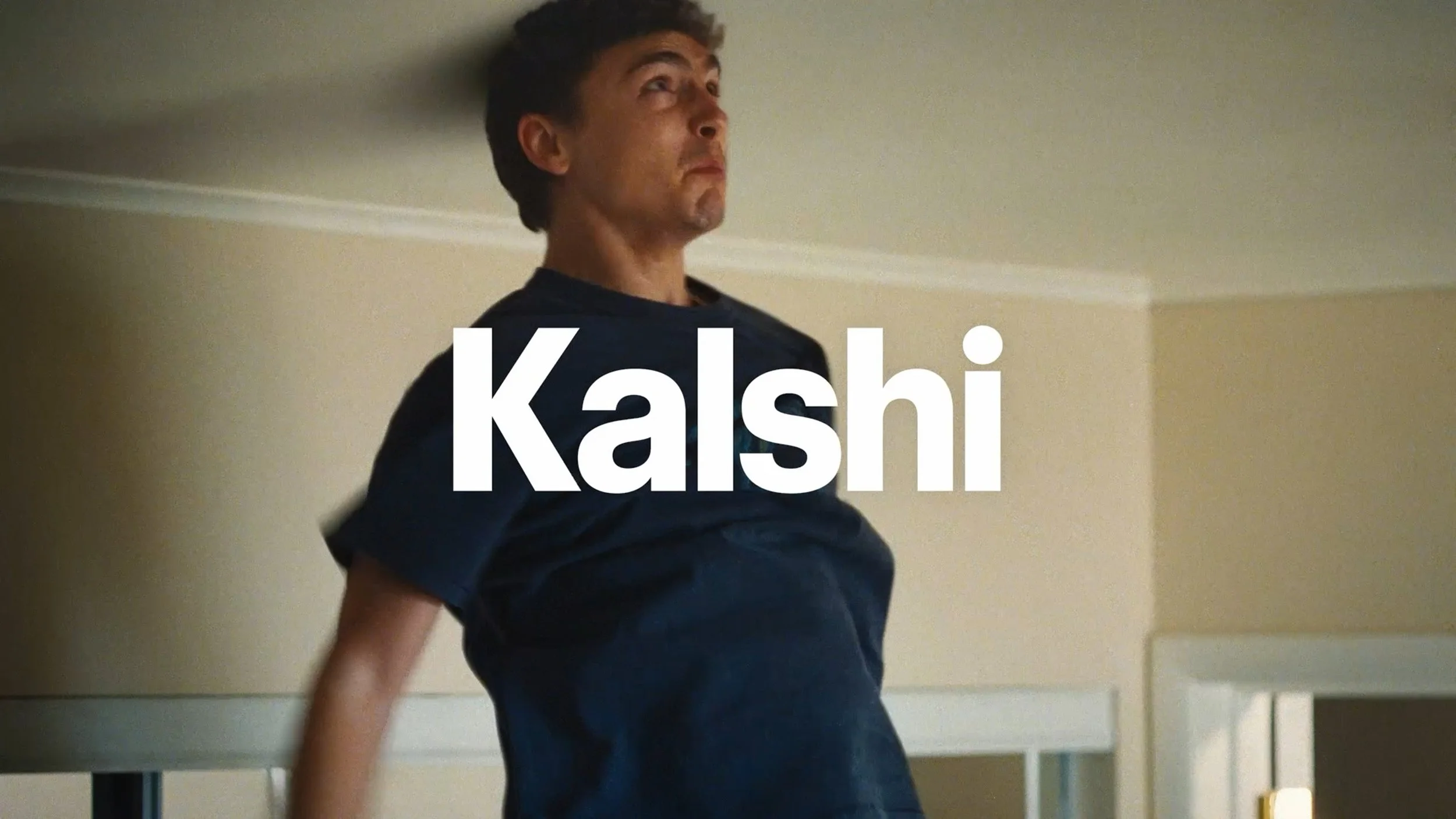
KALSHI
The prediction market where his Oscar odds traded like a meme stock just hired him as the face of the brand.
Timothée Chalamet became the most-traded man in entertainment without signing a single endorsement deal. During this year's awards season, his Oscar odds moved like a meme stock — sitting at 68 cents as the favorite, dropping to 51 cents after Michael B. Jordan's SAG win, then sliding again when comments about ballet drew backlash. Prediction market traders watched his every public appearance the way analysts watch earnings calls. When he lost the Oscar, he didn't just lose a trophy. He resolved a $100 million-plus question that had been sitting open across Kalshi and its competitors all winter.
So when Kalshi announced him as the face of its new campaign, it wasn't an endorsement deal in any traditional sense. It was a market resolving on itself.
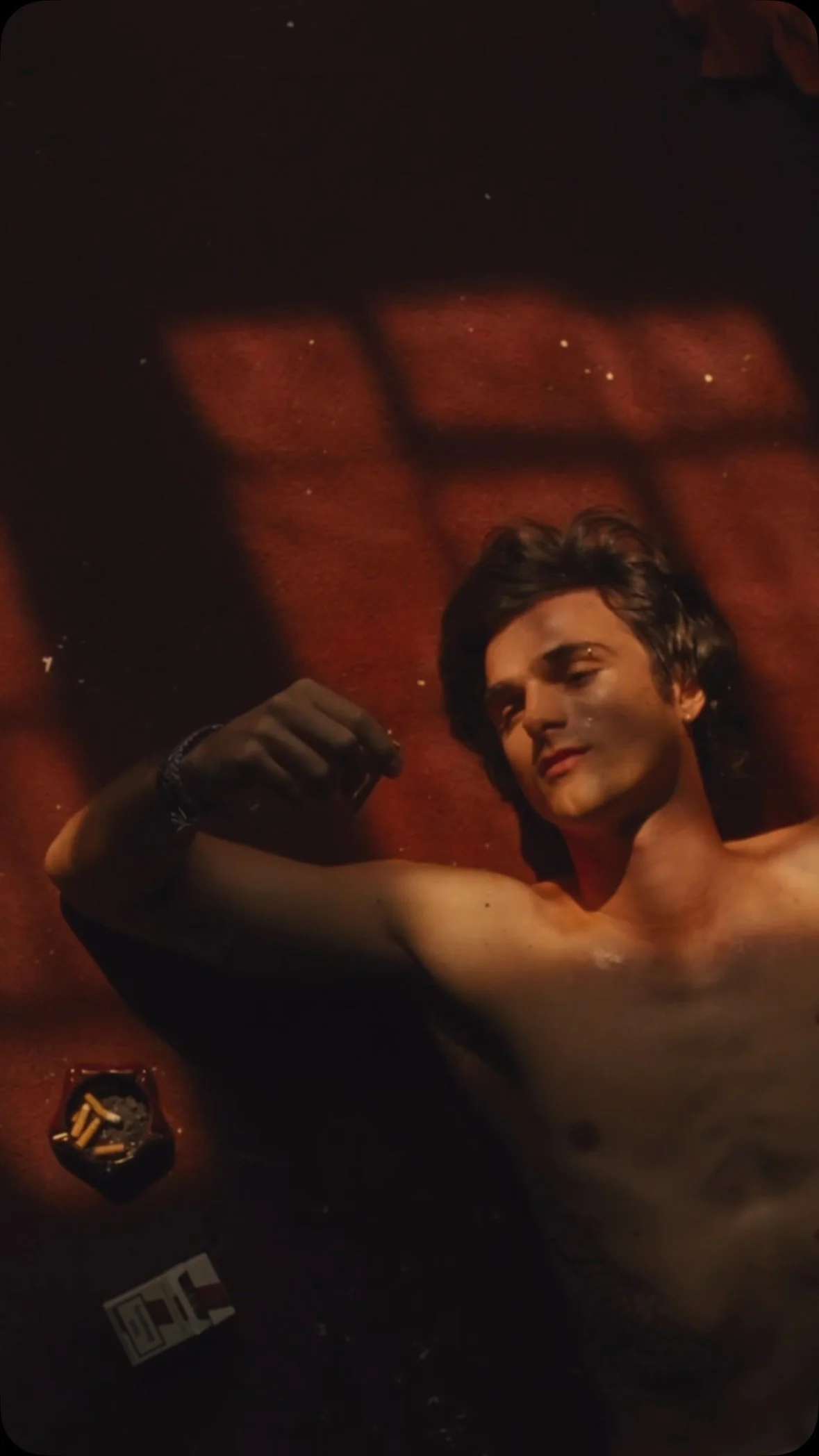
The ad is surreal and deliberately refuses to explain what Kalshi is. Chalamet floats suspended in a teenage bedroom, fists clenched, hanging between a gaming setup and the ceiling like he's just accomplished something mathematically impossible. He hunches over a $1,799 synthesizer in a fluorescent keyboard shop, budget constraints suddenly irrelevant. He white-knuckles a dentist's chair while masked professionals loom overhead. Every frame is shot like an A24 short — that particular flavor of arthouse anxiety that has become Chalamet's brand language.
The creative choice is deliberate. Kalshi doesn't need to explain prediction markets to its core audience. The people trading Oscar odds already know. The people refreshing Knicks betting odds at Madison Square Garden already know. The point of the campaign isn't education. It's recognition.
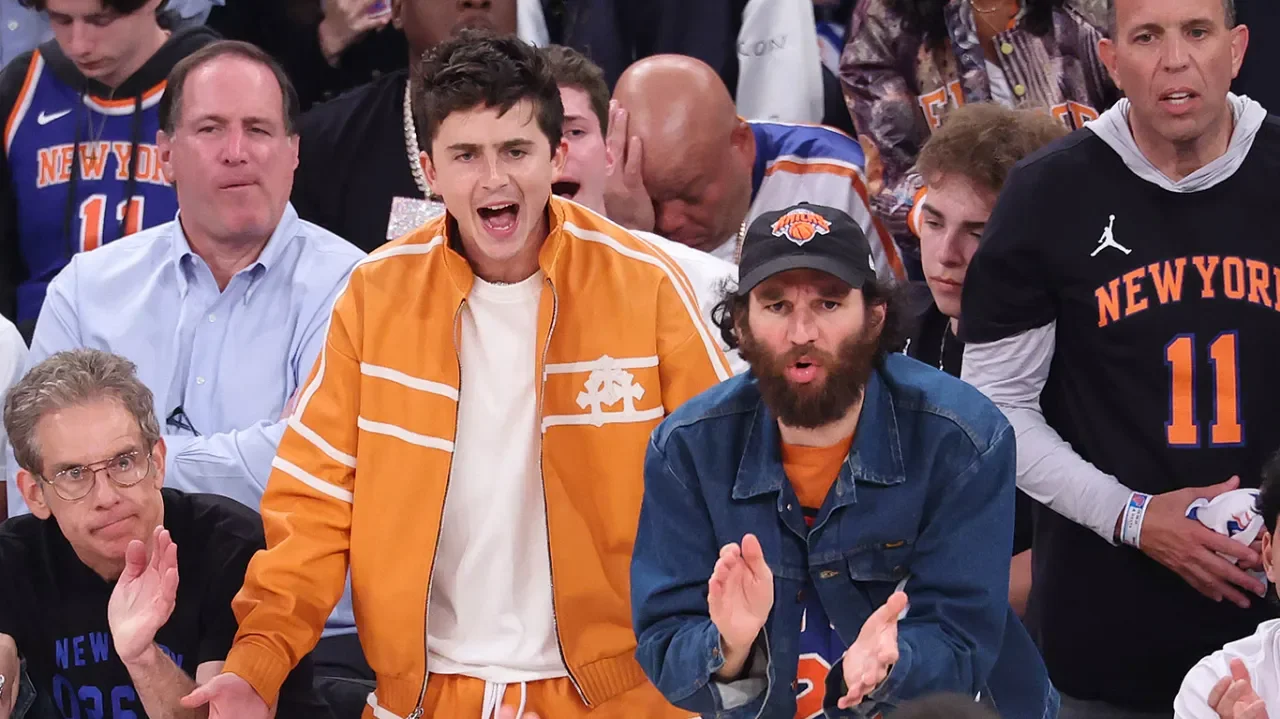
Getty Images
Chalamet has never done a conventional celebrity endorsement. His Cash App spot became an ambient short film screened before $500 million blockbusters. His Bleu de Chanel campaign included a short film directed by Martin Scorsese. His Adidas partnership brought together Beckham, Bad Bunny, and soccer's global reach in a film that felt more like an art project than a shoe commercial. He exists in that narrow space where advertising becomes art direction, where the product is almost irrelevant and the aesthetic is everything. Kalshi hired him not because he's famous but because his audience — the 18-to-34 demographic that argues about culture in group chats and lives on prediction markets — already knows what he does.
The partnership makes obvious financial sense. Prediction markets operate in all 50 states and are available to users 18 and older. Traditional sports betting is 21+ only and restricted to 39 states. That gap is where Kalshi grows, and that gap is exactly where Chalamet's audience lives. The generation that spent an entire awards season watching their favorite actor's financial value fluctuate in real time.
POPULAR ON THE CINEMA GROUP
The ad itself doesn't sell any of that. It just shows a guy suspended in the feeling of improbability itself. The platform's pitch lives entirely in that moment — the sensation of something impossible having just become real, quantified, tradeable, and on the screen in front of you.
The partnership will draw the predictable criticism. Prediction markets remain controversial, sitting in that regulatory gray zone between finance and gambling. Some of Chalamet's fans will hate the association. But controversy has never slowed Chalamet's trajectory, and Kalshi has built its entire brand on thriving in exactly this kind of friction. Neither party is trying to be safe.
What they're actually saying is simpler: the things you already obsess over — movies, scores, the Garden, this guy — are the market now. And being right about culture finally pays out somewhere.
Kalshi's prediction markets are available to users 18 and older across all 50 states. This article is sponsored by Kalshi.

| FEATURES | INTERVIEWS | REVIEWS | The Catalogue | TRENDING | TRAILERS | VIDEOS |







![WERWULF - Official Trailer [HD] - Only In Theaters Christmas](https://i.ytimg.com/vi/cmjpadVj-Vk/hqdefault.jpg)