Quentin Tarantino Says Paul Dano Was the “Weakest Link” in There Will Be Blood — And Sparks a New Debate About Modern Acting
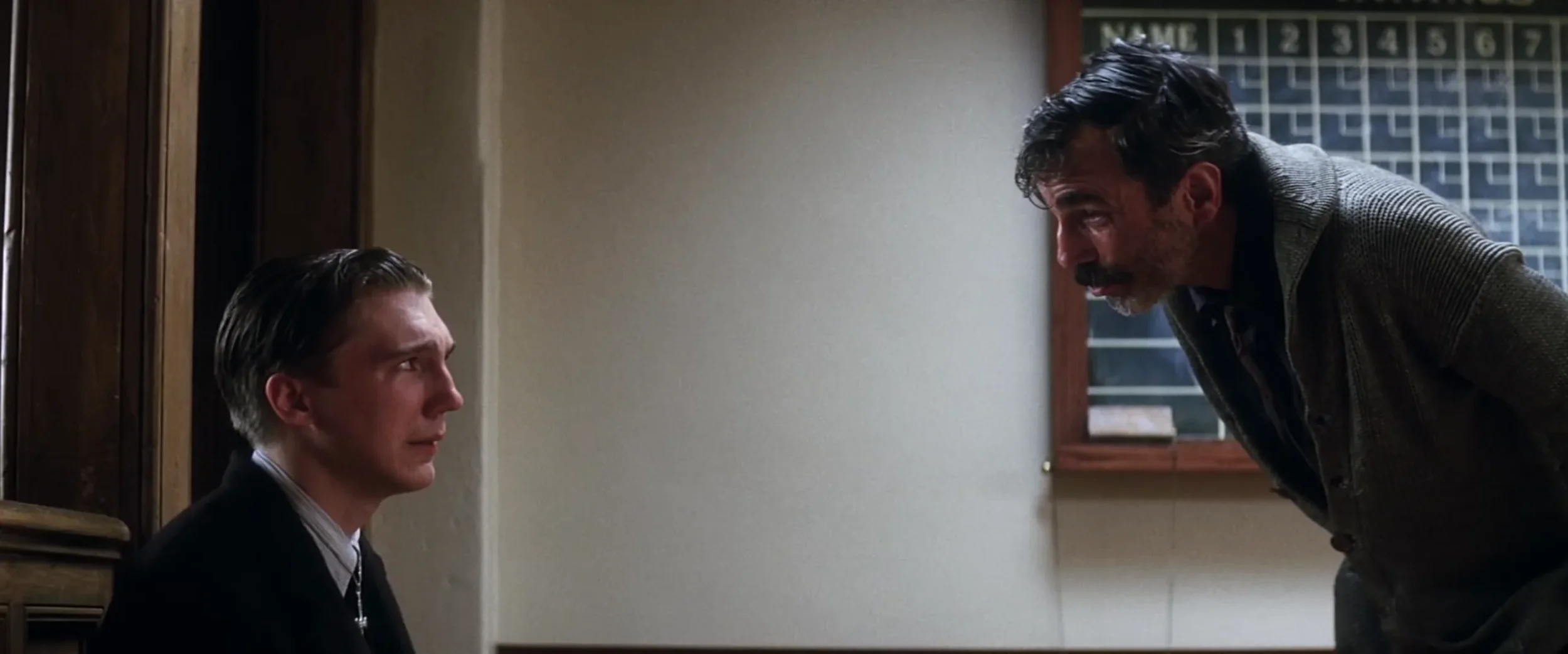
'There Will Be Blood' PHOTOFEST
Tarantino’s latest critique has reignited one of Hollywood’s longest-running conversations: what defines great acting, and who gets to decide?
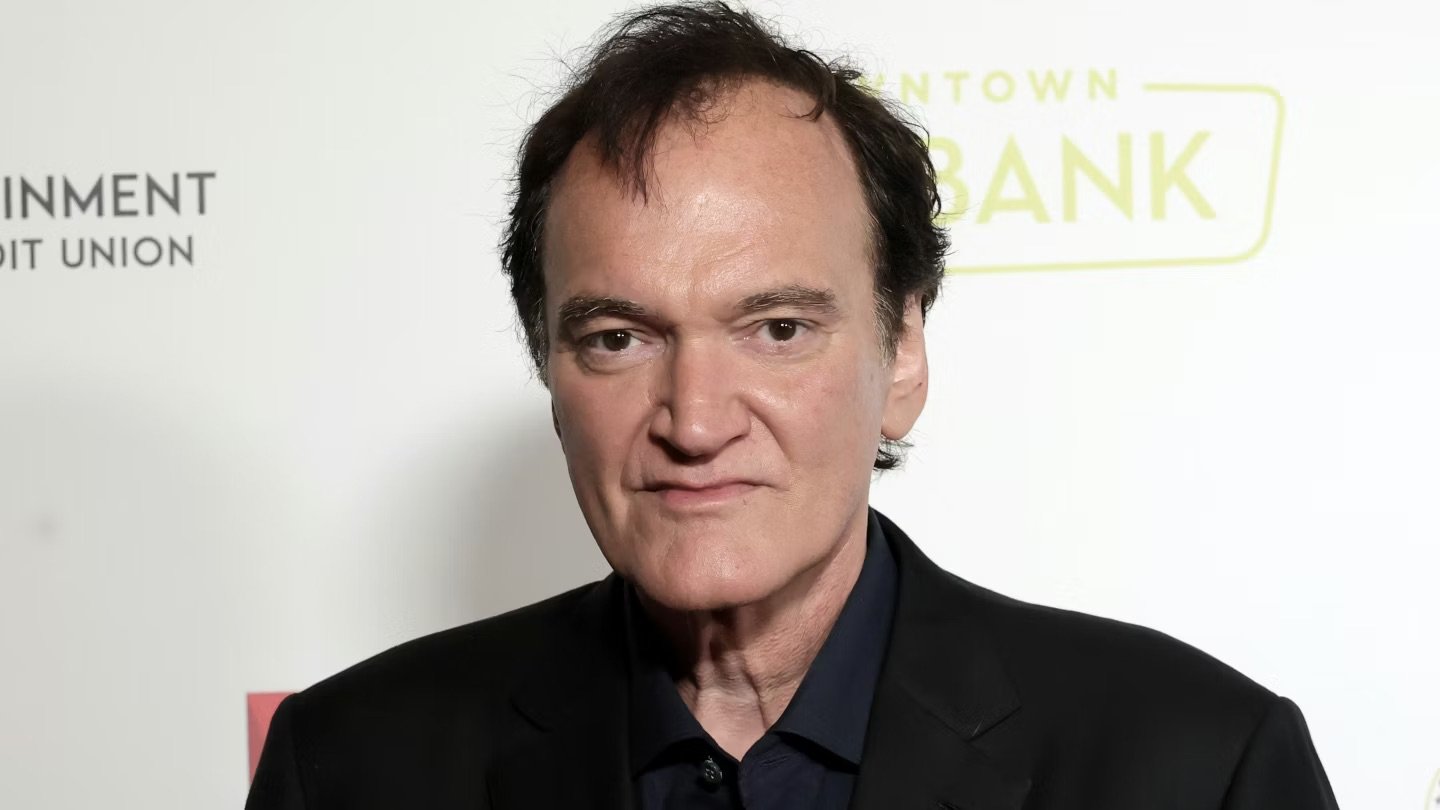
Quentin Tarantino has never been shy about his opinions, but his latest comments — calling Paul Dano the “weakest link” in Paul Thomas Anderson’s There Will Be Blood — have detonated through film circles with unusual force. The remark, made during a recent appearance on Brian Koppelman’s podcast, immediately reignited a long-simmering debate about Dano’s place in contemporary acting and the legacy of Anderson’s 2007 masterpiece.
For many critics and actors, There Will Be Blood is considered a near-perfect film, anchored by Daniel Day-Lewis’ volcanic turn as Daniel Plainview. But Dano’s performance as preacher Eli Sunday has long been polarizing — some call it brilliant, others see the seams. Tarantino firmly falls in the latter camp, saying he believes the role “needed someone stronger.”
Getty Images
The comment, predictably, sent social media into a frenzy. But inside the industry, the reaction was more nuanced and reveals why this moment matters. Dano, now one of Hollywood’s most respected character actors with acclaimed turns in The Fabelmans, Love & Mercy, Prisoners, and The Batman, is widely considered a chameleon — the kind of performer who disappears into roles so fully that audiences sometimes forget what he’s capable of. In the years since There Will Be Blood, his craft has only sharpened.
POPULAR ON THE CINEMA GROUP
What Tarantino’s critique touches — and why the debate has reignited so forcefully — is a deeper question about the film itself. There Will Be Blood is structured around Day-Lewis’ monolithic performance, the gravitational pull around which every other character must orbit. Dano’s energy, wiry and frantic, is deliberately positioned as a counterpoint. The question is no longer whether Dano “kept up,” but whether the film demanded he collapse under the weight of Day-Lewis’ fury.
Many filmmakers argue that’s precisely the point: Eli Sunday isn’t meant to equal Plainview — he’s devoured by him.
Even so, Tarantino’s influence is large enough that a single comment can reshape public discourse. Younger filmgoers are now revisiting There Will Be Blood with fresh eyes, reframing performances not as static achievements but as evolving texts. And the debate arrives at a moment when acting is being re-examined across the industry, from the rise of hypernaturalism to the resurgence of theatrical style.
In the end, the uproar says less about Dano’s performance and more about the power of auteur opinion in an era where a single take can reshape cultural memory. There Will Be Blood remains towering; Dano remains one of the most respected actors of his generation; and Tarantino, as always, remains the accelerant.






![WERWULF - Official Trailer [HD] - Only In Theaters Christmas](https://i.ytimg.com/vi/cmjpadVj-Vk/hqdefault.jpg)