‘Avatar: Fire and Ash’ First Reactions: James Cameron Unleashes His Darkest, Boldest, Most Emotional Pandora Yet
20TH CENTURY STUDIOS
Early reactions hail Cameron’s third Pandora epic as his most visually staggering and emotionally driven film to date — a sequel that pushes the franchise into new territory.
The first reactions to Avatar: Fire and Ash have arrived — and the early buzz suggests James Cameron has once again delivered a seismic blockbuster event. After years of speculation, delays, and near-
mythological expectations, the third film in Cameron’s long-term Pandora saga premiered to a wave of praise that positions it as both the franchise’s most ambitious entry and its most emotionally resonant.
Early viewers are calling the film darker, richer, and more character-driven than its predecessors. While Avatar (2009) reinvented visual-effects cinema and The Way of Water (2022) expanded Cameron’s world-building into oceanic depths, Fire and Ash reportedly takes the franchise into thematic territory that feels more mature, more morally complicated, and more emotionally wrenching.
One recurring reaction stands out: Cameron has crafted a film about consequences. The choices made in the first two installments — choices involving war, displacement, and survival — erupt here with devastating force. Critics describe the film as “the Empire Strikes Back of the franchise” not because it is bleak for its own sake, but because it forces the characters to face the cost of their past victories.
20TH CENTURY STUDIOS
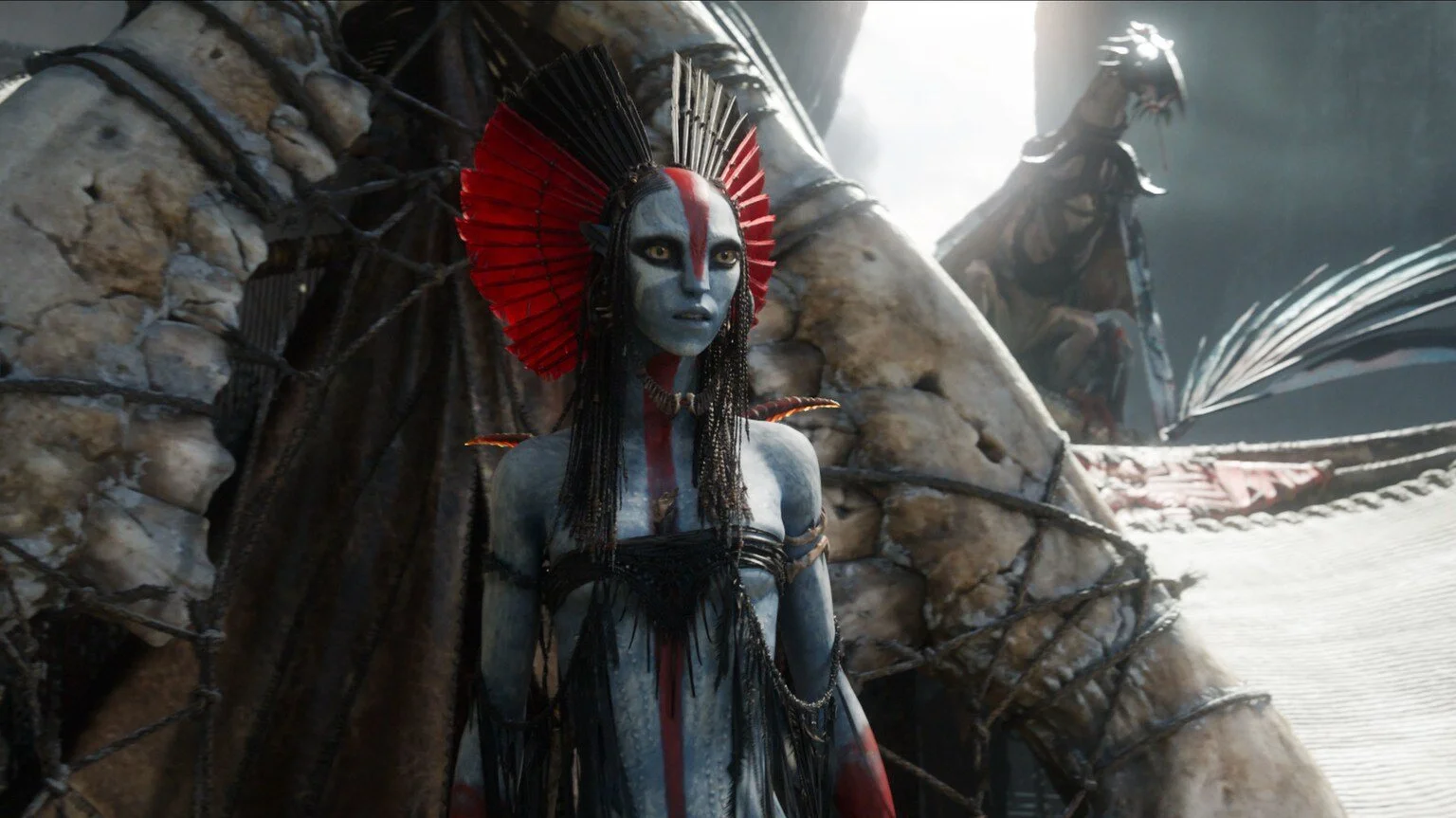
Visually, no surprise, Cameron has delivered another landmark. Early reactions praise the volcanic biomes of Pandora, the firelit ecosystems, and the technological leaps in performance capture and 3D rendering. Several critics say it surpasses The Way of Water in immersion — something few thought possible. The environments reportedly feel tactile, alive, both terrifying and awe-inspiring. One viewer described the film as “Cameron painting with lava.”
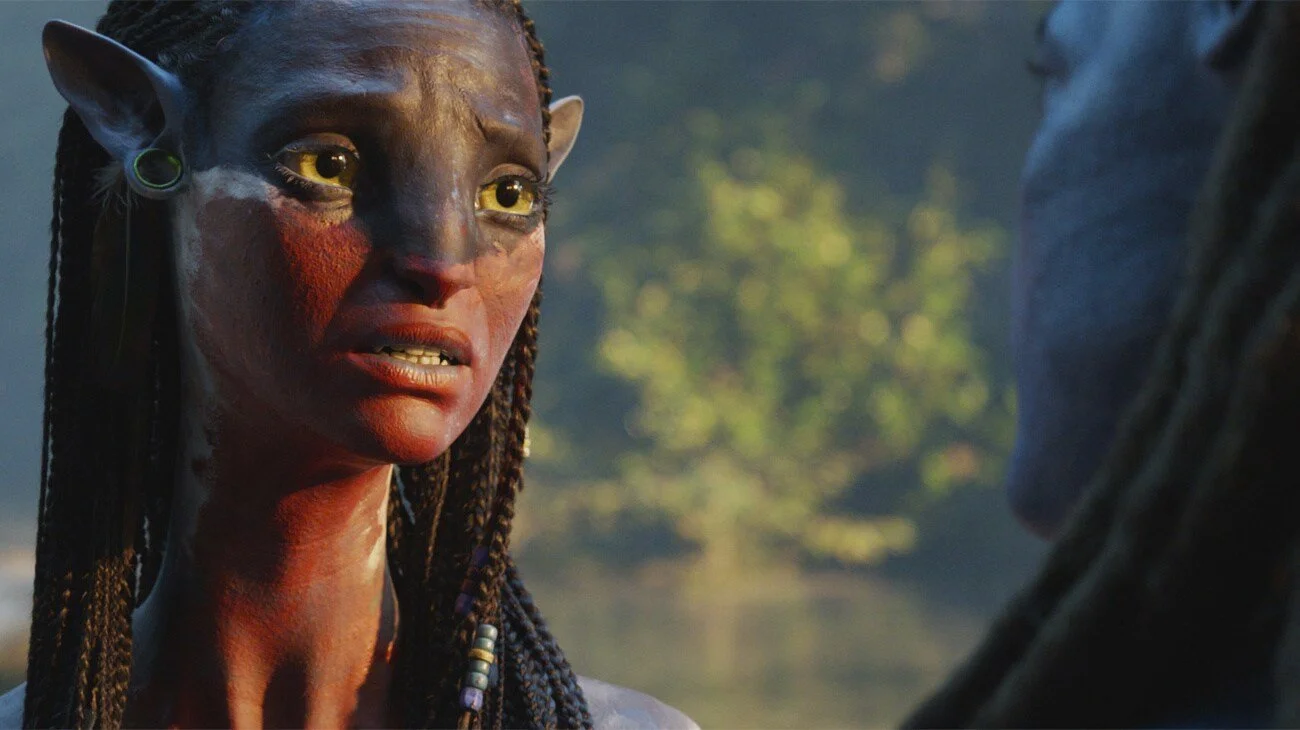
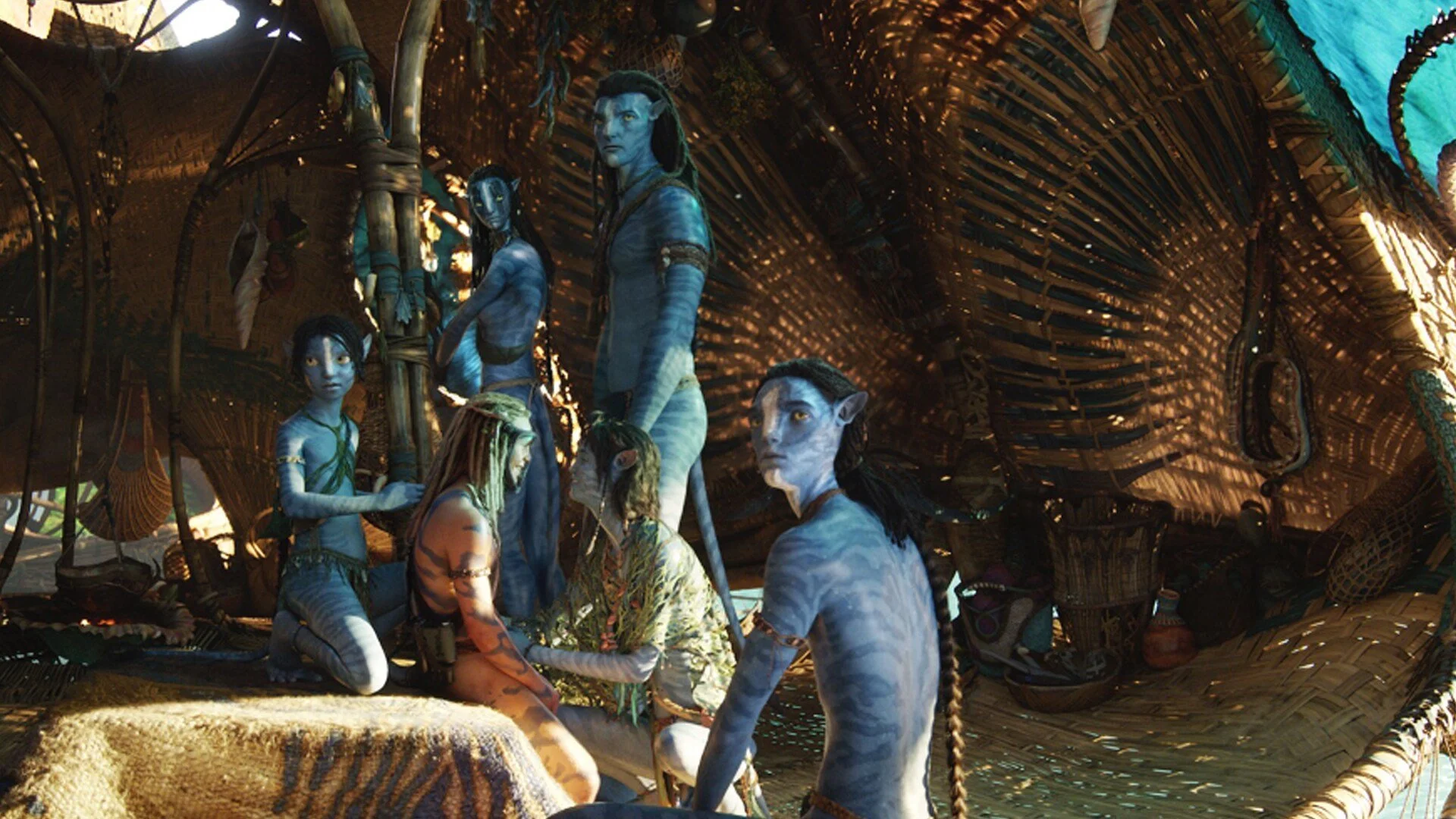
But beneath the spectacle lies a story anchored by emotional depth. The Sully family — now fractured, evolving, and pushed to their psychological limits — drives the film with performances that early viewers have hailed as the strongest in the franchise. Zoe Saldaña, in particular, is receiving standout praise for delivering what some are calling the series’ most devastating and complex Na’vi performance to date. Sam Worthington’s emotional arc is said to be the backbone of the narrative, and Sigourney Weaver’s continued evolution within the franchise continues to be singled out as one of its boldest creative choices.
20TH CENTURY STUDIOS
Cameron’s direction reportedly leans further into the mythological — with themes of exile, generational trauma, spiritual inheritance, and the escalating clash between Na’vi tradition and human technological intrusion. The stakes, viewers say, feel more massive than ever.
And yes: the action sequences are being called “Cameron at full power.” Critics cite a mid-film volcanic chase and a finale described as “a masterclass in tension and scale” — the kind of set pieces only Cameron seems capable of pulling off at this level.
POPULAR ON THE CINEMA GROUP
What’s most striking about the early reactions is not just the praise, but the sense that Fire and Ash reframes the franchise’s long-term trajectory. Cameron has always envisioned a sprawling, multi-film narrative, but this installment appears to be the emotional and mythic hinge point — the film that transforms Avatar from an evolving technical experiment into a generational epic.
As awards season approaches, the question will be whether Fire and Ash can break the long-standing ceiling for visual-effects-driven cinema. Early reactions say it’s possible. The film may very well contend in picture, director, cinematography, visual effects, and sound.
For now, what’s clear is this: Avatar: Fire and Ash is not just another sequel. It’s a turning point — a bold expansion of a world Cameron has spent decades building, and proof that the filmmaker is still leveling up.
Watch The Trailer Below:








![WERWULF - Official Trailer [HD] - Only In Theaters Christmas](https://i.ytimg.com/vi/cmjpadVj-Vk/hqdefault.jpg)