‘The Pitt’ Season 2 Review: HBO Max’s Most Human Drama Returns Stronger, Sharper, and Strangely Soothing
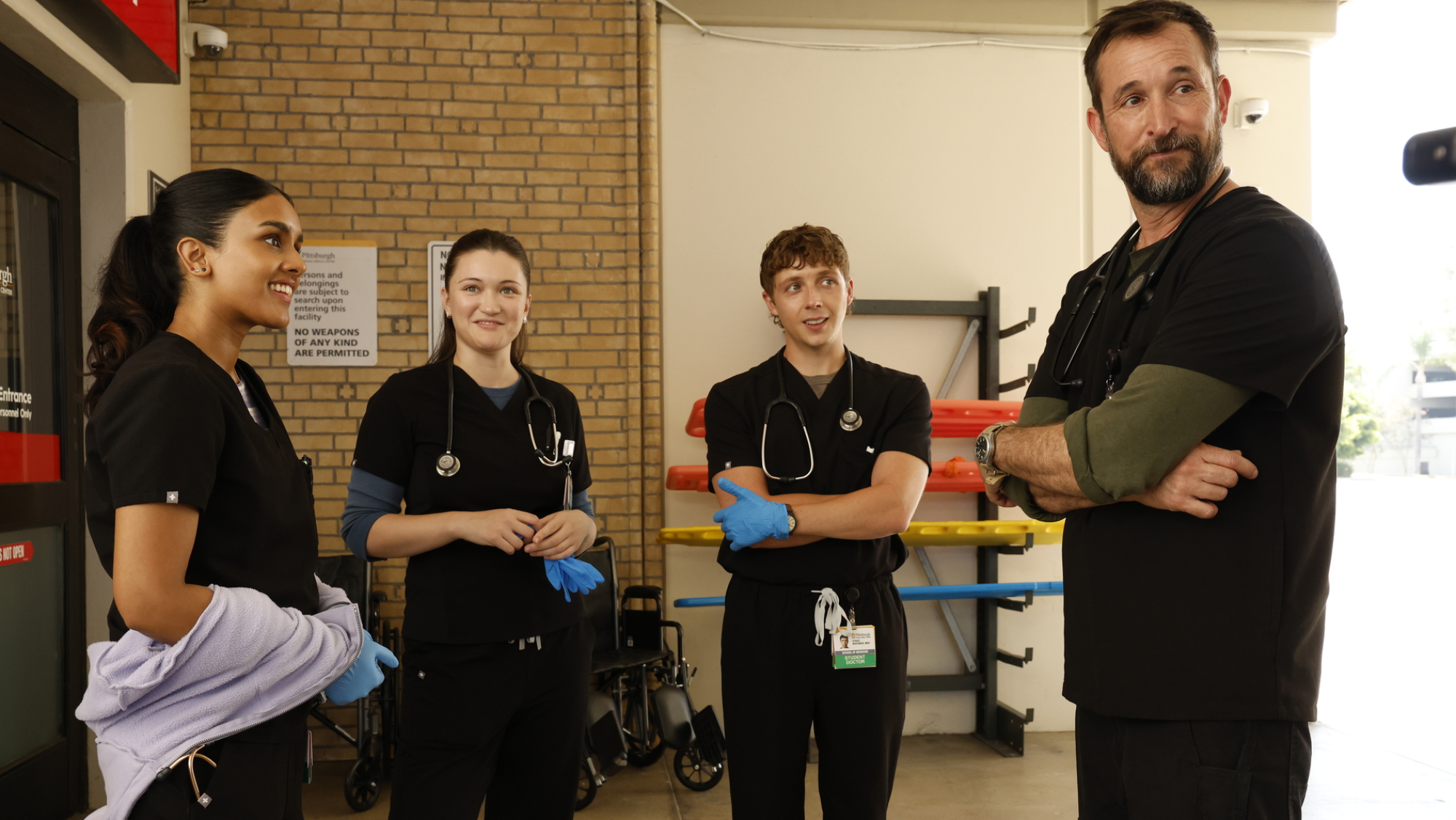
'The Pitt' WARRICK PAGE/HBOMAX
Season two of The Pitt doubles down on chaos, compassion, and craft — proving that precision, empathy, and character consistency can still feel radical on television.
There’s a moment early in the second season of The Pitt when a nurse casually explains how she survives the relentless emotional grind of emergency medicine. Her solution is deceptively simple: she leaves work at the hospital and escapes into reality television at home. It’s a small, human admission — and an unintentionally perfect thesis for why The Pittcontinues to work as well as it does.
On paper, The Pitt should not be comforting television. It is graphic, emotionally punishing, structurally relentless, and often devastating in its plausibility. And yet, against all odds, it remains one of the most reassuring shows currently on the air. Not because it downplays trauma or sanitizes the realities of modern medicine, but because it believes — stubbornly, almost defiantly — in competence, care, and collective responsibility.
Season two doesn’t reinvent the series. Instead, it refines it. The real-time urgency remains intact. The procedural density is sharper. The emotional stakes are broader without becoming melodramatic. And the ensemble, now fully settled into its rhythms, moves with the confidence of people who know exactly what kind of show they’re making — and why it matters.

Set across a single July Fourth shift, the second season once again traps its characters inside Pittsburgh Trauma Medical Center as fireworks, alcohol, and summer recklessness collide with human fragility. The holiday backdrop isn’t subtle, nor does it need to be. Patriotism here isn’t spectacle — it’s endurance. It’s survival. It’s triage.
HBOMAX
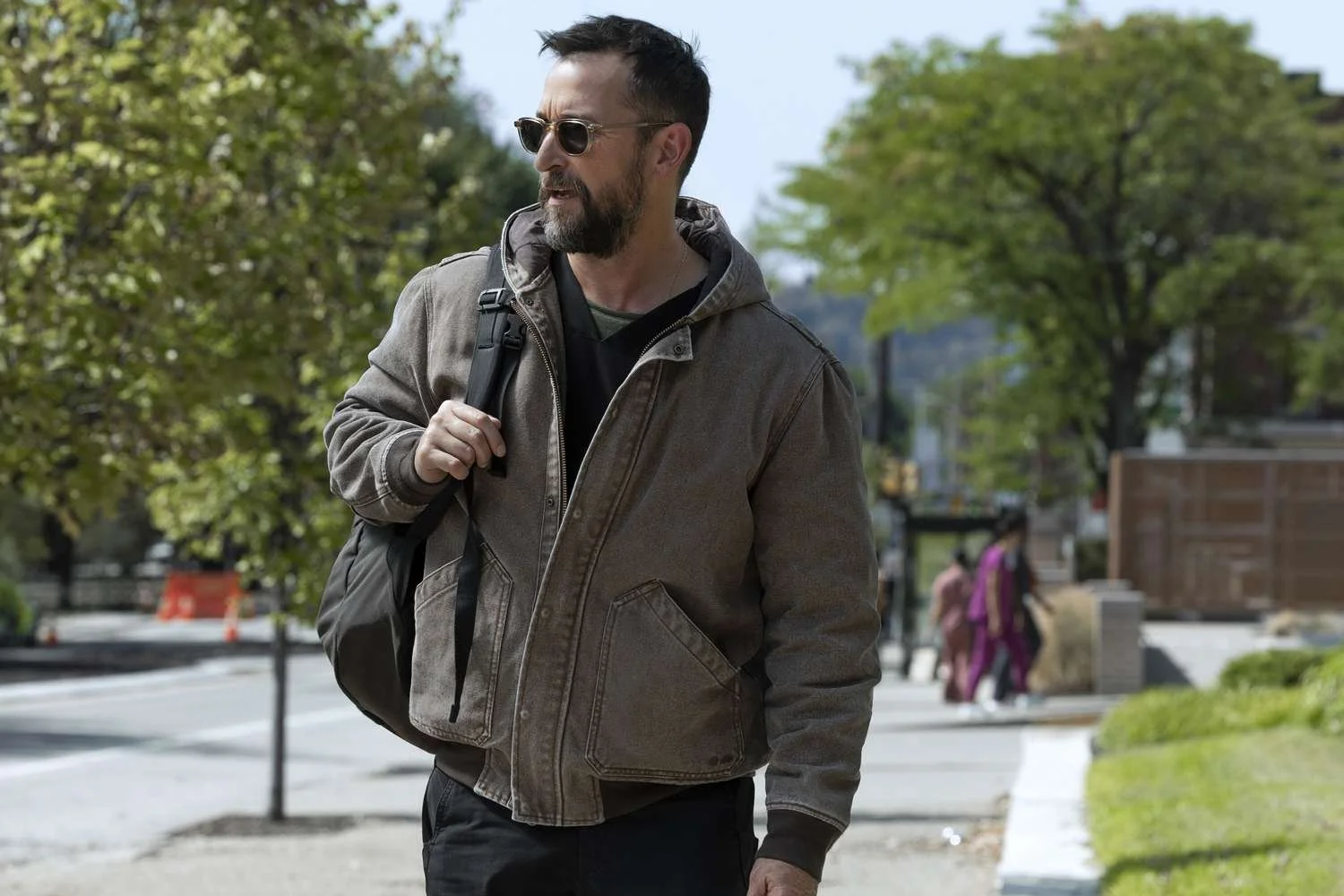
At the center remains Dr. Robby, played with quiet authority by Noah Wyle, whose performance continues to anchor the series. Robby isn’t written as a genius savior or tortured antihero. He is decent. He is exhausted. He is deeply ethical. And in a television landscape crowded with abrasive protagonists, that steadiness feels almost radical.
Season two introduces change without destabilization. Ten months have passed since the events of the first season, and that time jump matters. Former rookies have hardened into capable professionals. Hierarchies have shifted subtly. Relationships have calcified or healed. The show trusts viewers to notice these evolutions without exposition-heavy reminders, allowing character growth to emerge organically through action.
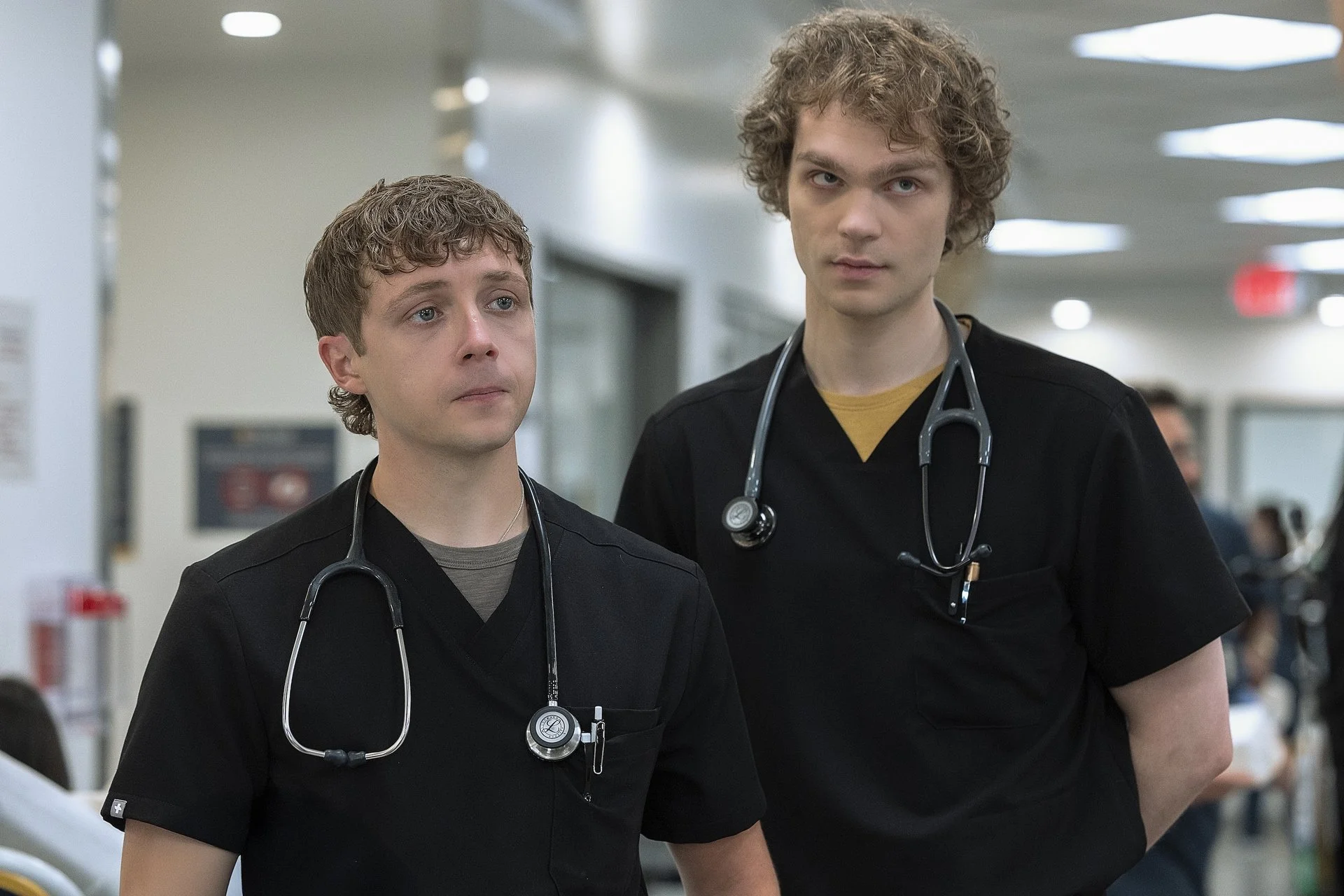
'The Pitt' WARRICK PAGE/HBOMAX
Whitaker, in particular, emerges as a quiet standout — no longer tentative, no longer overwhelmed, but still guided by empathy rather than ego. His arc isn’t about mastery; it’s about responsibility. Santos and Javadi, too, feel more grounded, no longer audience surrogates but full participants in the machinery of the ER. Meanwhile, Dr. Langdon’s return from rehab introduces a thread of accountability that never veers into sentimentality. Redemption here is earned through consistency, not speeches.
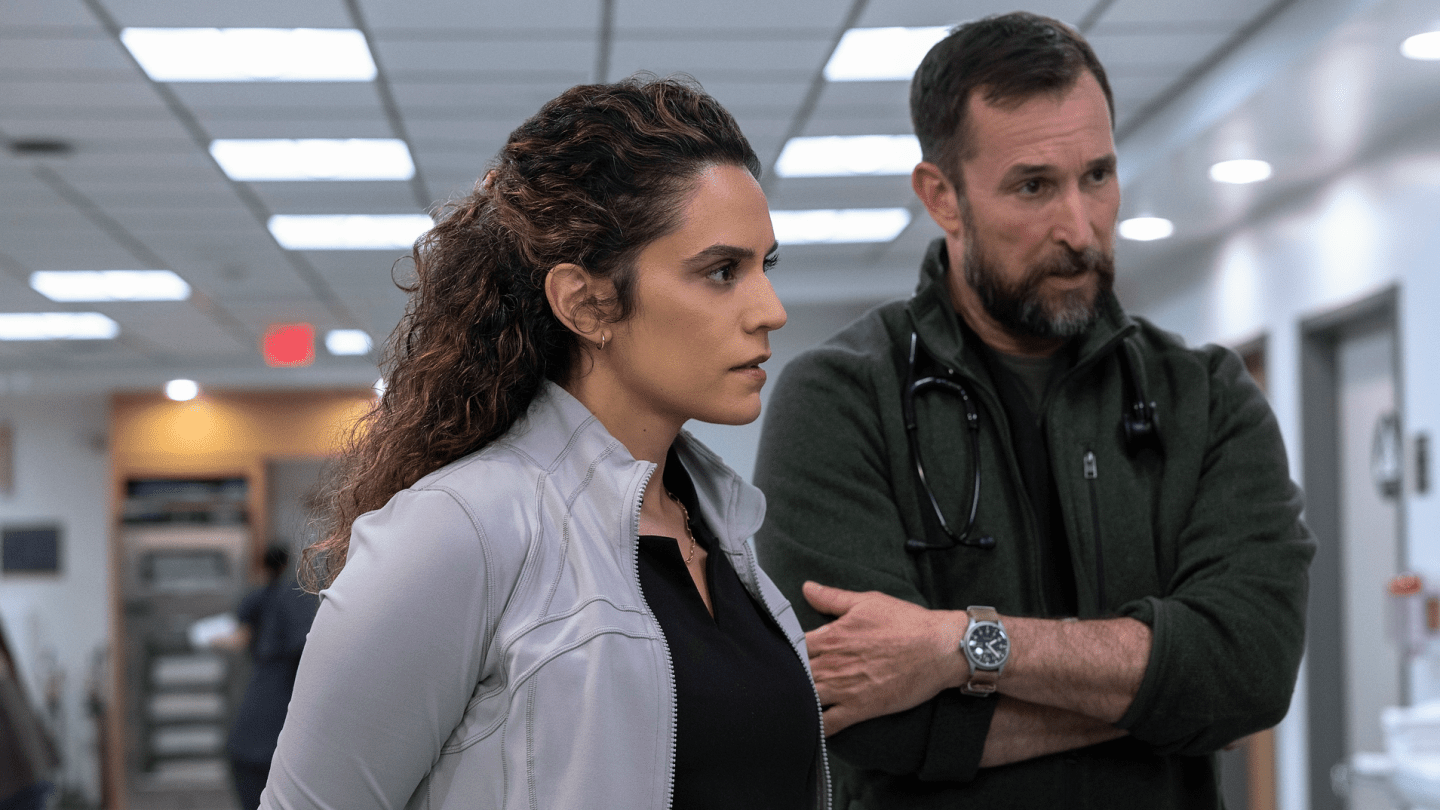
New arrivals bring friction rather than novelty for novelty’s sake. Two incoming med students disrupt the existing equilibrium, not because they are incompetent, but because they lack humility. The choice to frame them as interlopers rather than audience stand-ins is deliberate — a reminder that this is now a world with history. You don’t arrive here neutral. You arrive behind.
'The Pitt' WARRICK PAGE/HBOMAX
Similarly, the introduction of a new attending physician temporarily displacing Robby creates philosophical tension rather than procedural chaos. Her approach to medicine is more experimental, more system-focused, and less instinct-driven. The early episodes intentionally resist her perspective, aligning viewers with Robby’s skepticism — until the show quietly, patiently complicates that allegiance. It’s a rare example of television allowing ideological discomfort to sit unresolved rather than forcing moral clarity.
What continues to distinguish The Pitt is its refusal to flatten complexity. Episodes bounce effortlessly between tonal extremes: absurd injuries, dark humor, bureaucratic cruelty, quiet grace. A comedic beat involving self-inflicted stupidity can exist just feet away from terminal illness, and neither cheapens the other. This isn’t tonal whiplash — it’s lived reality.
'The Pitt' WARRICK PAGE/HBOMAX
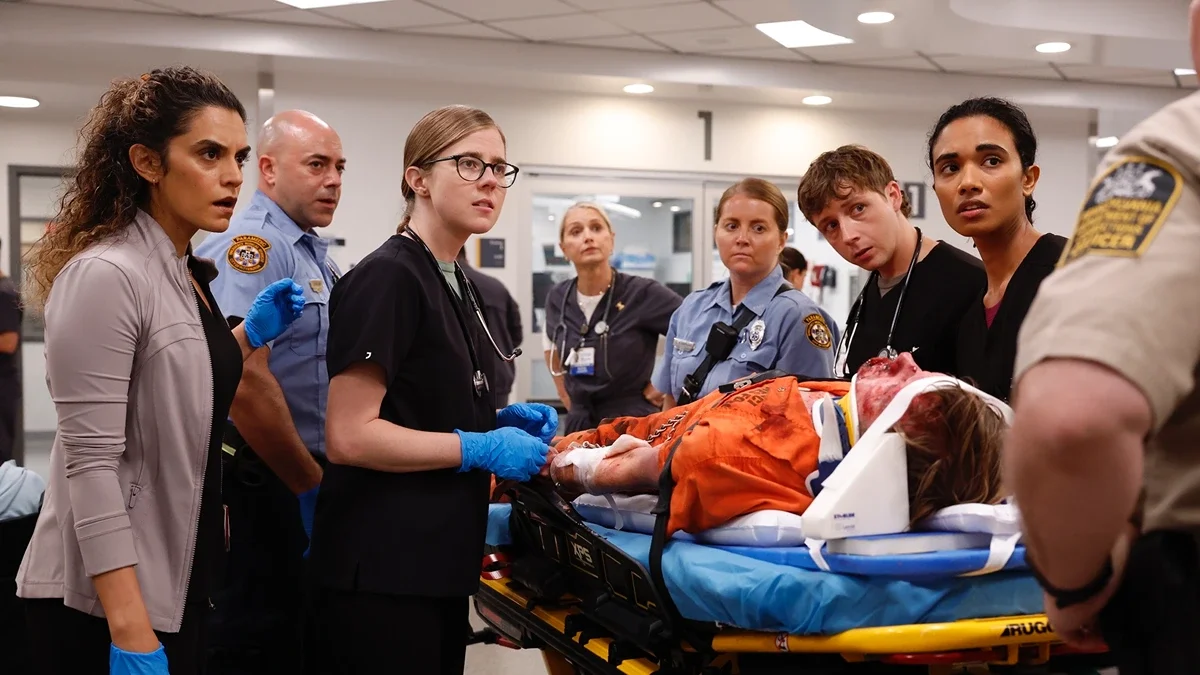
The series remains politically aware without becoming performative. Health insurance, immigration, medical debt, and systemic failure are woven into storylines rather than announced as themes. A diabetic father refusing treatment due to financial fear carries more weight than any monologue ever could. A child injured amid immigration enforcement tells a broader story without reducing itself to symbolism.
Technology becomes one of season two’s most compelling undercurrents. Generative AI tools, digital failures, and administrative pressure force the staff to confront the limits of automation in spaces where intuition and trust still matter. The show isn’t anti-technology, nor is it utopian. Instead, it positions machines as tools — powerful, flawed, and dangerous when divorced from human judgment.
POPULAR ON THE CINEMA GROUP
Visually, the series remains controlled and immersive. The camera never aestheticizes suffering, yet it refuses to flinch. Editing remains surgical, guiding viewers through overlapping emergencies without disorientation. Sound design amplifies chaos without overwhelming clarity. Everything works in service of urgency.
Most importantly, The Pitt continues to believe in people. Not idealized people. Not heroic people. Just people doing their best under impossible conditions. In an era defined by institutional collapse and public distrust, that belief feels quietly radical.
Season two doesn’t shout its importance. It doesn’t posture. It doesn’t chase spectacle. It simply shows up, shift after shift, insisting that empathy is a discipline — and that competence, when paired with care, can still be a form of hope.
Rating: ★★★★½
That's A Wrap
|
The Pitt S2
|
That's A Wrap | The Pitt S2 |
“Relentless yet deeply humane, ‘The Pitt’ transforms medical chaos into something strangely restorative. It’s thrilling, gory, and emotionally precise — a drama powered not by spectacle, but by competence, compassion, and the quiet heroism of people who show up every day.”
CREDITS
Airdate: Thursday, January 8 | HBO Max
Cast: Noah Wyle, Patrick Ball, Katherine LaNasa, Supriya Ganesh, Fiona Dourif, Taylor Dearden, Isa Briones, Gerran Howell, Shabana Azeez, Sepideh Moafi
Creator: R. Scott Gemmill
Out Now: Streaming on HBO Max
Rating: TV-MA
Watch The Trailer Below:






![WERWULF - Official Trailer [HD] - Only In Theaters Christmas](https://i.ytimg.com/vi/cmjpadVj-Vk/hqdefault.jpg)