‘Euphoria’ Season 3 Review: Zendaya Delivers a Career-Level Performance in a Divisive Return

Photograph by Patrick Wymore/HBO
Zendaya remains magnetic, but ‘Euphoria’ Season 3 pushes Sam Levinson’s HBO drama into territory where its provocations feel less dangerous and more familiar.
There aren’t many shows where the gap between audacious moments that move or amaze and complacent stretches that frustrate is as wide as it is in Sam Levinson’s ‘Euphoria’. That tension has defined the series since its beginning, but in Season 3 it becomes harder to ignore as the characters move into young adulthood and the show attempts to carry its original volatility into a world that no longer reacts the same way.
The question that has followed the series since its early episodes remains unresolved: is ‘Euphoria’ actually a provocative drama, or is it an exploitative one that only felt provocative because it was centered on teenagers operating at emotional extremes? Season 3 doesn’t fully answer that question, but it does sharpen it by removing the high school framework that once gave the chaos structure.
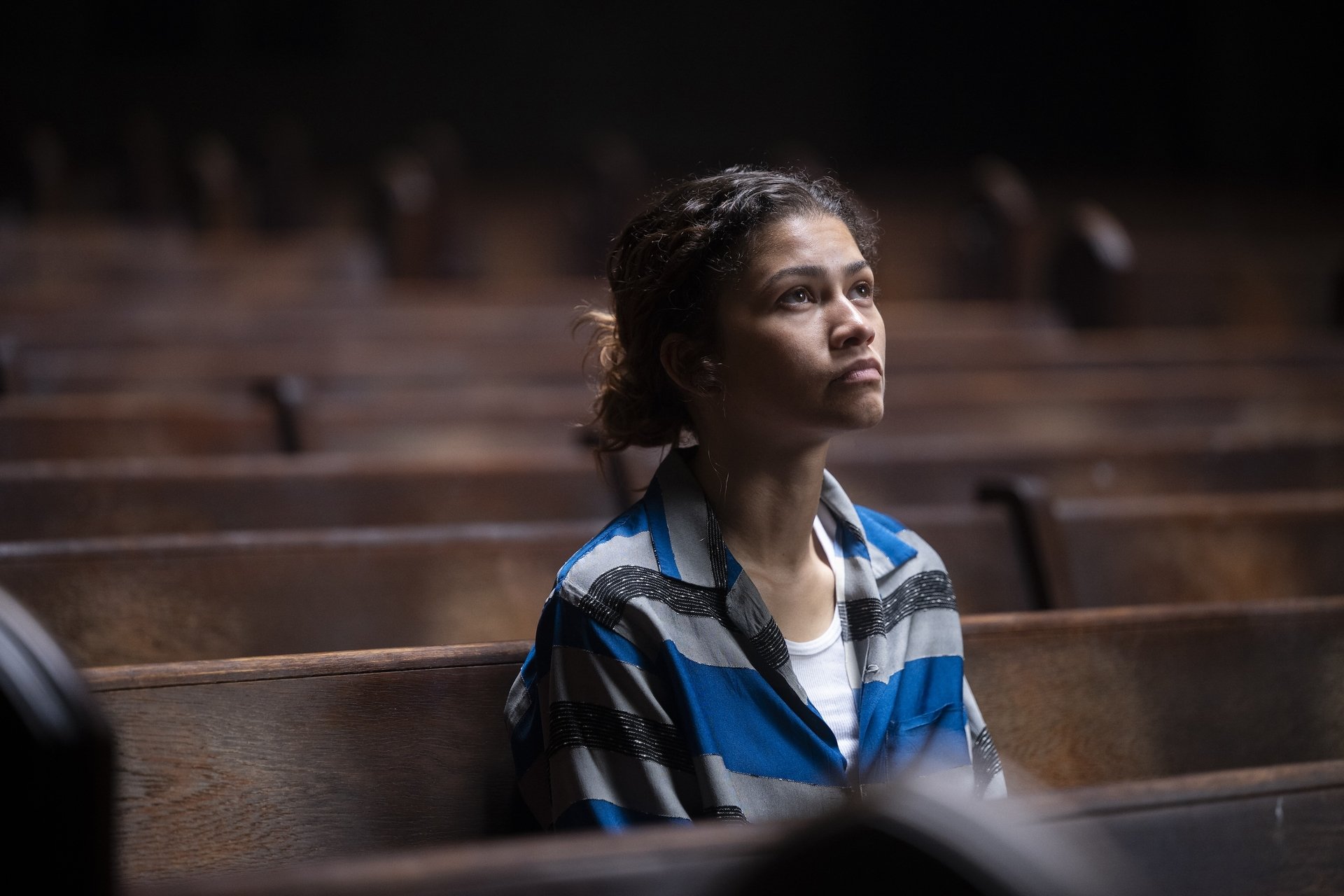
What still anchors the series is Zendaya. Her performance as Rue remains one of the most compelling forces on television, capable of grounding even the most uneven material with a level of control and emotional precision that the surrounding show often lacks.
Photograph by Patrick Wymore/HBO
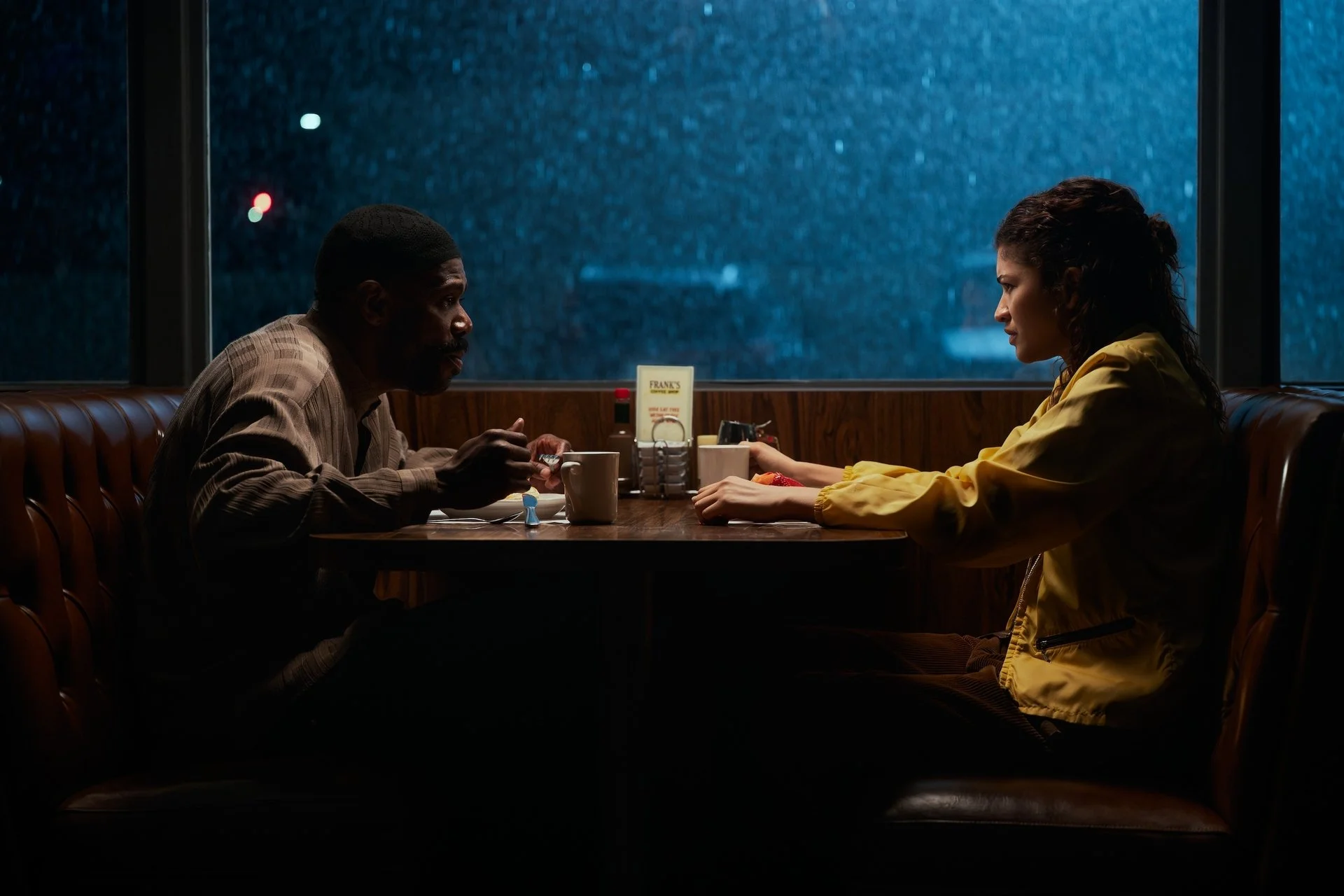
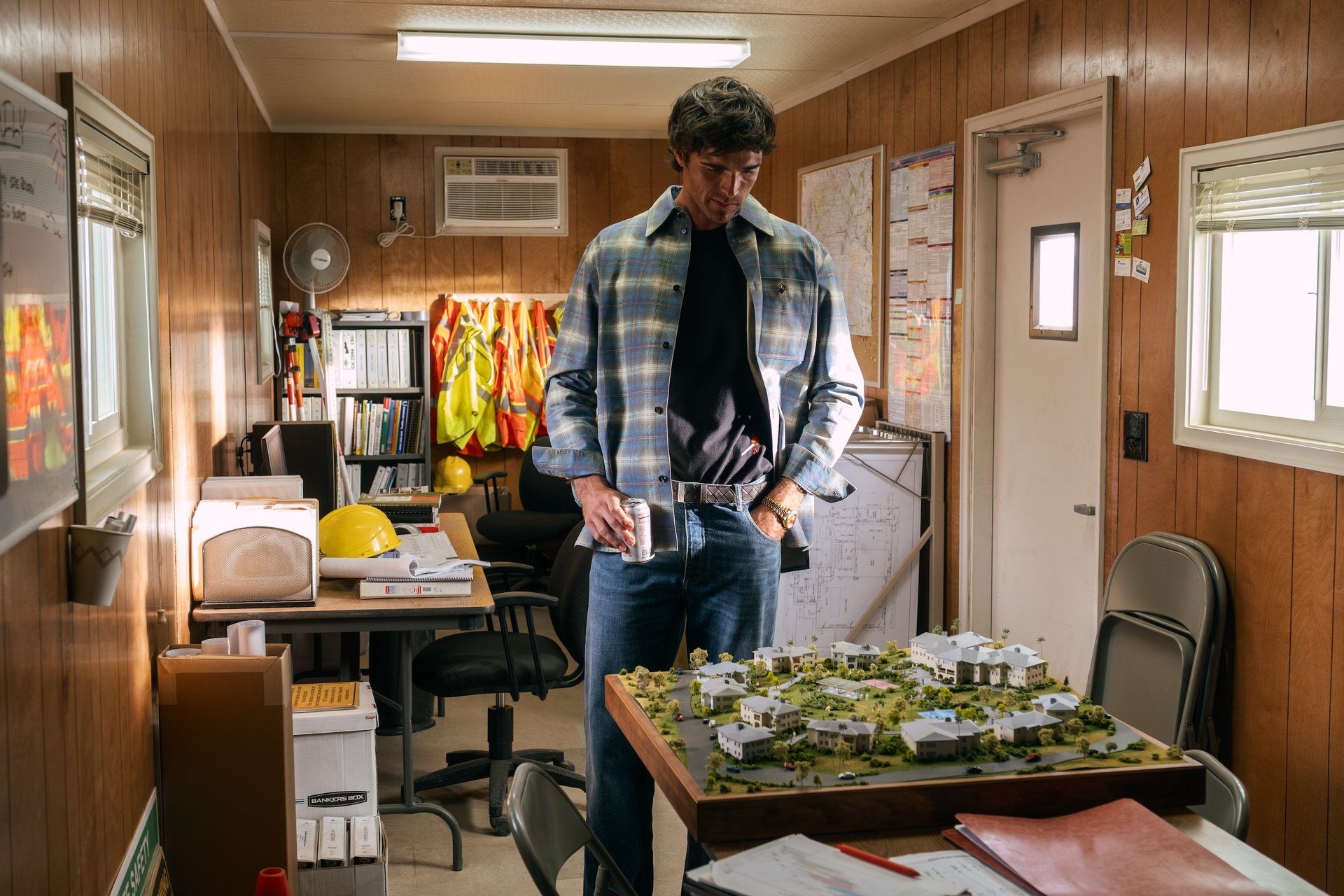
The three episodes made available to critics immediately signal a shift in tone and structure. Rue is now pulled into increasingly unstable circumstances involving drug runs and survival-level deals that push her into morally and physically precarious spaces. Cassie turns toward OnlyFans as both performance and escape, while Nate steps into his father’s real estate empire, extending the show’s fixation on control, image, and inherited power into adulthood.
The shift in age should theoretically expand the series’ scope, but instead it exposes how dependent ‘Euphoria’ once was on adolescent instability to generate urgency. What used to feel volatile and unpredictable now often feels familiar, with escalation replacing emotional discovery in ways that sometimes flatten the impact.
POPULAR ON THE CINEMA GROUP
Levinson’s creative approach remains consistent. Excess continues to function as the show’s language, spectacle as its argument, and discomfort as its aesthetic. The series still moves between moments of striking invention and sequences that feel indulgent or overstated, sometimes within the same episode, and that push and pull defines much of the experience here.
Rue’s storyline is the only one with consistent forward momentum, particularly in a surreal opening stretch that captures Levinson’s ability to balance absurdity and tension. Around her, however, the ensemble is uneven. Some characters feel meaningfully reintroduced into adulthood, while others are left drifting, no longer supported by the urgency that once defined them.

Photograph by Patrick Wymore/HBO
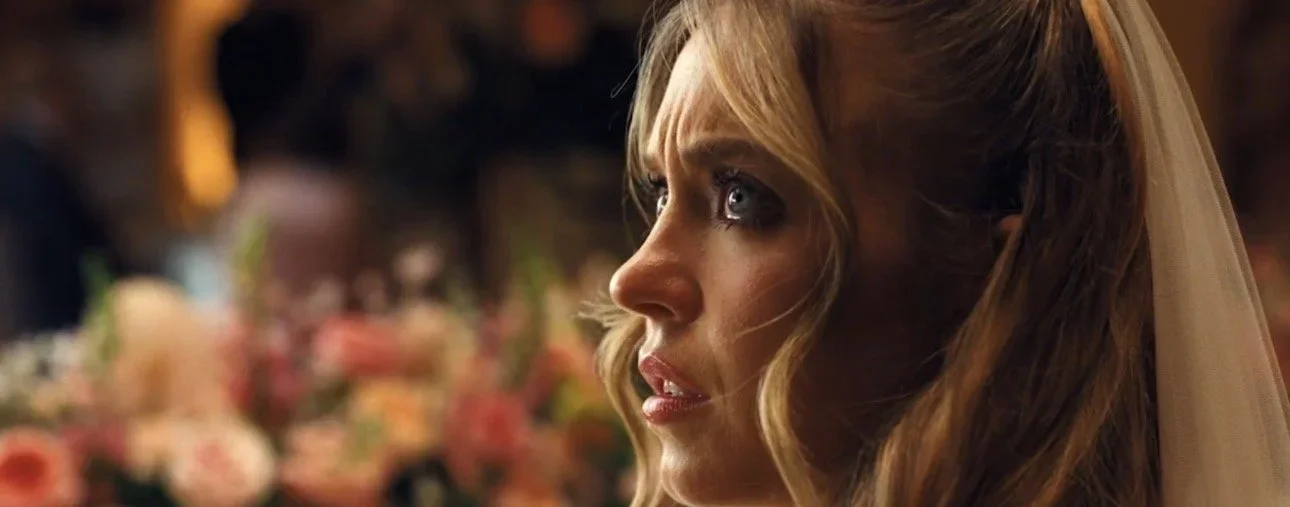
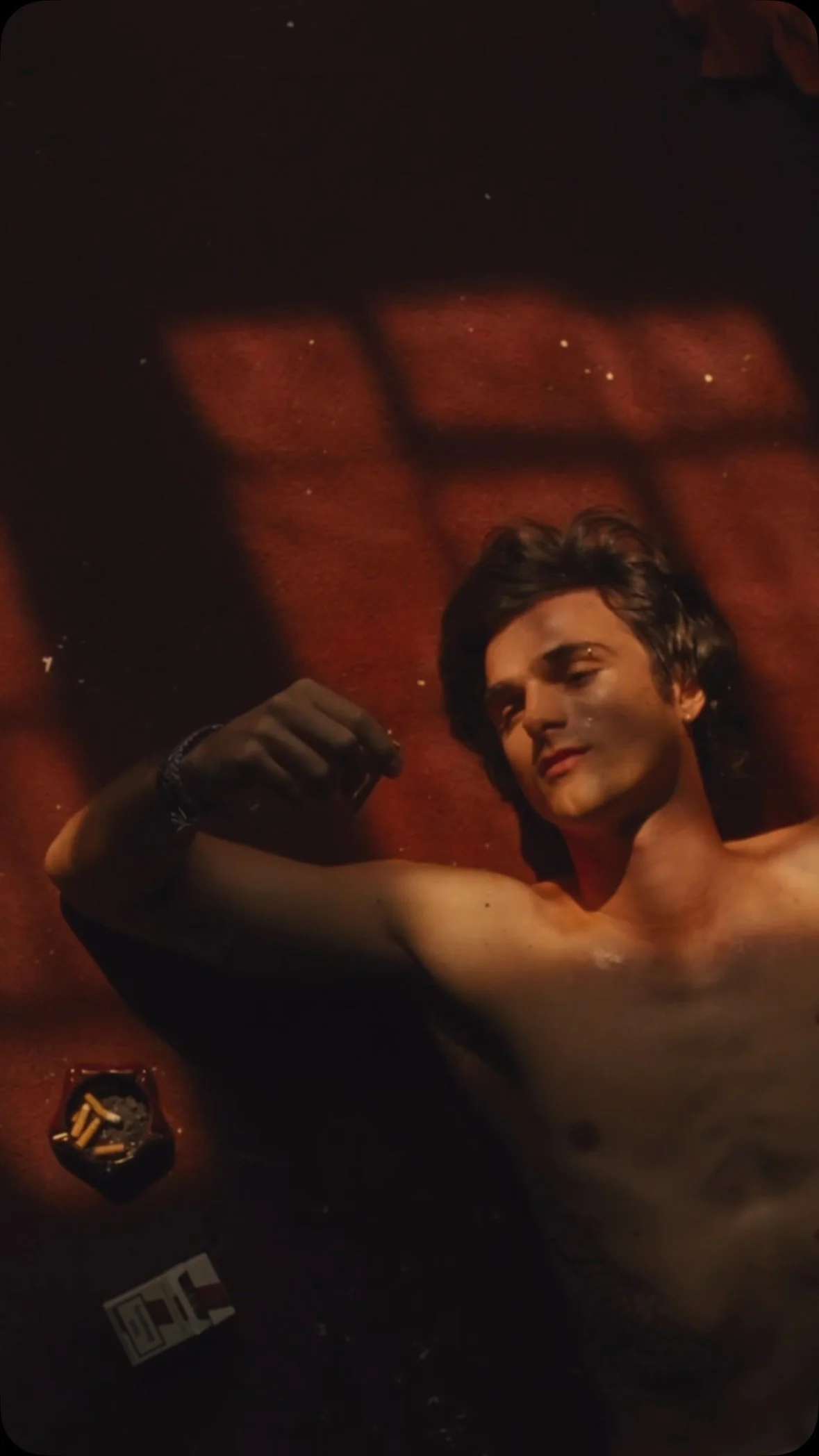
Cassie’s arc in particular highlights the show’s ongoing tension with performance and objectification, as her shift into online spaces becomes both narrative engine and commentary on image culture. But the framing around her often feels less like evolution and more like repetition of familiar ideas, just placed in a different setting.
Elsewhere, Nate’s transformation into a figure within his father’s real estate world reinforces the series’ broader critique of American ambition, turning wealth and control into extensions of identity rather than consequences of action. It’s a thematic expansion that feels present but not fully integrated into the emotional core of the season.
Photograph by Patrick Wymore/HBO
As the episodes progress, Levinson leans further into a broader critique of American capitalism, using stylized imagery and genre references to frame the characters within systems of power, exploitation, and consumption. The ambition is clear, but the execution often circles familiar ground, hovering on surface-level interpretations of wealth, sex, and identity without always deepening them.
Through it all, Zendaya remains the defining presence. She continues to deliver a performance that feels both controlled and instinctive, capable of meeting the tonal extremes around her without losing emotional clarity. Even when Rue risks becoming structurally repetitive, Zendaya finds new shading within familiar patterns, keeping the character alive in ways the writing does not always support.
Photograph by Patrick Wymore/HBO
The supporting ensemble is more uneven. Some characters are given space to evolve within the time jump, while others feel sidelined or underutilized, creating a sense of imbalance across storylines. The result is a season that feels expansive in idea but inconsistent in execution.
By the end of the episodes provided, Season 3 feels less like a fully realized continuation and more like a transitional phase still searching for equilibrium. It retains the visual ambition and stylistic identity that made ‘Euphoria’ culturally dominant in its early seasons, but the emotional cohesion is less stable than before.
RATING: ★★★½☆
THAT’S A WRAP
|
Euphoria S3
|
THAT’S A WRAP | Euphoria S3 |
“Zendaya continues to anchor ‘Euphoria’ with precision and control, but Season 3 exposes a widening gap between the show’s ambition and its emotional impact, leaving it compelling in bursts but uneven as a whole.”
CREDITS
Airdate: Sunday, April 12, 2026 | HBO
Cast: Zendaya, Hunter Schafer, Eric Dane, Jacob Elordi, Sydney Sweeney, Alexa Demie, Maude Apatow, Martha Kelly, Chloe Cherry, Adewale Akinnuoye-Agbaje, Toby Wallace
Creator: Sam Levinson
Out Now: HBO / Streaming weekly
Rating: TV-MA
Watch The trailer Below:
| FEATURES | INTERVIEWS | REVIEWS | The Catalogue | TRENDING | TRAILERS | VIDEOS |





![WERWULF - Official Trailer [HD] - Only In Theaters Christmas](https://i.ytimg.com/vi/cmjpadVj-Vk/hqdefault.jpg)