Warner Bros. Discovery Sets Shareholder Vote for Paramount Skydance Sale as $110 Billion Deal Moves Forward
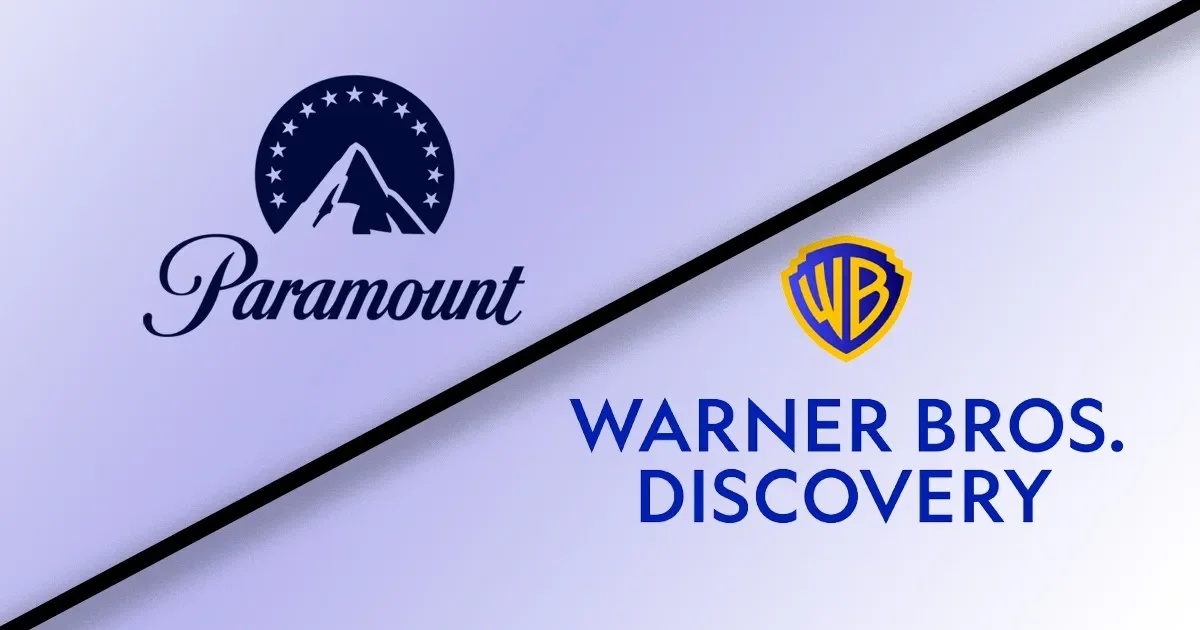
Paramount / Warner bros Discovery
The next phase of Hollywood’s biggest merger is set — and the industry is about to find out if shareholders are fully on board.
Warner Bros. Discovery has set April 23 as the date for a pivotal shareholder vote on its proposed sale to David Ellison’s Paramount Skydance, marking a major step forward in one of the most consequential media mergers in recent years. The vote, scheduled for 10 a.m. ET, will determine whether shareholders formally approve a deal that would reshape the structure of modern Hollywood and consolidate two of the industry’s most significant players under one roof.
The terms of the agreement underline just how aggressive the offer is. Paramount has agreed to pay Warner Bros. Discovery shareholders $31 per share in cash, representing a 147% premium over the company’s unaffected stock price prior to deal speculation. That kind of premium is designed to eliminate hesitation, framing the transaction not as a long-term gamble but as an immediate value unlock for shareholders who have watched the company navigate years of restructuring, cost-cutting and shifting strategy.
At the same time, the deal carries enormous scale. With an enterprise value of approximately $110 billion and a combined net debt load nearing $79 billion, the merger is not simply a financial transaction but a structural realignment of the media landscape. If approved and cleared by regulators, the combined entity would instantly become one of the most powerful content and distribution companies in the world, spanning film, television and streaming in a way few competitors can match.
The boards of both companies have already unanimously approved the agreement, and Warner Bros. Discovery leadership is actively urging shareholders to follow suit. In its proxy filings, the company emphasized that the deal represents the most certain path to maximizing the value of its assets, positioning the merger as both a financial opportunity and a strategic necessity in an increasingly consolidated industry.
Still, the vote comes with more than just shareholder returns at stake. Executives have made clear that the merger is expected to generate approximately $6 billion in cost savings, a figure that almost inevitably implies significant operational changes. While leadership has suggested that layoffs will not be the primary driver of those reductions, history suggests otherwise. Previous consolidation efforts, including the Disney-Fox merger, resulted in widespread job losses and a noticeable contraction in theatrical output, raising concerns that this deal could follow a similar trajectory.
Those concerns are already beginning to surface at both the state and federal level. Lawmakers and unions have signaled that they are monitoring the potential impact on jobs, consumer pricing and overall competition within the entertainment sector. Although the Department of Justice has not moved to block the transaction at this stage, regulatory scrutiny is expected to intensify as the process moves closer to completion, particularly given the scale of the combined company and its potential influence across multiple segments of the industry.
The financial mechanics of the deal also reflect the level of effort required to bring it together. Paramount paid a $2.8 billion breakup fee to Netflix after Warner Bros. Discovery exited a previous agreement, underscoring the competitive nature of the bidding process. The involvement of Larry Ellison, who personally guaranteed the equity portion of the transaction, further highlights the high stakes and long-term commitment behind the merger.
POPULAR ON THE CINEMA GROUP
For Warner Bros. Discovery CEO David Zaslav, the deal represents both an endpoint and a transition. After years of restructuring the company following the WarnerMedia and Discovery merger, this transaction effectively hands control of the next phase to a new leadership structure. Zaslav himself is expected to receive compensation and benefits exceeding $700 million upon the deal’s completion, a figure that will also be subject to an advisory shareholder vote during the April meeting.
What happens next depends on several variables, but the timeline is becoming clearer. If shareholders approve the deal and regulatory hurdles are cleared, Paramount has indicated that it expects the transaction to close in the third quarter of 2026. Should the closing extend beyond September 30, shareholders will receive a quarterly “ticking fee,” adding another layer of financial incentive to complete the process without delay.

The broader implications of the merger extend well beyond a single company. Hollywood has been steadily consolidating for years, with fewer studios controlling larger portions of the market. The combination of Paramount and Warner Bros. Discovery would accelerate that trend, creating a company with the scale to compete globally but also raising questions about diversity of content, competition and long-term industry health.
The upcoming vote will not answer all of those questions, but it will determine whether the deal moves from possibility to inevitability. For shareholders, it is a decision about immediate value and future positioning. For the industry, it is another step toward a landscape defined by fewer, larger players with greater control over what gets made and how it reaches audiences.
| FEATURES | INTERVIEWS | REVIEWS | The Catalogue | TRENDING | TRAILERS | VIDEOS |










![WERWULF - Official Trailer [HD] - Only In Theaters Christmas](https://i.ytimg.com/vi/cmjpadVj-Vk/hqdefault.jpg)