Oscars Set to Leave Dolby Theatre for L.A. LIVE in Major 2029 Relocation Deal
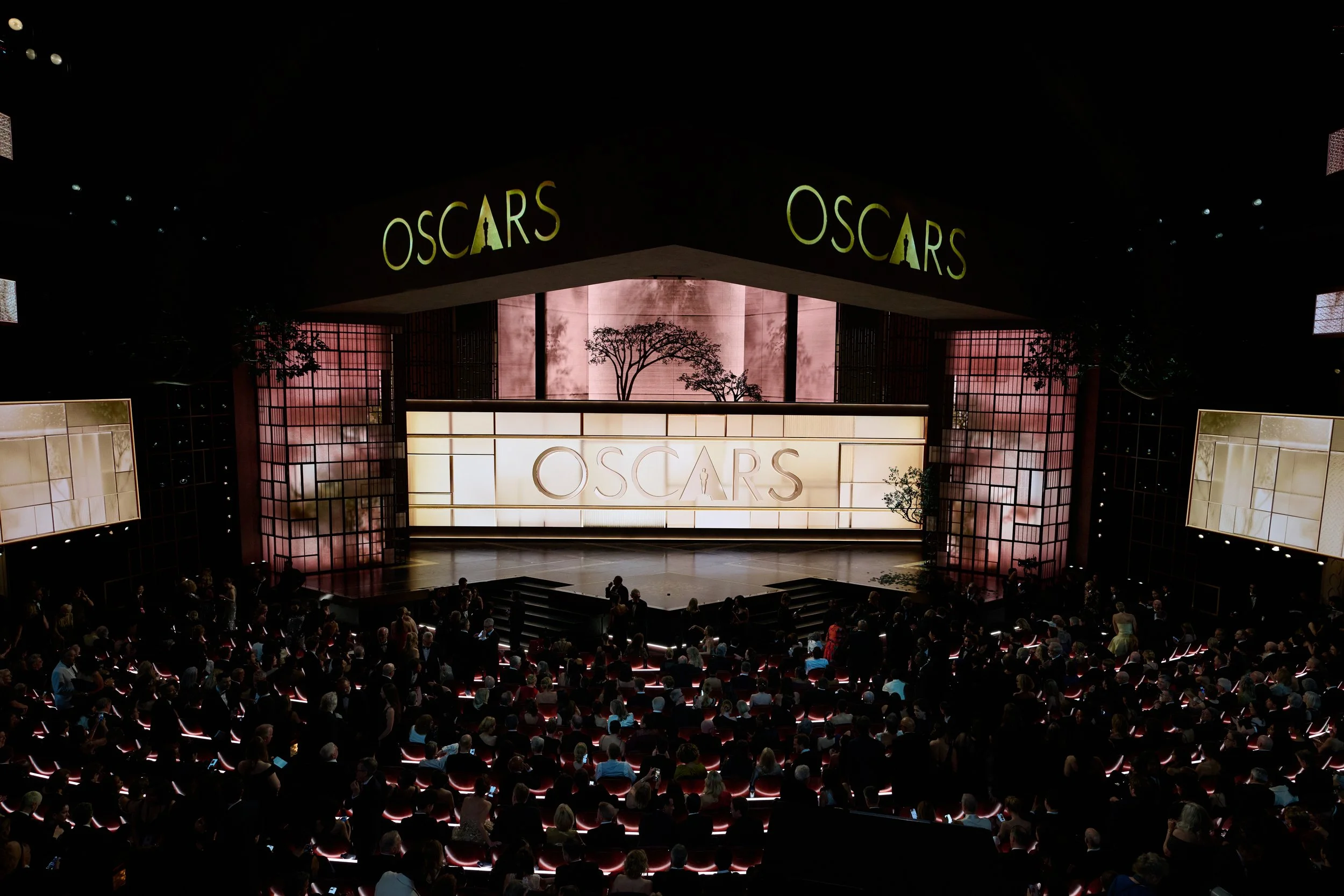
©A.M.P.A.S.
After more than two decades in Hollywood, the Oscars are moving downtown — and signaling a larger shift in how the ceremony is produced and experienced.
For the first time in more than 25 years, the Oscars are leaving Hollywood.
The Academy of Motion Picture Arts and Sciences has announced that beginning in 2029, the ceremony will relocate from the Dolby Theatre to the Peacock Theater at L.A. LIVE in downtown Los Angeles. The move comes as part of a new 10-year agreement between the Academy and AEG, marking one of the most significant structural changes to the broadcast in decades and effectively ending the Dolby Theatre’s run as the permanent home of the Oscars since 2002.
On the surface, the decision is logistical. The Peacock Theater offers a significantly larger capacity, currently seating around 7,100 attendees compared to the Dolby’s 3,400, immediately expanding the scale of the ceremony. But the implications go far beyond seating. The deal includes major upgrades to the venue’s stage, sound, lighting and backstage infrastructure, along with custom design elements tailored specifically for the Oscars, suggesting that this is less a relocation and more a reimagining of how the event will function moving forward.
The shift to L.A. LIVE also reflects a broader change in how Hollywood’s biggest night is positioned within the city itself. For decades, the Oscars have been synonymous with Hollywood Boulevard, a location that carries both historical weight and increasing logistical limitations. Moving downtown places the ceremony within a larger, purpose-built entertainment district, one designed to handle large-scale global events with fewer physical constraints and more flexibility for expansion.
That flexibility will likely be critical as the Academy continues to rethink the ceremony’s format and reach. By 2029, the Oscars will also be broadcast via YouTube for the first time, part of a separate deal that signals a continued push toward digital distribution and global accessibility. Taken together, the venue change and the broadcast shift point to a ceremony that is being rebuilt not just for a live audience, but for a rapidly evolving viewing landscape.
The partnership with AEG reinforces that direction. As one of the world’s largest developers and operators of live entertainment venues, AEG brings a level of infrastructure and production capability that aligns with the Academy’s long-term ambitions for the show. Both organizations have framed the move as an opportunity to rethink the Oscars experience from the ground up, from the physical staging of the ceremony to how audiences engage with it both in-person and remotely.
POPULAR ON THE CINEMA GROUP
At the same time, the move inevitably marks the end of an era. The Dolby Theatre has hosted the Oscars through some of its most defining modern moments, from record-breaking wins and historic speeches to years of declining ratings and ongoing debates about relevance. Its location in the heart of Hollywood has long served as a symbolic anchor for the industry, even as the business itself has increasingly shifted away from the traditional studio system that once defined it.
Relocating the ceremony does not erase that history, but it does acknowledge that the Oscars can no longer rely on it.

What the Academy appears to be betting on is that scale, flexibility and modernization can help reposition the ceremony for the next decade. A larger venue allows for a bigger audience, more elaborate staging and potentially a more immersive in-person experience. A downtown location offers logistical advantages that Hollywood Boulevard no longer can. And a digital-first broadcast strategy opens the door to reaching viewers in ways that traditional television increasingly struggles to match.
None of that guarantees a reinvention of the Oscars, but it does suggest a willingness to evolve.
The ceremony has spent much of the past decade trying to balance tradition with relevance, often struggling to satisfy both. This move represents one of the clearest indications yet that the Academy is prepared to prioritize the future over the past, even if it means leaving behind one of the most recognizable venues in its history.
By the time the 101st Academy Awards arrive in 2029, the Oscars will look different, feel different and operate within a different kind of entertainment ecosystem. The question is not whether the ceremony can change its location. It is whether it can change its trajectory.
| FEATURES | INTERVIEWS | REVIEWS | The Catalogue | TRENDING | TRAILERS | VIDEOS |









![WERWULF - Official Trailer [HD] - Only In Theaters Christmas](https://i.ytimg.com/vi/cmjpadVj-Vk/hqdefault.jpg)