BAFTA Jury Member Steps Down Amid Racial Slur Controversy, Pressure Mounts on BBC
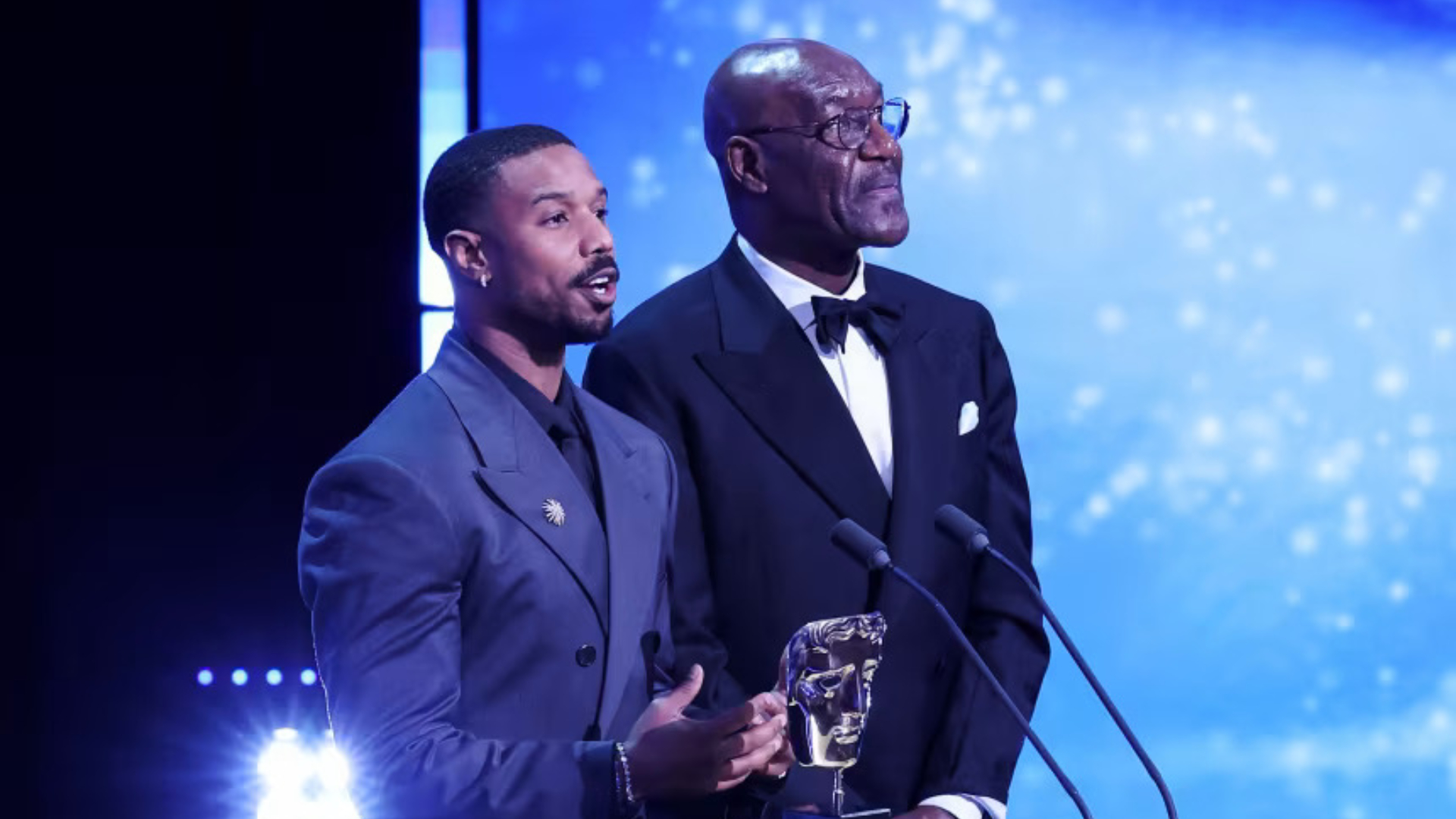
Michael B. Jordan and Delroy Lindo at BAFTA Film Awards BBC/BAFTA
The fallout from the BAFTA broadcast incident deepens as industry voices and politicians demand accountability.
The controversy surrounding this year’s BAFTA Film Awards continues to intensify, with an emerging talent jury member stepping down and British politicians publicly pressing the BBC for answers.
Independent producer Jonte Richardson announced his resignation from a BAFTA jury panel, citing what he described as the awards body’s “utterly unforgivable” handling of the incident involving a racial slur during the ceremony broadcast. Richardson, who has worked on major events including the BET Awards, said the situation reflected broader concerns about how the organization protects and supports Black creatives and guests.
In a statement shared on social media, Richardson accused the BAFTA of repeatedly failing to safeguard the dignity of Black members of the film community. He characterized his decision to step down as difficult, particularly because he had been encouraged by the strength of this year’s emerging talent cohort, which he noted included several promising Black creatives.
The producer’s departure marks a significant escalation in the fallout from the BAFTA ceremony, which has already drawn criticism across the U.K. entertainment and political landscape. While BAFTA issued a public apology and said it took full responsibility for the incident, the response has done little to quiet the growing scrutiny.
At the center of the controversy is an on-air moment involving Tourette Syndrome campaigner John Davidson, the subject of the film I Swear. During the broadcast, Davidson was heard shouting the N-word — something BAFTA later emphasized was the result of involuntary tics associated with his condition. Davidson himself said he was deeply mortified if anyone interpreted the outburst as intentional or meaningful.
Still, the incident — and particularly how it was handled in the broadcast — has sparked widespread debate about editorial judgment, live-event safeguards and institutional accountability.
Much of the criticism has now shifted toward the BBC, which aired the ceremony. The broadcaster has faced backlash for leaving the unedited moment available on iPlayer for roughly 15 hours before removing the program. Critics argue the delay was especially troubling given that the ceremony aired on a time delay, theoretically allowing for editorial intervention.
The political response has been swift. Conservative leader Kemi Badenoch publicly described the situation as a “horrible mistake,” signaling bipartisan concern over how the broadcast was handled. Meanwhile, Labour MP Dawn Butler has formally written to BBC Director General Tim Davie seeking clarification on the network’s editorial decisions.
Butler’s criticism has proven particularly pointed. In her letter, she questioned why a separate moment — in which director Akinola Davies Jr. said “Free Palestine” — was edited out of the broadcast, while the racial slur remained. Her comments underscore a growing perception among some observers that the BBC’s standards were applied inconsistently.
She also described the visible reaction from actors Michael B. Jordan and Delroy Lindo in the moment, noting the “physical intake of breath” as they composed themselves on stage. For many viewers, that unscripted reaction became one of the most emotionally resonant — and uncomfortable — moments of the evening.
The controversy arrives at a sensitive time for BAFTA, which in recent years has worked publicly to improve diversity and inclusion within its membership and awards processes. Richardson’s resignation, paired with his reference to what he called a “long history of systemic racism,” risks reopening broader conversations the organization has spent years attempting to address.
Industry observers note that while BAFTA moved quickly to apologize and clarify the medical context of Davidson’s outburst, the lingering questions are less about intent and more about process. Specifically, critics are asking what safeguards were in place for a pre-recorded broadcast and why the moment was not caught sooner.
For the BBC, the stakes are equally high. As the U.K.’s public broadcaster, its editorial decisions are subject to intense political and public scrutiny. With the network already navigating a complex media environment and ongoing funding debates, the current controversy adds another layer of reputational risk.
POPULAR ON THE CINEMA GROUP
Whether the situation continues to escalate may depend on how both organizations respond in the coming days. BAFTA has yet to publicly address Richardson’s resignation directly, and the BBC has not issued a detailed explanation of its editorial timeline beyond initial statements.
What is clear is that the BAFTA incident has evolved beyond a single on-air moment into a broader industry flashpoint — one touching on accessibility, editorial responsibility, racial sensitivity and institutional trust. As pressure builds from both within the entertainment community and Westminster, the coming weeks may determine whether this remains a short-lived controversy or becomes a longer-term reputational challenge for two of Britain’s most prominent cultural institutions.



![WERWULF - Official Trailer [HD] - Only In Theaters Christmas](https://i.ytimg.com/vi/cmjpadVj-Vk/hqdefault.jpg)