Christopher Nolan Steps Into the Industry’s Crosshairs as DGA President While ‘The Odyssey’ Looms
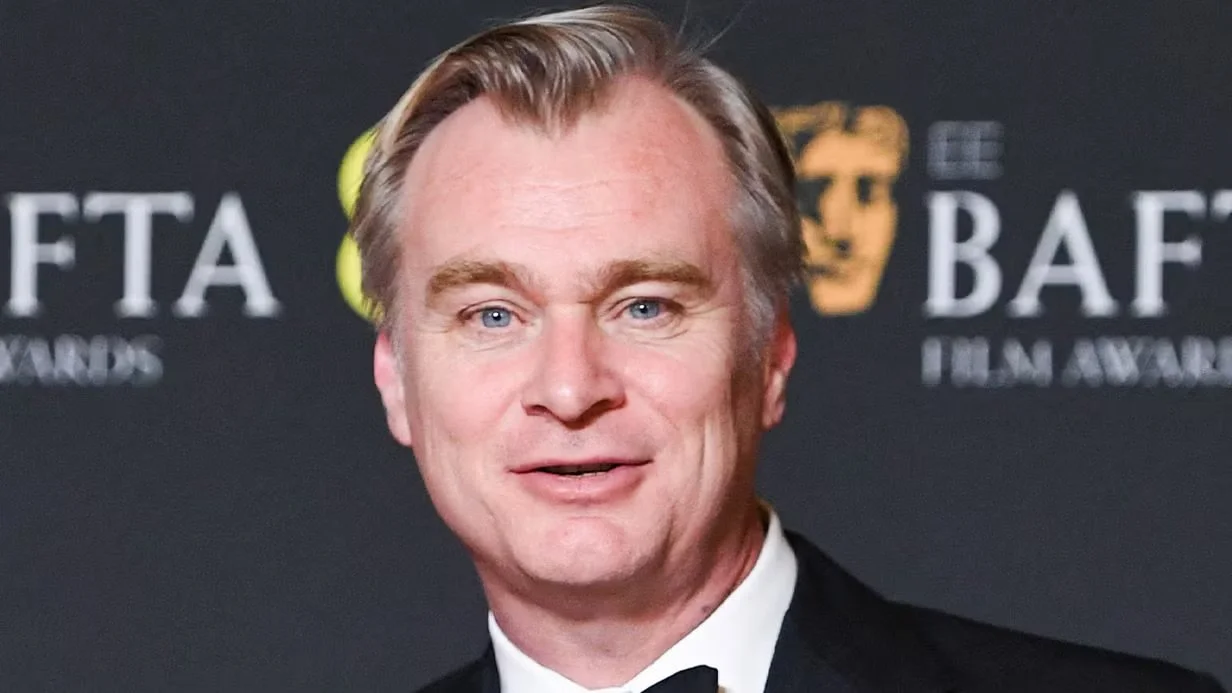
Image via Abaca Press/INSTARimages
Christopher Nolan steps into union leadership at a pivotal moment, confronting AI, consolidation, and collapsing production as the DGA heads toward high-stakes negotiations.
Christopher Nolan is entering one of the most complicated chapters of his career — not behind the camera, but at the bargaining table.
While deep into production on The Odyssey, his ambitious adaptation of Homer’s epic set to arrive this summer, Nolan is also confronting Hollywood’s mounting structural crises as the newly elected president of the Directors Guild of America. It’s a role that places one of cinema’s most vocal defenders of theatrical filmmaking at the center of an industry reckoning shaped by shrinking employment, streaming consolidation, and the accelerating impact of artificial intelligence.
Elected last fall, Nolan now represents roughly 20,000 DGA members at a moment when work opportunities have sharply declined across both film and television. Domestic production has slowed, Peak TV has collapsed, and long-standing studio models are being rewritten — often without clear benefit to the labor force sustaining them.
Nolan’s presidency arrives just as the DGA prepares to enter contract negotiations with the major studios this spring, with its current agreement expiring June 30 — only weeks before The Odyssey reaches theaters. Though he will not sit on the negotiating committee itself, Nolan has already emerged as a public-facing voice for the guild’s priorities: job protection, health care funding, and firm guardrails around the use of AI.
At the heart of the concern, Nolan argues, is a widening disconnect between consumer demand and labor opportunity. Audiences are still spending on entertainment at relatively stable levels, yet employment for directors and their crews has fallen dramatically. For Nolan, that gap is not simply cyclical — it reflects systemic shifts in how studios allocate resources in the streaming era.
Those anxieties are compounded by the possibility of further consolidation. Warner Bros., long a creative home for Nolan, remains at the center of acquisition speculation, with Netflix and Paramount both circling potential deals. For filmmakers, the fear is not just fewer studios, but fewer distributors willing to prioritize theatrical releases. For television directors, the concern is that consolidation could further erode production volume and bargaining leverage.
Nolan has stopped short of taking a formal position on any potential merger, but he has made clear that promises alone won’t suffice. Commitments to theatrical windows, streaming investment, and production output must translate into tangible employment — not symbolic gestures.
As a dual U.S.–U.K. citizen who regularly shoots abroad, Nolan has also weighed in carefully on the political dimension of production flight. While declining to criticize proposed tariffs on foreign-shot films, he has emphasized that the real solution lies in competitiveness — specifically, a meaningful federal production incentive that could stack with state rebates and keep work domestic.
Artificial intelligence looms just as large. Recent studio partnerships with AI companies have intensified fears over both job displacement and creative control. Nolan has acknowledged the potential upside of licensing models that compensate rights holders, but he has been unequivocal that guild support hinges on whether those revenues are meaningfully shared with creators and below-the-line workers.
POPULAR ON THE CINEMA GROUP
For the DGA, AI also echoes earlier battles over artistic integrity, from the fight against colorization to present-day concerns about algorithmic manipulation of finished films. Nolan has framed the issue not as resistance to innovation, but as insistence on authorship — the right of directors to have a voice in how their work is altered, distributed, or monetized.
Even the home-viewing experience has changed in ways Nolan finds troubling. The rise of ad-supported streaming platforms has reintroduced commercial interruptions into films’ first post-theatrical window — a practice largely abandoned decades ago. To Nolan, it’s another example of how technological “progress” can quietly reverse hard-won creative standards.
Despite the scope of the challenges, Nolan has embraced the tradition of active, working filmmakers leading the guild — following in the footsteps of figures like Frank Capra and Joseph Mankiewicz, who balanced landmark films with union leadership. With the support of DGA staff, its board, and former presidents, Nolan has signaled his willingness to shoulder both roles.
As the industry braces for another round of high-stakes labor negotiations, Nolan’s presidency positions him not just as a symbolic figurehead, but as a crucial advocate at a moment when the future of work, authorship, and theatrical cinema are all under pressure.
For Nolan, innovation may be inevitable — but exploitation, he argues, is not.



![WERWULF - Official Trailer [HD] - Only In Theaters Christmas](https://i.ytimg.com/vi/cmjpadVj-Vk/hqdefault.jpg)