Netflix’s Ted Sarandos Pushes Back as Paramount and Warner Bros. Reopen the Theatrical Window Debate
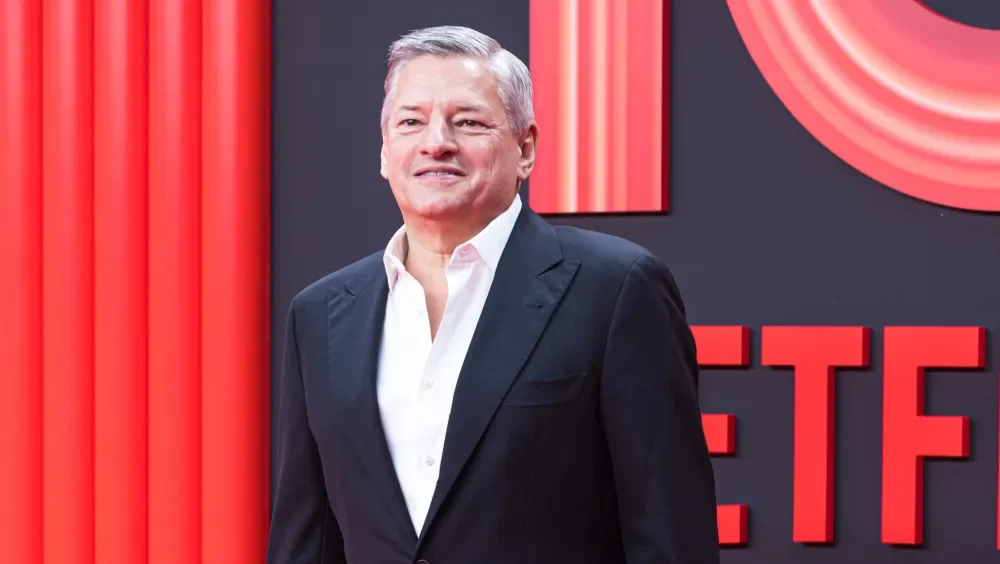
Netflix co-CEO Ted Sarandos DAVID BENITO/FILMMAGIC VIA GETTY IMAGES
As legacy studios rally around a renewed theatrical window, Netflix’s co-CEO argues the conversation is outdated — and exposes the industry’s deepest strategic divide heading into 2026.
Hollywood’s theatrical identity crisis resurfaced this week when Paramount and Warner Bros. Discovery jointly signaled their renewed commitment to longer theatrical windows — a move designed to restore box office stability, rebuild moviegoing habits, and reestablish the “exclusivity premium” studios believe has eroded during the streaming era. But Netflix co-CEO Ted Sarandos is not buying the narrative that theaters are suffering because streaming disrupted the ecosystem. Instead, he’s arguing the opposite: the obsession with windowing is outdated, and the future will not be determined by legacy playbooks.
Speaking at UBS’ Global Media and Communications Conference, Sarandos dismissed the idea that Netflix made movies “less valuable” by shortening the runway between theatrical and streaming. He framed the window debate as an industry coping mechanism — a way for studios to explain broader declines in attendance by pointing at the wrong culprit. According to Sarandos, audiences never rejected theaters; they rejected films that didn’t feel urgent enough to justify the trip.
His remarks land at a moment of heightened anxiety. Paramount and WBD are navigating debt pressures, merger speculation, and shifts in investor confidence. Both studios are leaning on theatrical as the stabilizing force they believe can rebuild revenue predictability. And both have floated aggressive strategies: fewer releases, bigger releases, and windows long enough to protect box office returns before titles hit their respective platforms. It is the clearest sign yet that some legacy studios believe the streaming-first mentality of the early 2020s was a costly detour.
Sarandos, however, positioned Netflix as the only major studio uninterested in resurrecting the old rules. He framed the streamer’s model — flexible releases, global reach, data-driven greenlighting — as not only sustainable but artistically liberating. Sarandos suggested that the industry’s fixation on theatrical windows distracts from a more urgent conversation: how to make films people actually want to see. He argued that success comes from meeting audiences where they are rather than forcing viewers into legacy patterns.
The implicit tension is clear. Paramount and Warner Bros. see theaters as a path back to stability. Netflix sees theaters as optional. And both can point to evidence supporting their case. Warner Bros. has rebuilt its 2025–26 slate around event-level franchises, while Paramount is pushing prestige releases back into the long-window model that defined late-2010s Oscar campaigns. Meanwhile, Netflix continues to break records in streaming engagement without committing to wide theatrical rollouts.
POPULAR ON THE CINEMA GROUP
But the larger story is not about who is right. It’s about who defines the next decade of moviegoing. If traditional studios succeed in rebuilding a longer-window ecosystem, streaming platforms may see diminished leverage over premium content. If Netflix’s approach continues to dominate global viewing hours, studios dependent on theatrical recovery may find themselves chasing a mirage.
Sarandos’ comments underscore just how much of the theatrical debate is rooted in identity rather than economics. For Paramount and Warner Bros., the long window is a declaration of legacy, relevance, and artistic permanence. For Netflix, resisting that model is a declaration of independence — a refusal to be pulled into a playbook it believes no longer scales.
The 2026 race is no longer just about who makes the best films. It’s about who defines the terms on which films live.






![WERWULF - Official Trailer [HD] - Only In Theaters Christmas](https://i.ytimg.com/vi/cmjpadVj-Vk/hqdefault.jpg)