Hollywood Winners & Losers: Sydney Sweeney’s Rise, Larry Ellison’s Positioning, WBD Shareholder Pushback, and a ‘Devil Wears Prada 2’ Overshadowing
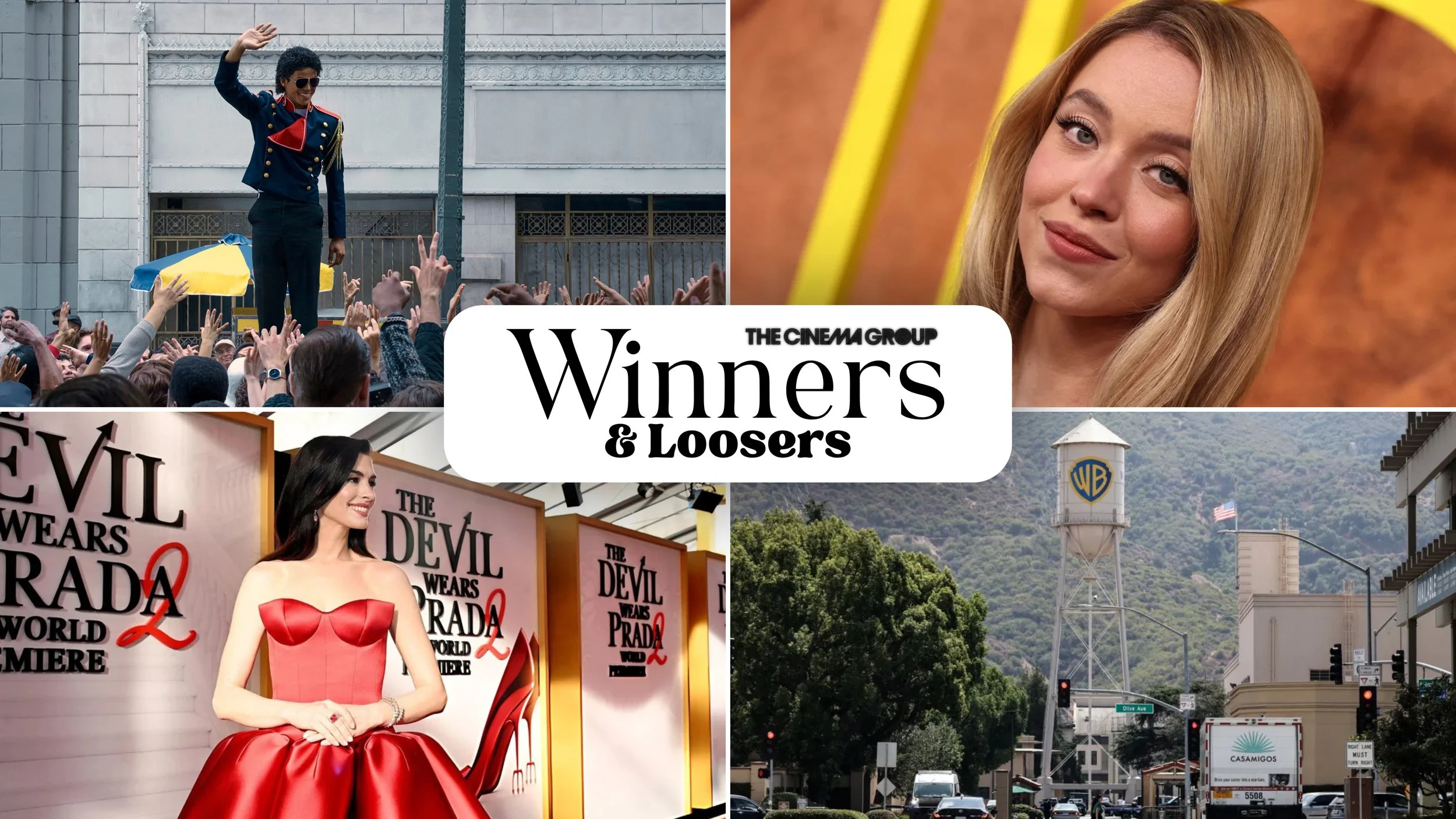
Lionsgate, HBO, Getty Images, Graphic Via the Cinema Group
Sydney Sweeney continues to dominate cultural attention while Larry Ellison edges closer to entertainment power, Warner Bros. shareholders push back on leadership rewards, and even The Devil Wears Prada 2 gets lost in the noise.
Hollywood right now doesn’t feel like a hierarchy. It feels like overlapping systems of power running in parallel — cultural, corporate, critical, and commercial — all reacting to each other without fully syncing up.
What used to be a clear “winner and loser” week now looks more like competing signals of influence. Some are loud. Some are financial. Some are purely about attention. And none of them fully cancel the others out.
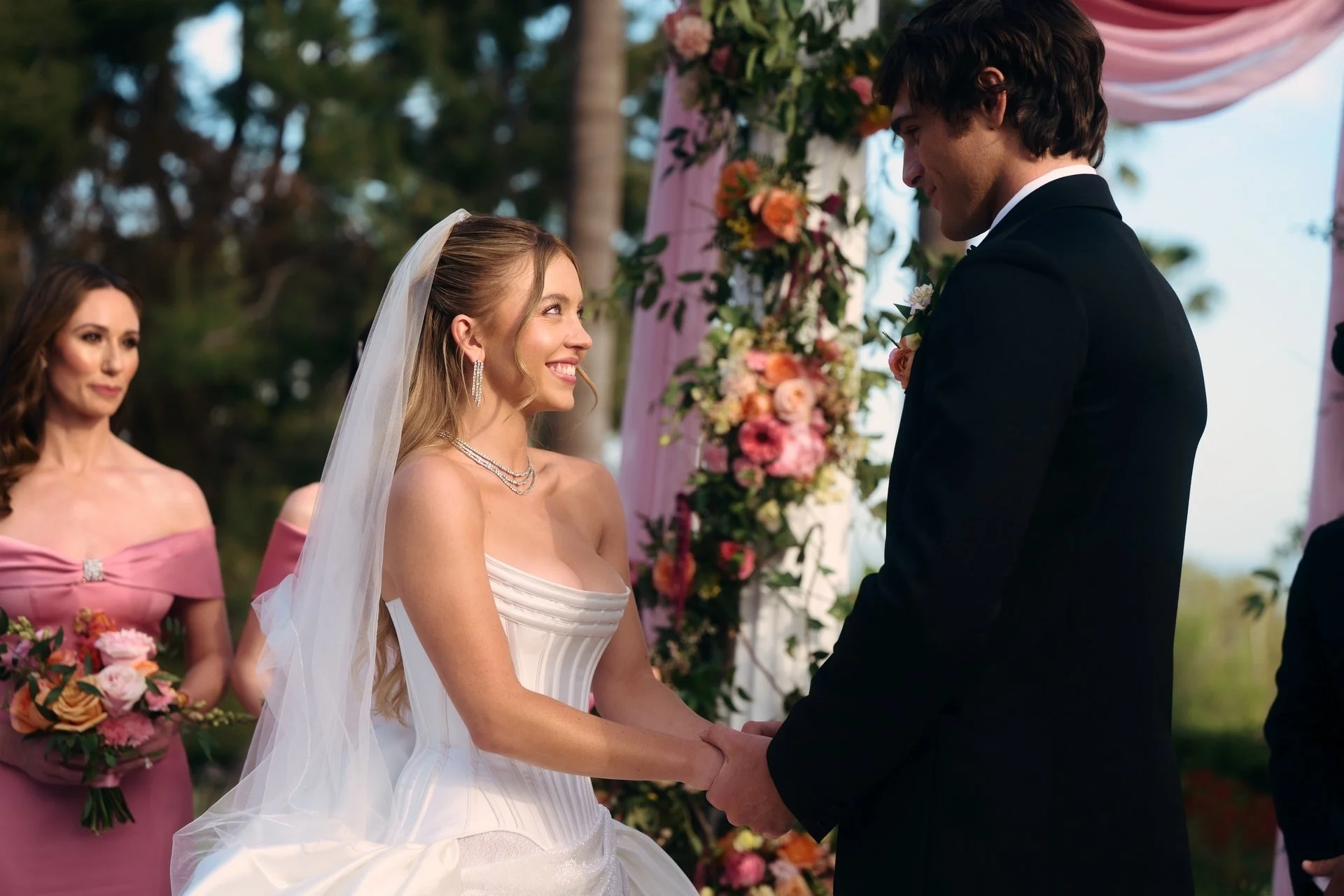
HBO
WON: Sydney Sweeney
Sydney Sweeney is operating in one of the most unusual positions in modern Hollywood: constant cultural presence without needing a single dominant release cycle to justify it.
Even when she’s not leading a new film or TV launch, she is still generating headlines that sit across entertainment, fashion, and social media ecosystems simultaneously. Her brief involvement — and subsequent cut — from The Devil Wears Prada 2 only added another layer to a pattern that has defined her recent trajectory: she remains part of the conversation even when she’s technically not on the final product.
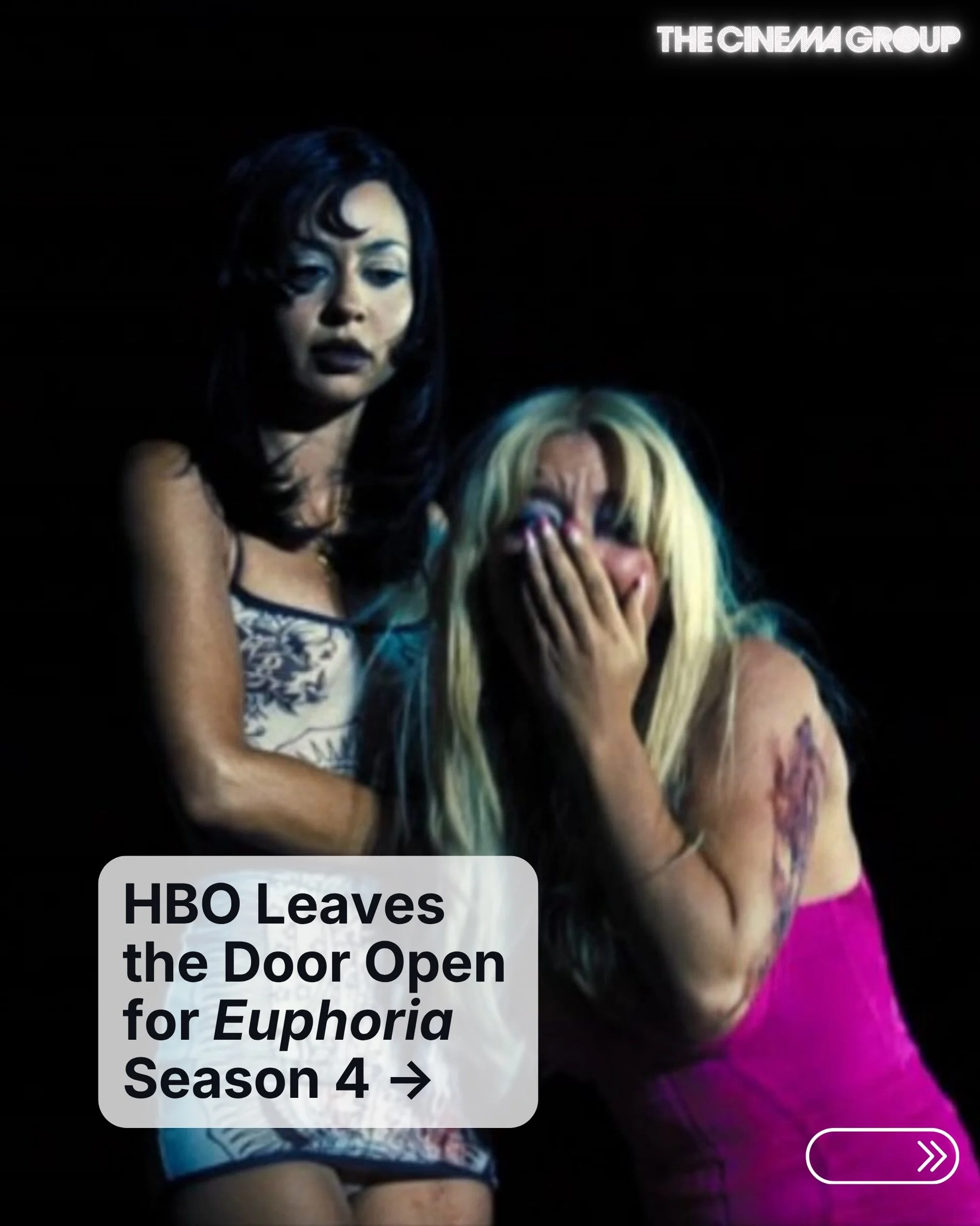
At the same time, her return to Euphoria Season 3 has become a case study in how streaming-era television can amplify star power far beyond the original breakout moment. The discourse around her character, Cassie, has reignited broader debates about performance, persona, and how audiences interpret actors who blur the line between role and image.
Outside of film and television, Sweeney’s continued partnership with American Eagle has reinforced her rare dual positioning as both performer and brand engine. She exists in a space where campaigns don’t just sell products — they re-circulate her cultural relevance back into entertainment cycles.
Even projects that were once positioned as setbacks or underperformers have begun to reframe themselves in streaming life, creating a feedback loop where attention rarely fully drops off. In today’s ecosystem, Sweeney isn’t just participating in Hollywood momentum — she is part of what sustains it.
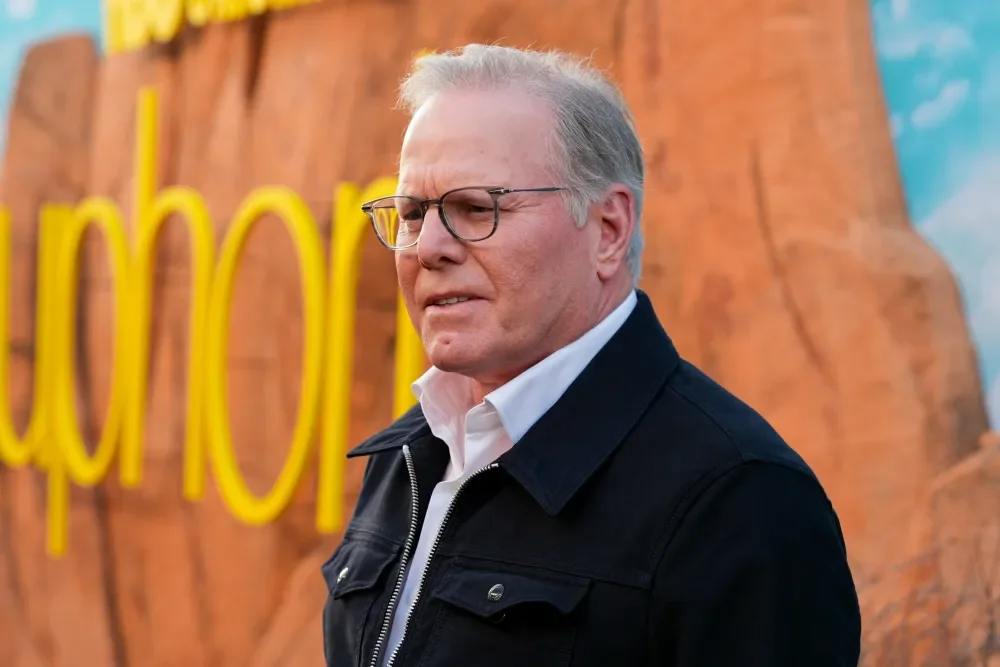
Getty Images
LOST: David Zaslav
David Zaslav’s situation reflects a very different kind of Hollywood visibility — one tied to boardrooms, mergers, and the increasingly fragile relationship between executive compensation and public perception.
Even as major corporate restructuring moves forward, shareholder resistance around compensation packages signals a growing tension in entertainment conglomerates: success at the macro level does not guarantee alignment at the individual executive level.
Zaslav remains one of the most influential figures in modern media consolidation, but the optics surrounding executive payouts in a cost-conscious industry have become increasingly difficult to separate from broader studio identity. In an era where theatrical performance, streaming profitability, and labor negotiations are all under scrutiny, leadership compensation is no longer a background conversation — it is part of the headline.
What makes this moment notable is not just the number attached to executive packages, but the broader question it raises about perception: in a business increasingly defined by public accountability, scale alone is no longer a shield.
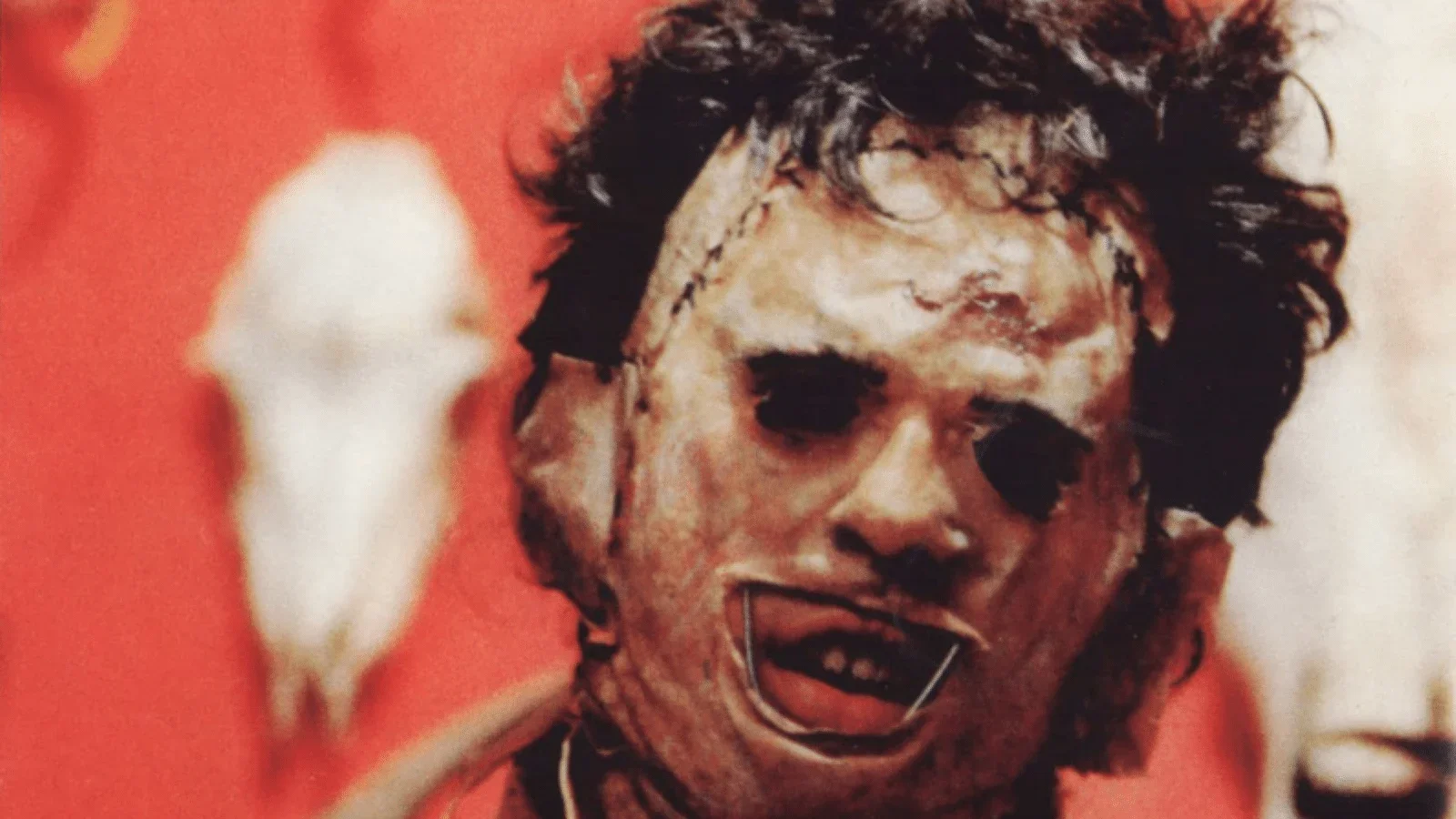
THE TEXAS CHAIN SAW MASSACRE (Credit: A24)
WON: Curry Barker
Curry Barker represents one of the clearest examples of how rapidly Hollywood’s talent pipeline is changing.
A filmmaker who emerged from short-form digital comedy and internet-native storytelling, Barker is now moving directly into major studio conversations at a pace that would have been nearly impossible a decade ago. His transition from online sketch work to theatrical feature development reflects a structural shift in how studios are sourcing new creative voices.
What’s significant is not just that Barker is getting opportunities — it’s the type of opportunities. Multiple genre projects, including high-profile horror and studio-backed features, suggest that his early creative identity is being treated as adaptable intellectual property rather than experimental risk.
In a landscape where attention cycles are increasingly short and audience discovery is platform-driven, Barker is part of a new generation of filmmakers whose career acceleration is tied less to traditional gatekeeping and more to cultural responsiveness. Studios are not just betting on talent — they are betting on existing momentum.
POPULAR ON THE CINEMA GROUP
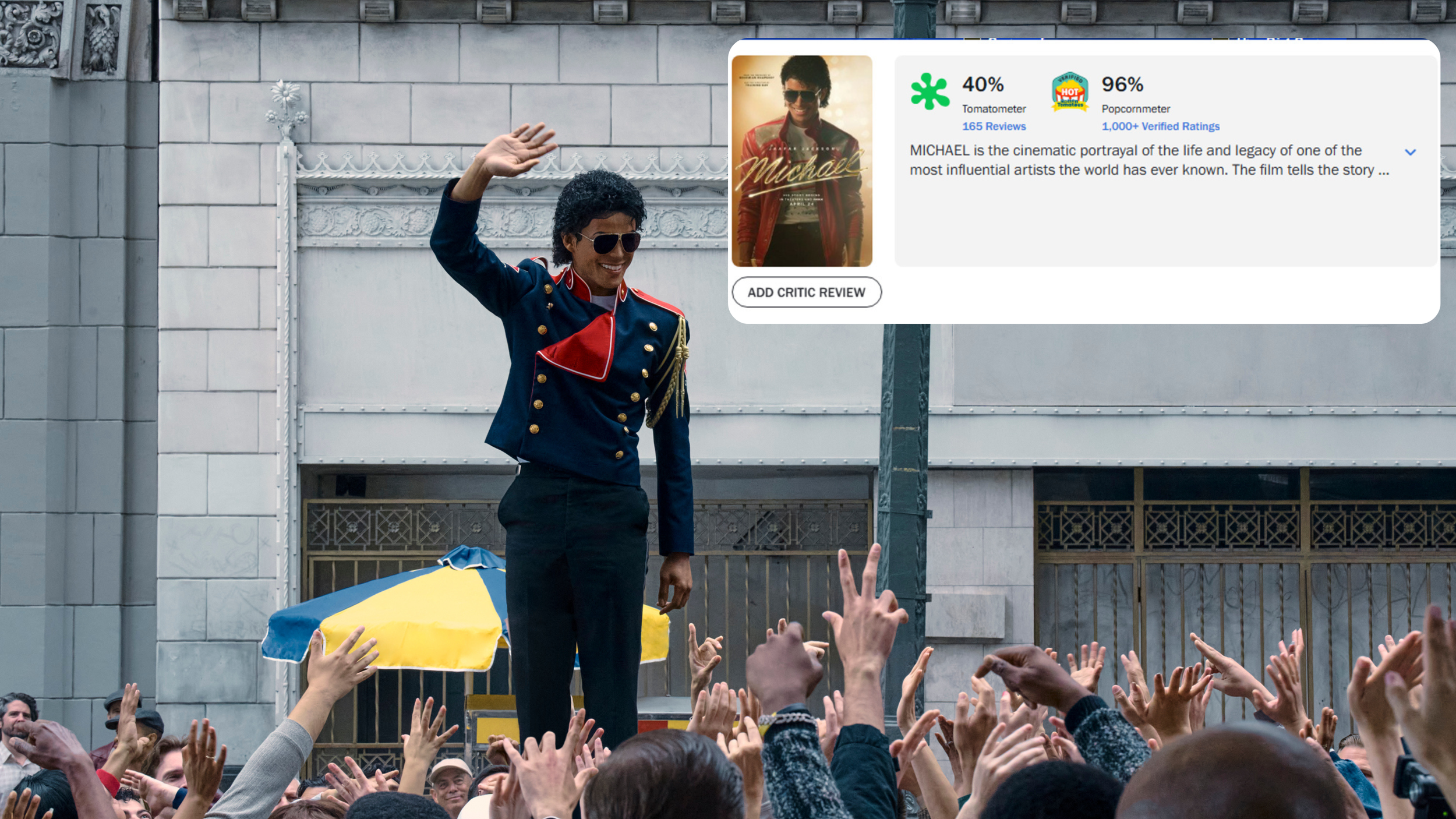
Lionsgate
LOST: Michael Critics
The critical response to Michael has become one of the most divided conversations in recent biopic culture — not because the film is invisible, but because it forces a split in how audiences and critics define responsibility in legacy storytelling.
Antoine Fuqua’s film has been broadly described as controlled, polished, and intentionally selective in scope. Its focus on Michael Jackson’s rise, musical legacy, and early career success creates a narrative that is emotionally accessible but structurally limited by design. That design choice has become the central point of critical debate.
For many reviewers, the issue is not performance or production quality — it is omission. The decision to avoid fully engaging with later-life allegations and controversies has reframed the film less as a complete biography and more as a curated historical snapshot. That distinction matters in a cultural moment where biopics are increasingly expected to function as both entertainment and accountability texts.
At the same time, audience interest has not mirrored critical hesitation. Early box office tracking suggests strong global performance, driven by legacy fandom, music recognition, and international market strength where Jackson’s cultural footprint remains especially powerful.
The result is a widening gap: critics are analyzing what is missing, while audiences are responding to what is familiar. In between those positions sits the film itself — neither fully embraced as definitive nor dismissed as irrelevant, but instead functioning as a highly commercialized version of selective memory.
GETTY IMAGES
LOST: Warner Bros. Discovery Shareholders — Alignment Break
The pushback from Warner Bros. Discovery shareholders this week signals something bigger than a compensation vote. It reflects a widening gap between long-term studio strategy and short-term investor tolerance.
Even as the company continues executing on multi-year planning cycles — including slate development, global positioning, and merger-aligned structural shifts — shareholder resistance around executive compensation shows that confidence in direction does not automatically translate into agreement on reward.
This is a familiar tension in modern media conglomerates: content cycles are long, capital expectations are short, and leadership compensation sits directly in the middle of that mismatch.
What’s changed is intensity. In a post-streaming correction environment, investors are increasingly sensitive to optics around executive payout structures, especially when the broader industry is still navigating cost restructuring, theatrical uncertainty, and platform recalibration.
The result is a fractured alignment: leadership is planning in years, while shareholders are reacting in quarters.
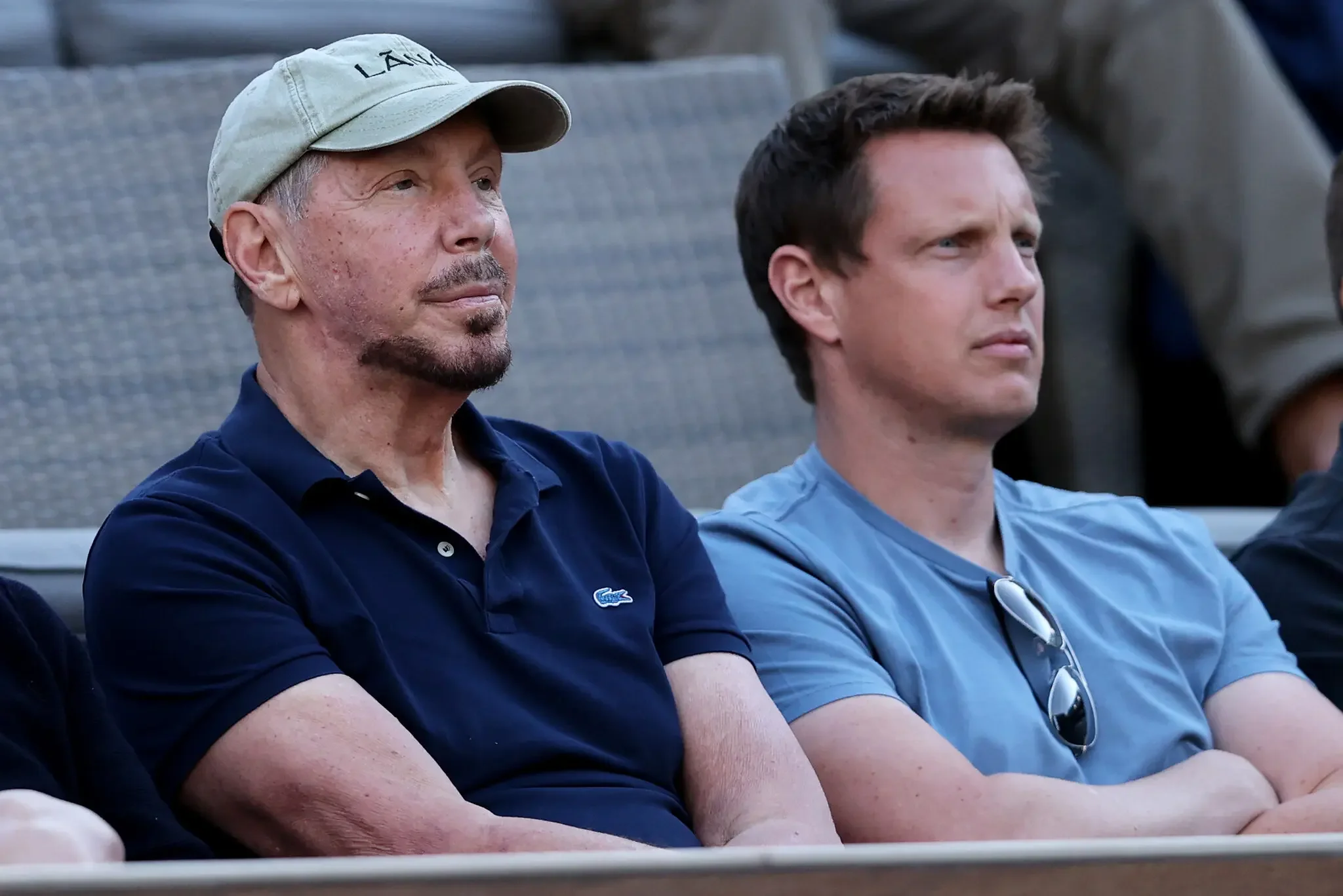
Clive Brunskill/Getty Images
WON: Larry Ellison — One Step Closer to Entertainment Gravity
Larry Ellison’s presence in Hollywood is not loud, but it is increasingly difficult to ignore.
As consolidation continues reshaping legacy studios and media assets, Ellison’s proximity to major entertainment infrastructure continues to tighten. What used to be indirect influence through capital and tech adjacency now sits closer to structural involvement in how media companies are positioned, merged, and stabilized.
This isn’t about a single deal or headline moment. It’s about accumulation.
Each shift in ownership, each merger framework, each long-term restructuring cycle increases the likelihood that figures like Ellison become less peripheral and more embedded in how Hollywood actually operates at the top level.
He doesn’t need to be the public face of entertainment power. He just needs to be close enough to the machinery that builds it.
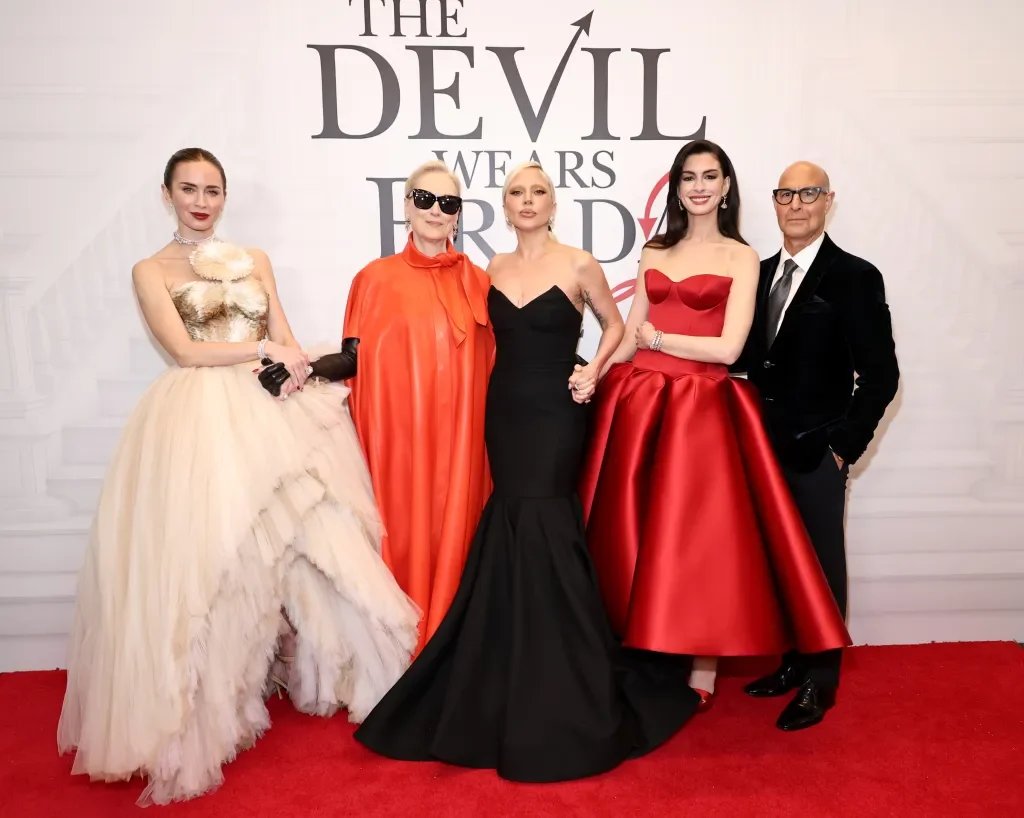
OVERSHADOWED: The Devil Wears Prada 2— Prestige IP Without Oxygen
In a different release environment, The Devil Wears Prada 2 would be one of the defining entertainment stories of the season. A legacy sequel tied to a globally recognizable IP, returning to a world that still carries strong cultural memory.
Instead, it finds itself partially drowned out — not by lack of interest, but by volume.
The current Hollywood cycle is overloaded with competing narratives: streaming performance spikes, biopic controversy cycles, shareholder backlash, emerging director breakthroughs, and ongoing franchise tracking. In that environment, even high-profile studio IP struggles to fully dominate attention.
This isn’t a question of relevance. It’s a question of bandwidth.
Audiences are not disengaged — they’re fragmented. And in that fragmentation, even major films now have to compete for narrative space rather than assume it.
Prada 2 becomes a case study in modern release reality: being culturally significant is no longer enough to guarantee cultural dominance.
This week in Hollywood isn’t about simple wins and losses — it’s about how influence is being distributed across entirely different systems.
Sydney Sweeney represents sustained cultural visibility that operates across acting, branding, and audience discourse simultaneously. Larry Ellison reflects the quiet expansion of structural influence within media consolidation. Warner Bros. Discovery shareholders highlight the growing tension between long-term studio strategy and short-term financial expectations. Michael exposes the divide between critical frameworks and audience behavior. And The Devil Wears Prada 2 shows how even major IP is now competing inside a saturated attention economy.
The common thread is not dominance — it’s fragmentation. Hollywood is no longer moving in one direction. It’s moving in several at once.
| FEATURES | INTERVIEWS | REVIEWS | The Catalogue | TRENDING | TRAILERS | VIDEOS |






![WERWULF - Official Trailer [HD] - Only In Theaters Christmas](https://i.ytimg.com/vi/cmjpadVj-Vk/hqdefault.jpg)