The Timothée Chalamet Backlash Is Exactly Why Hollywood Doesn’t Have Movie Stars Anymore
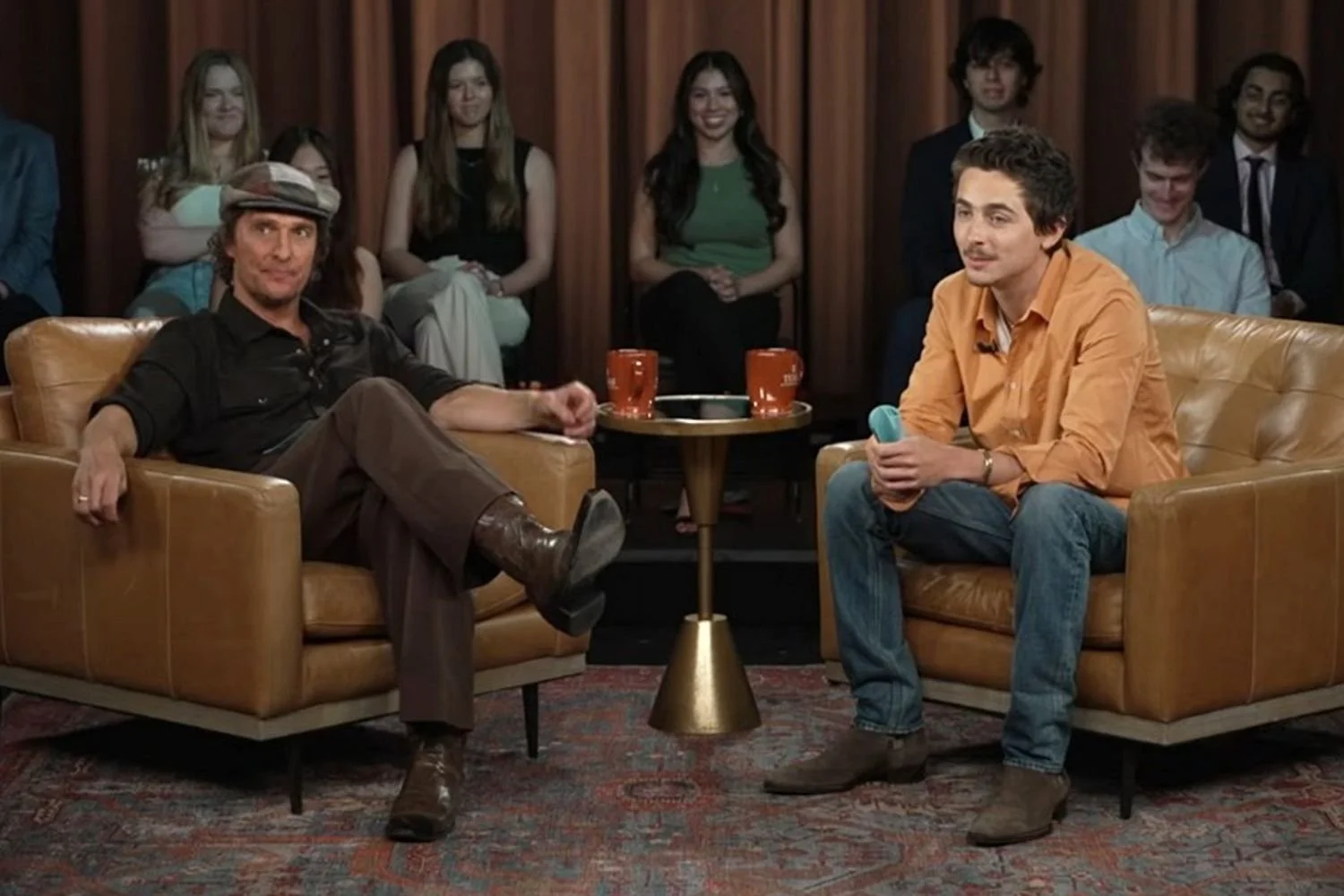
Matthew McConaughey and Timothée Chalamet in CNN x Variety Town Hall on Feb. 24, 2026.- Credit Variety/Youtube
The internet’s rush to condemn Timothée Chalamet says less about what he said and more about how quickly modern culture punishes anyone who dares to speak honestly.
For an industry that constantly complains about the death of the movie star, Hollywood has developed a remarkable talent for destroying the few that still exist.
The internet’s sudden outrage toward Timothée Chalamet over comments about ballet and opera is the latest reminder that the culture surrounding celebrity has fundamentally changed. If you only encountered the discourse through headlines and viral tweets, you would think Chalamet had just taken an unprovoked swing at the entire world of classical art. The narrative formed almost instantly: arrogant young actor belittles more “serious” art forms, critics rush to defend them, and the internet begins the ritual humiliation that has become a weekly sport online.
The problem is that this story only works if you ignore context.
Chalamet has been saying some version of the same thing since at least 2019. During the press tours for Beautiful Boy and The King, he spoke repeatedly about the future of cinema and the importance of preserving it as a communal art form. His argument has never been that ballet or opera lack value. Quite the opposite. What he has consistently suggested is that film has become the dominant storytelling medium of the modern era, capable of reaching audiences at a scale no other art form can. In other words, cinema is the place where most artists today have the best chance of actually building a career.
Whether people like hearing that or not, it’s not exactly a radical observation.
Ballet and opera once occupied the center of cultural life in major cities. They were the great spectacles of their time. Film eventually replaced them as the dominant public art form because it was more accessible, more scalable and capable of reaching millions of people at once. That doesn’t make ballet or opera obsolete. They remain beautiful, deeply important traditions. But it does mean they occupy a different place in the cultural ecosystem than they did a century ago.
Chalamet, who grew up in New York, attended LaGuardia High School and spent years surrounded by artists working across disciplines, understands that better than most actors. His comments weren’t coming from a place of disrespect. They were coming from someone who genuinely believes in the power of cinema and wants it to survive in a moment when the theatrical experience itself feels increasingly fragile.
That part of the story rarely makes it into the discourse.
Instead, what happened this week followed a familiar pattern in modern celebrity culture. Just days before the controversy erupted, Chalamet had been widely praised for participating in a thoughtful town hall conversation with Matthew McConaughey about artificial intelligence, creative ownership and the future of filmmaking. The conversation was widely shared and generally celebrated as one of the more intelligent discussions about where the industry might be headed.
Then came the awards ceremony where Michael B. Jordan took home the top acting prize.

Via: Netflix/ Shuttershock
By Monday morning the narrative had shifted. Suddenly the conversation wasn’t about AI or artistic ownership anymore. It was about Chalamet allegedly “punching down” on other art forms. Anyone who has spent even a little time observing Hollywood understands how quickly these narratives can take shape. Studios spend millions of dollars shaping the public perception of their films and stars. If one studio can orchestrate one of the most elaborate marketing campaigns in recent memory — as A24 did with Chalamet’s intentionally absurd promotional tour — then another studio can certainly help push a less flattering narrative into the bloodstream of the internet.
Once that narrative hits social media, the outcome is almost predetermined.
The internet has developed an extraordinary ability to shame people into conformity. Nuance disappears almost instantly. Context collapses into whatever interpretation travels fastest. A complicated conversation about art and culture becomes a moral referendum on whether someone deserves to be publicly scolded.
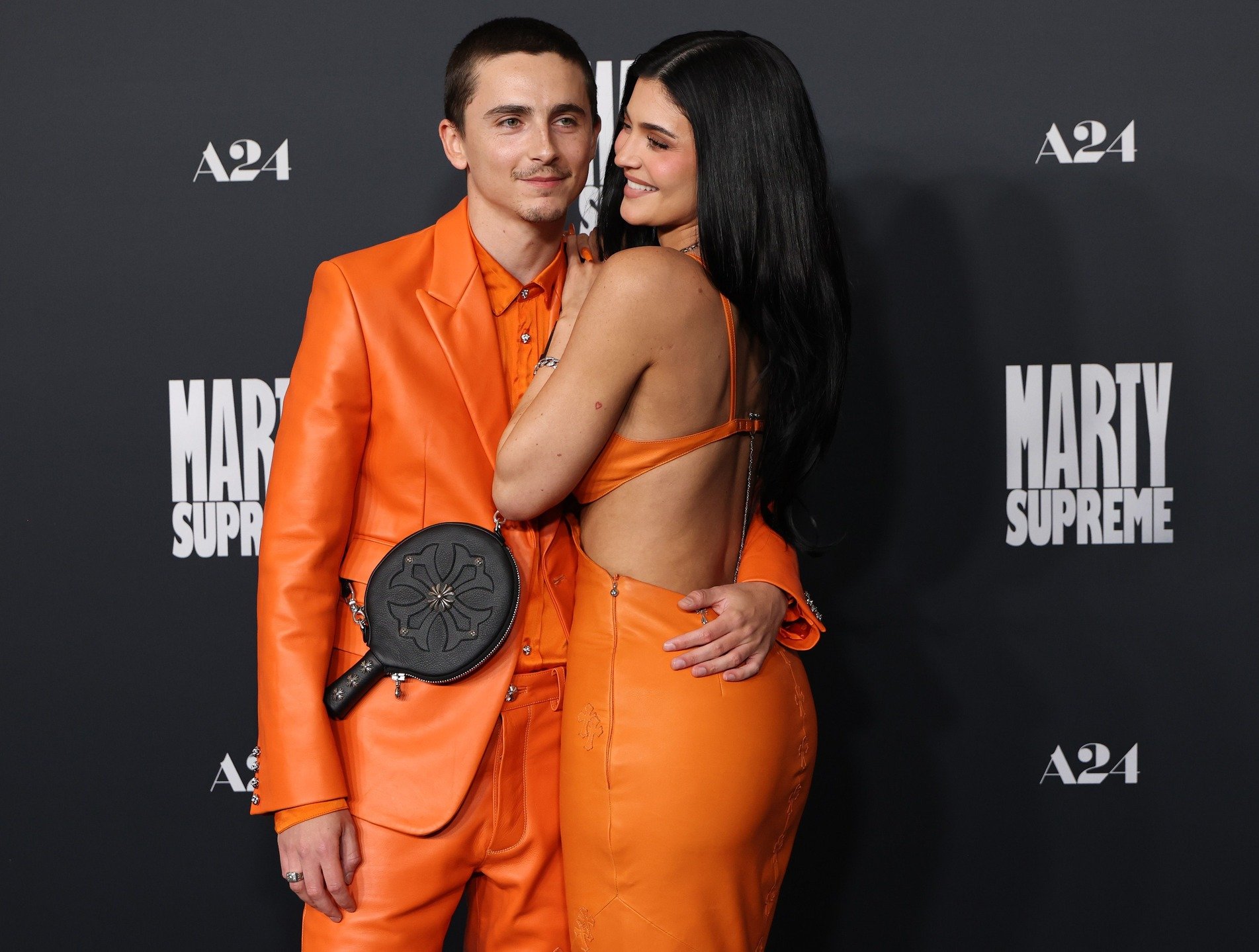
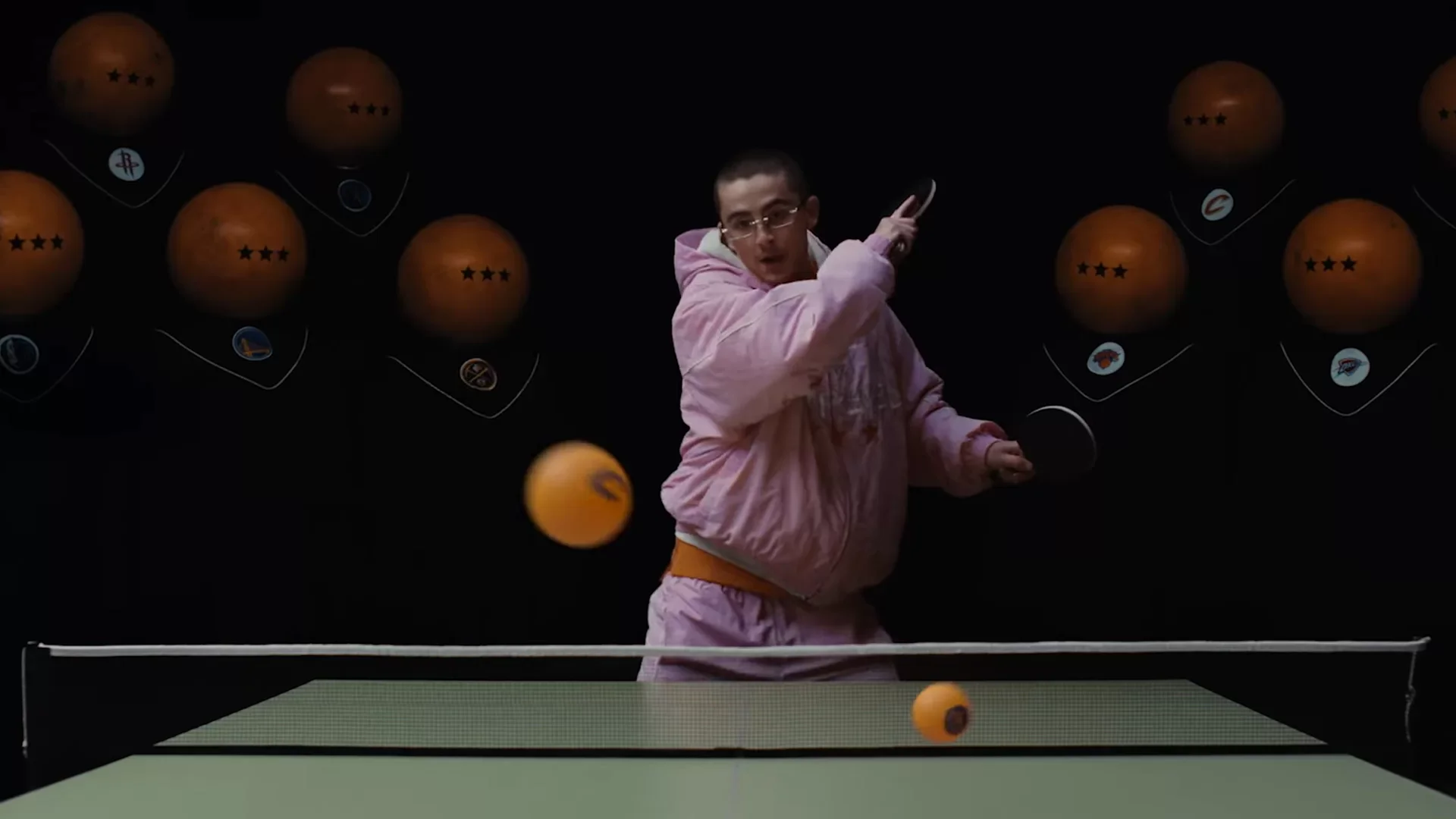
What makes the situation even more absurd is that Chalamet has spent much of the past year deliberately performing a satirical version of celebrity itself. During the marketing campaign for his latest film, he leaned into a persona that was intentionally ridiculous — cocky, arrogant, borderline obnoxious — essentially playing a heightened version of the character he portrays onscreen. He improvised bizarre promotional stunts, pitched intentionally absurd marketing ideas to A24 employees and generally behaved like someone who understood that modern movie marketing has become its own form of theater.
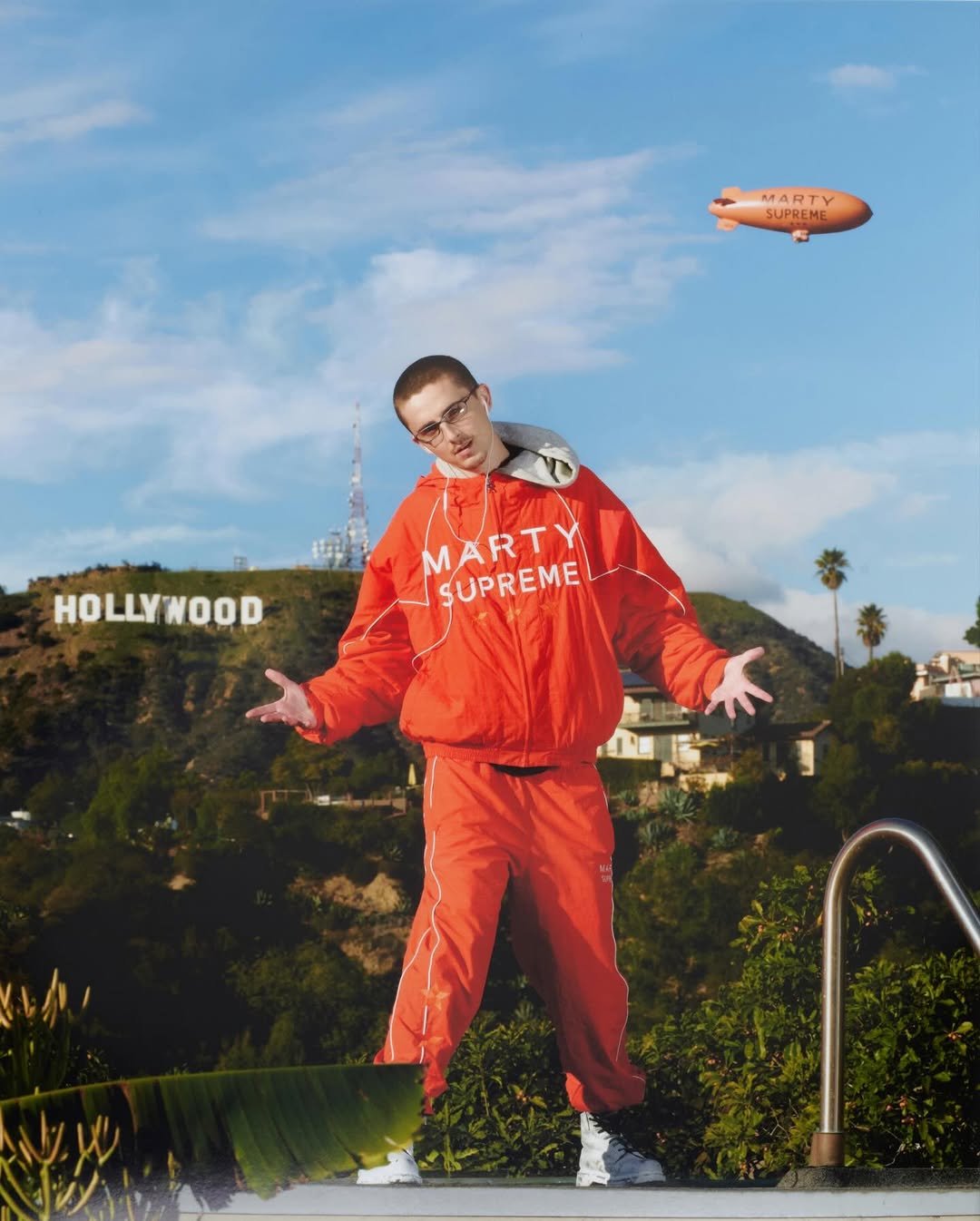
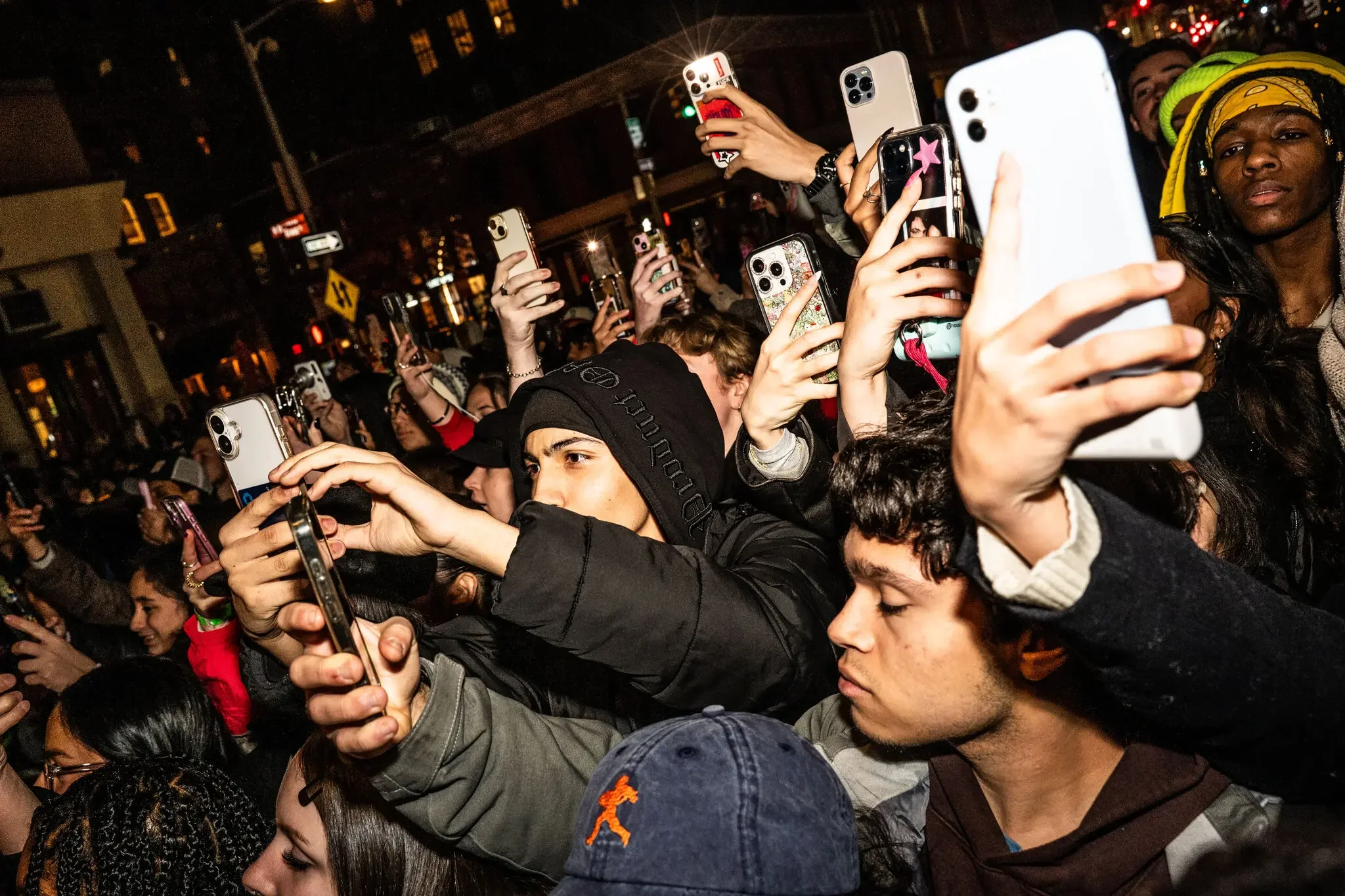
In other words, he was in on the joke and the internet happily played along for months. Fans lined up around the block for Marty Supreme pop-ups hoping to grab one of the now-coveted jackets, with some reselling online for thousands of dollars. The campaign spiraled into a full-scale spectacle: themed theater activations, collectible ping-pong popcorn buckets, branded collaborations, absurd installations, an Airbnb ping-pong tournament, holiday ornaments shaped like paddles and the now-ubiquitous orange hats that began popping up on the A24 shop. The entire rollout leaned into the ridiculousness of modern film marketing, and audiences embraced it as part of the performance.
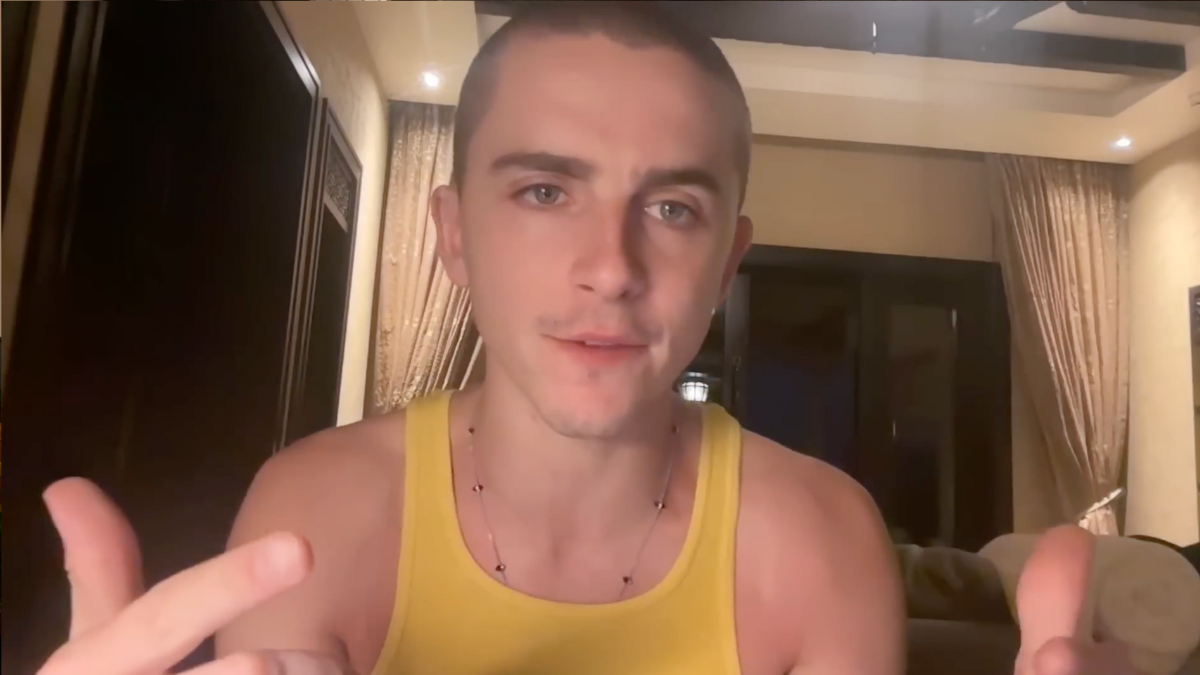


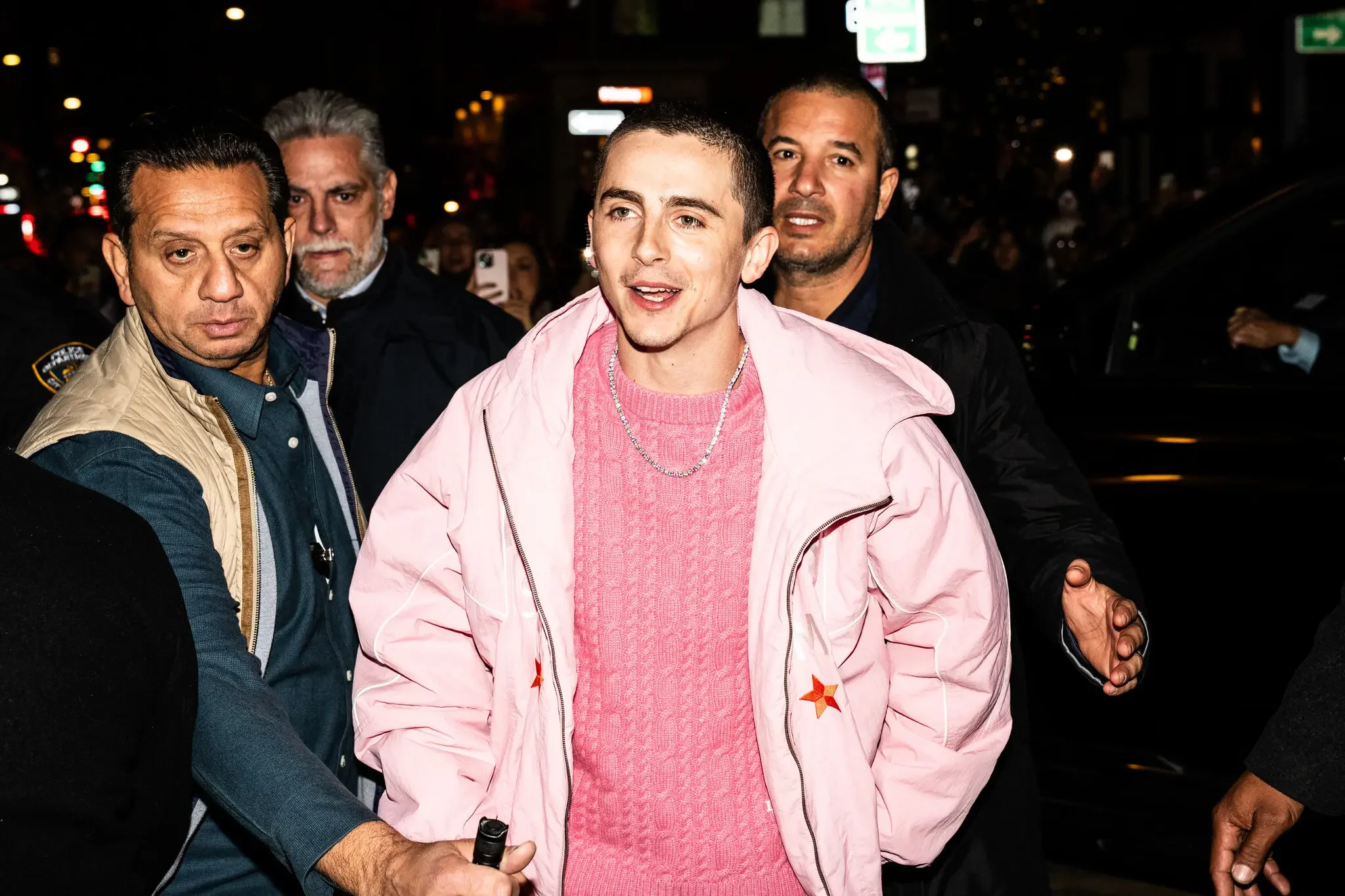
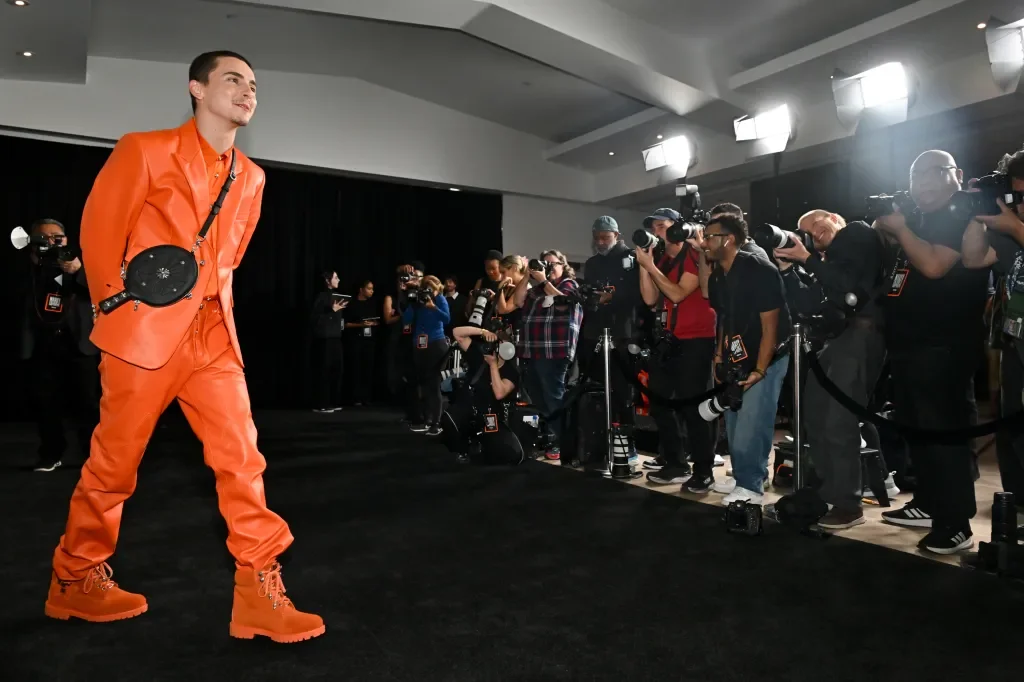

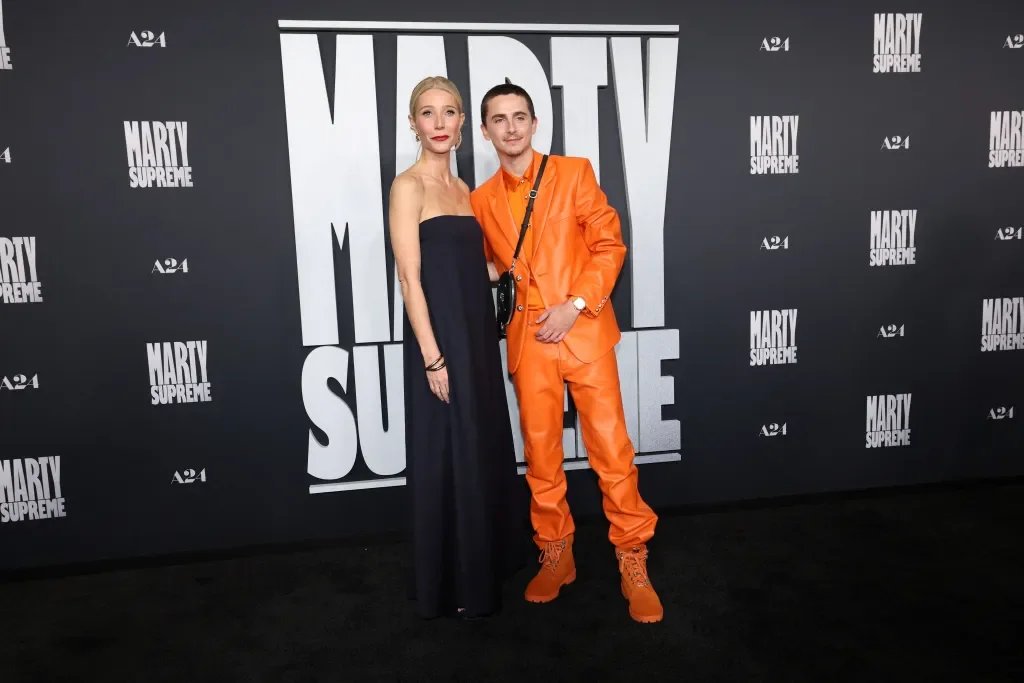




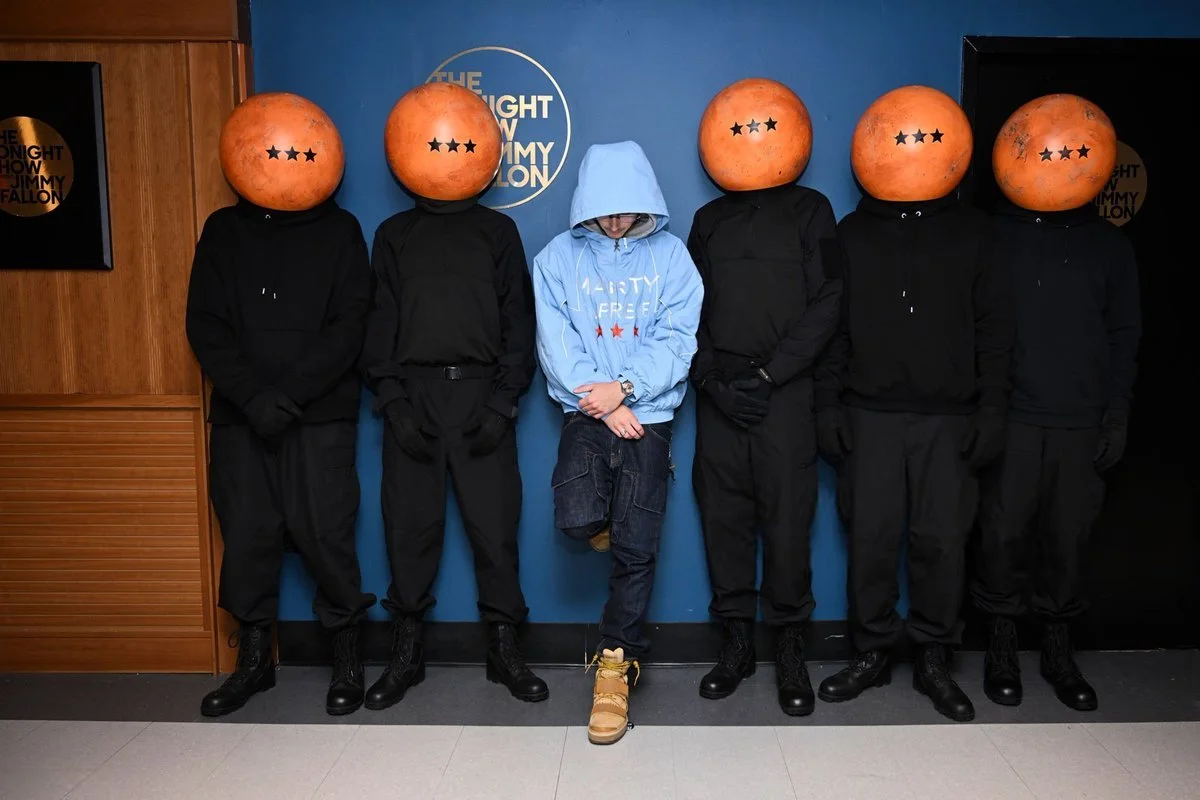
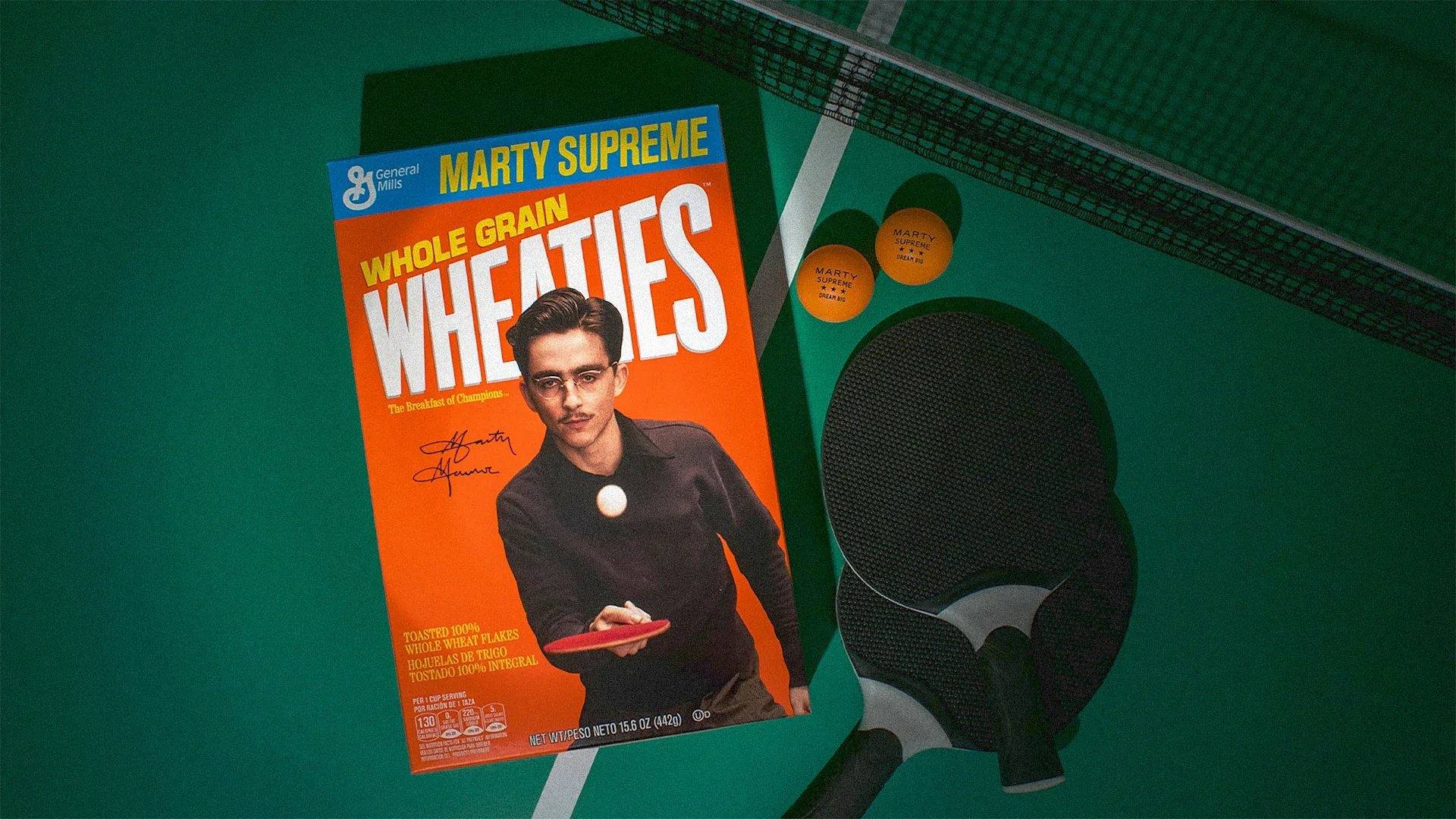

But when he speaks sincerely about cinema — when he drops the satire and talks seriously about preserving the art form — the reaction is far harsher. Suddenly the same audience that applauded the performance decides the performer has gone too far.
This contradiction reveals something important about the current cultural moment. Hollywood still produces famous people, but it rarely produces movie stars anymore. The difference matters. Movie stars historically had personalities large enough to shape culture. They spoke their minds, occasionally said the wrong thing and sometimes behaved in ways that were messy, contradictory or even irritating.
They were human beings rather than corporate spokespeople.
Today’s celebrity ecosystem operates very differently. Actors are media trained to within an inch of their lives. Interviews are carefully rehearsed. Every answer is filtered through the lens of how it might play on social media. The goal is not to be interesting or provocative but to avoid offending anyone in any possible corner of the internet.
The result is a landscape full of celebrities who sound almost identical.
When someone breaks from that pattern — when they express an opinion that doesn’t arrive pre-approved by a team of publicists — the reaction can be swift and unforgiving. Social media becomes judge, jury and executioner in a cultural courtroom where the punishment is often wildly disproportionate to the offense.
That dynamic is exactly how you end up with an industry that claims it wants the return of the movie star while simultaneously punishing anyone who behaves like one.
Chalamet’s argument about cinema ultimately isn’t about ballet, opera or any other art form. It’s about whether movies will continue to exist as a shared cultural experience rather than dissolving entirely into the algorithmic ecosystem of streaming platforms. The communal act of going to a theater — sitting in a dark room with strangers and experiencing a story together — has defined cinema for more than a century. If that disappears, something genuinely meaningful about the art form disappears with it.
Ironically, many of the comments that sparked this entire controversy were delivered in exactly those kinds of environments: live screenings, public conversations and festival events attended by audiences who had physically shown up to support cinema. They were part of a broader conversation about the future of the medium at a moment when the industry itself is still trying to figure out what the theatrical experience will look like in the next decade.
That conversation deserves more nuance than the internet is usually willing to provide.
Ironically, even some leaders within the classical arts world have acknowledged that the controversy may have done more good than harm. In an opinion piece published by The Age, Opera Australia CEO Alex Budd openly thanked Chalamet for sparking the debate. “In a recent interview, he suggested that opera and ballet are artforms people are trying to ‘keep alive even though nobody cares’,” Budd wrote. “In a single sentence, he managed to do what our marketing team spends weeks trying to achieve: getting the world talking about opera.” The remark, intended partly in jest, highlighted the strange dynamic surrounding the controversy. What began as outrage quickly became publicity — exactly the kind arts institutions themselves often struggle to generate.
But the reaction to Chalamet also reveals something else: the strange cycle through which Hollywood builds up its stars only to tear them down the moment they become too visible. The industry elevates young actors into symbols of a new generation, places enormous expectations on them and then waits for the first opportunity to turn admiration into criticism.
It’s a cycle that has repeated itself for decades, but social media has accelerated it to an almost absurd speed.
Perhaps the most ironic part of the entire situation is that Chalamet’s central point — that cinema matters, that it deserves to survive and that it still has the power to connect people — is not particularly controversial. In fact, it’s a sentiment most people working in film privately share.
The difference is that most of them are careful enough not to say it out loud anymore.
| FEATURES | INTERVIEWS | REVIEWS | The Catalogue | TRENDING | TRAILERS | VIDEOS |



![WERWULF - Official Trailer [HD] - Only In Theaters Christmas](https://i.ytimg.com/vi/cmjpadVj-Vk/hqdefault.jpg)