‘Wuthering Heights’ Review: Margot Robbie and Jacob Elordi Ignite Emerald Fennell’s Lush, Feverish Brontë Reimagining
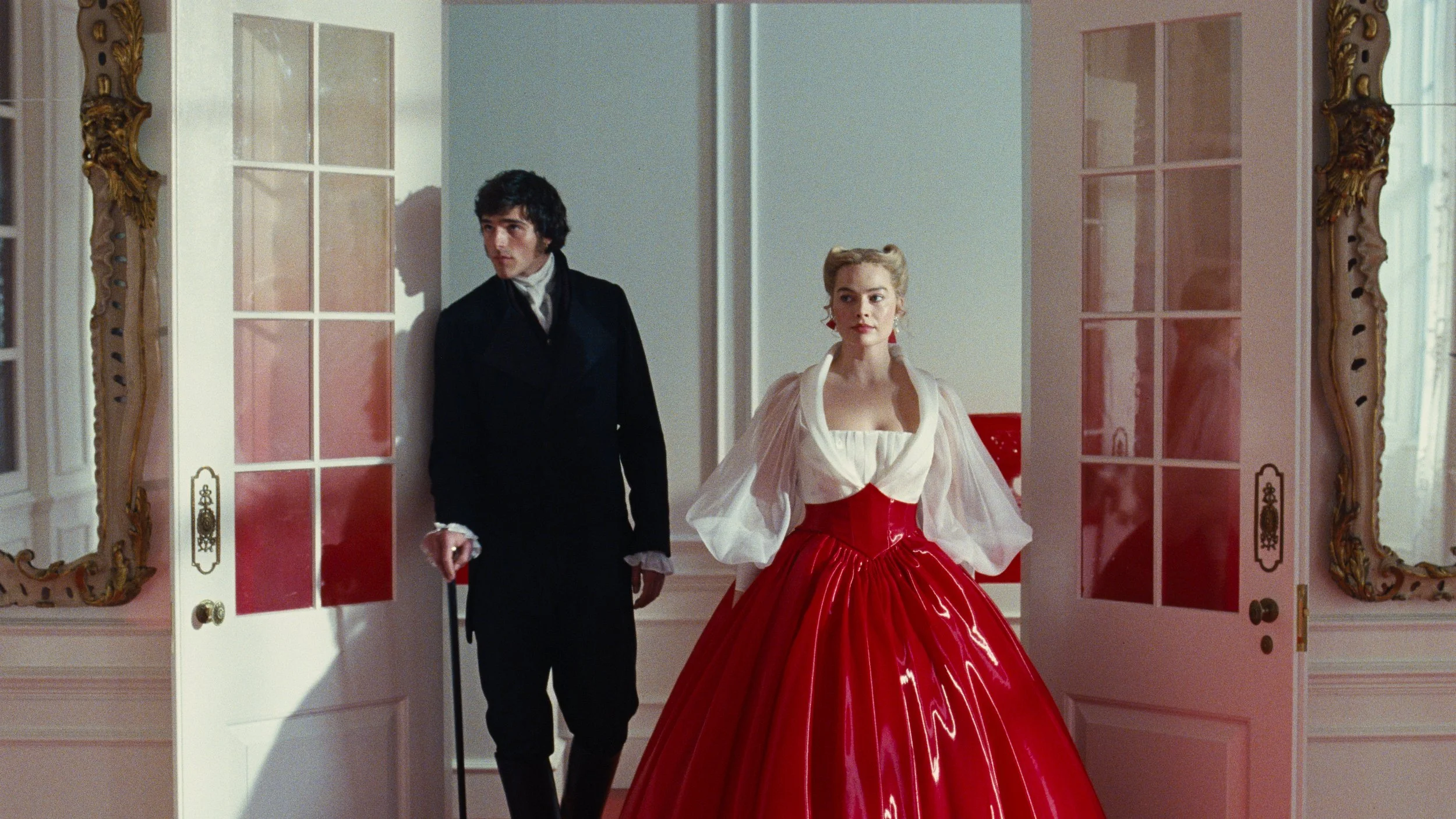
(L-r) JACOB ELORDI as Heathcliff and Actor, Producer MARGOT ROBBIE as Catherine Earnshaw in “Wuthering Heights,” Photo Courtesy Warner Bros. Pictures.
Margot Robbie and Jacob Elordi burn through the moors in Emerald Fennell’s bold, sensual, and defiantly modern take on Wuthering Heights.
Emerald Fennell does not approach Wuthering Heights with reverence. She approaches it with appetite.
From its opening moments — windswept moors rendered in blazing color, bodies moving with reckless urgency — Fennell makes clear this is not the austere, gothic Wuthering Heights many readers remember from school curricula. This is a film that treats Emily Brontë’s 1847 novel less as sacred text and more as raw emotional material. It’s heightened, decadent, provocative, occasionally ridiculous, and often intoxicating.
And at its molten center are Margot Robbie and Jacob Elordi, whose chemistry alone is enough to justify the endeavor.
Robbie’s Catherine Earnshaw is volatile from the outset. She’s not a passive romantic heroine undone by circumstance; she’s a creature of impulse and appetite. Fennell leans into Cathy’s contradictions — tender and cruel, playful and punishing, deeply in love yet intoxicated by power. Robbie plays her with fearless abandon. She allows Cathy to be selfish, manipulative, even sadistic in flashes, without softening her edges for audience approval. It’s a performance that understands Catherine not as a victim of her environment, but as an active participant in her own destruction.
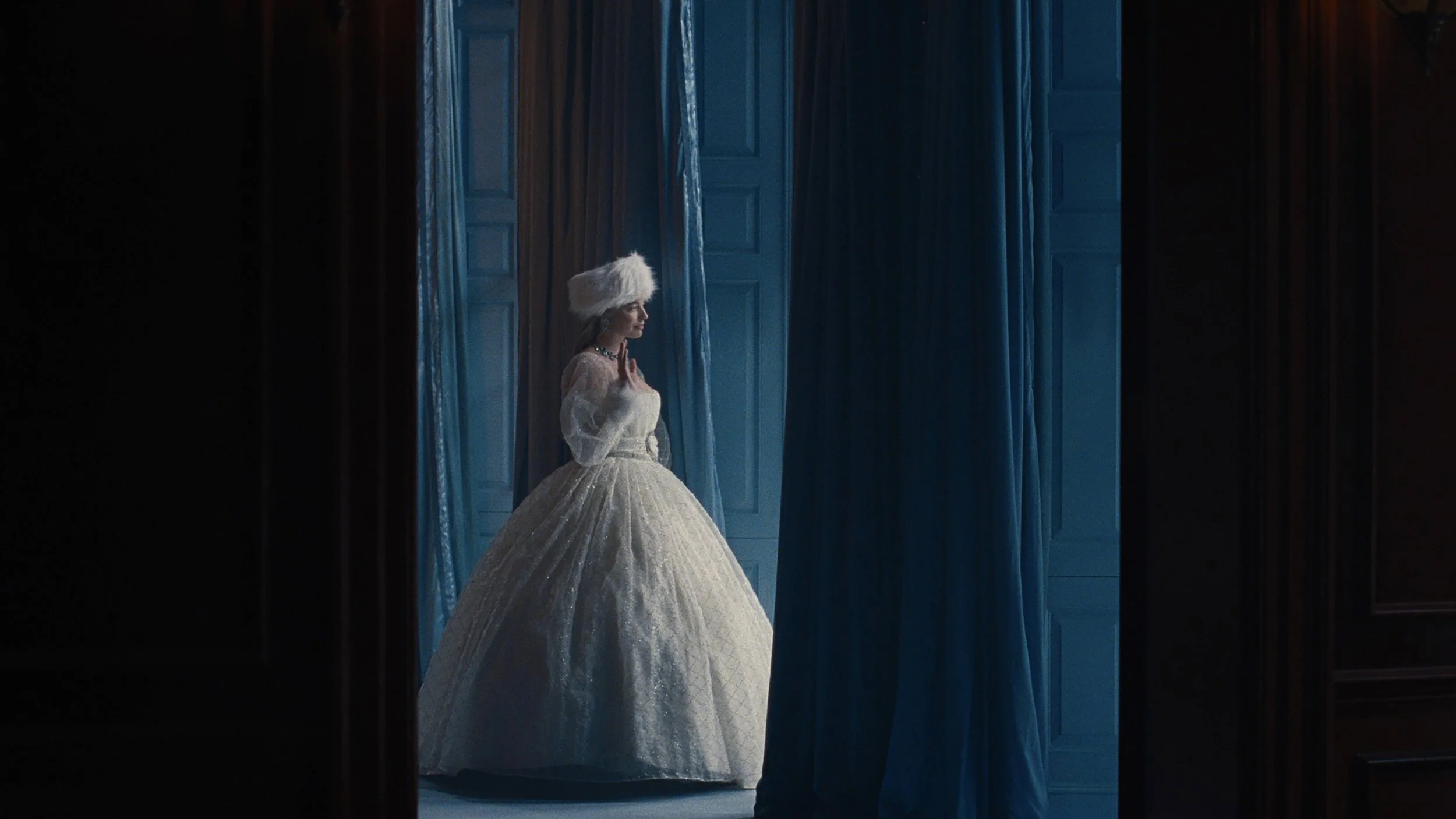
Actor, Producer MARGOT ROBBIE as Catherine Earnshaw in “Wuthering Heights,” Photo Courtesy Warner Bros. Pictures.
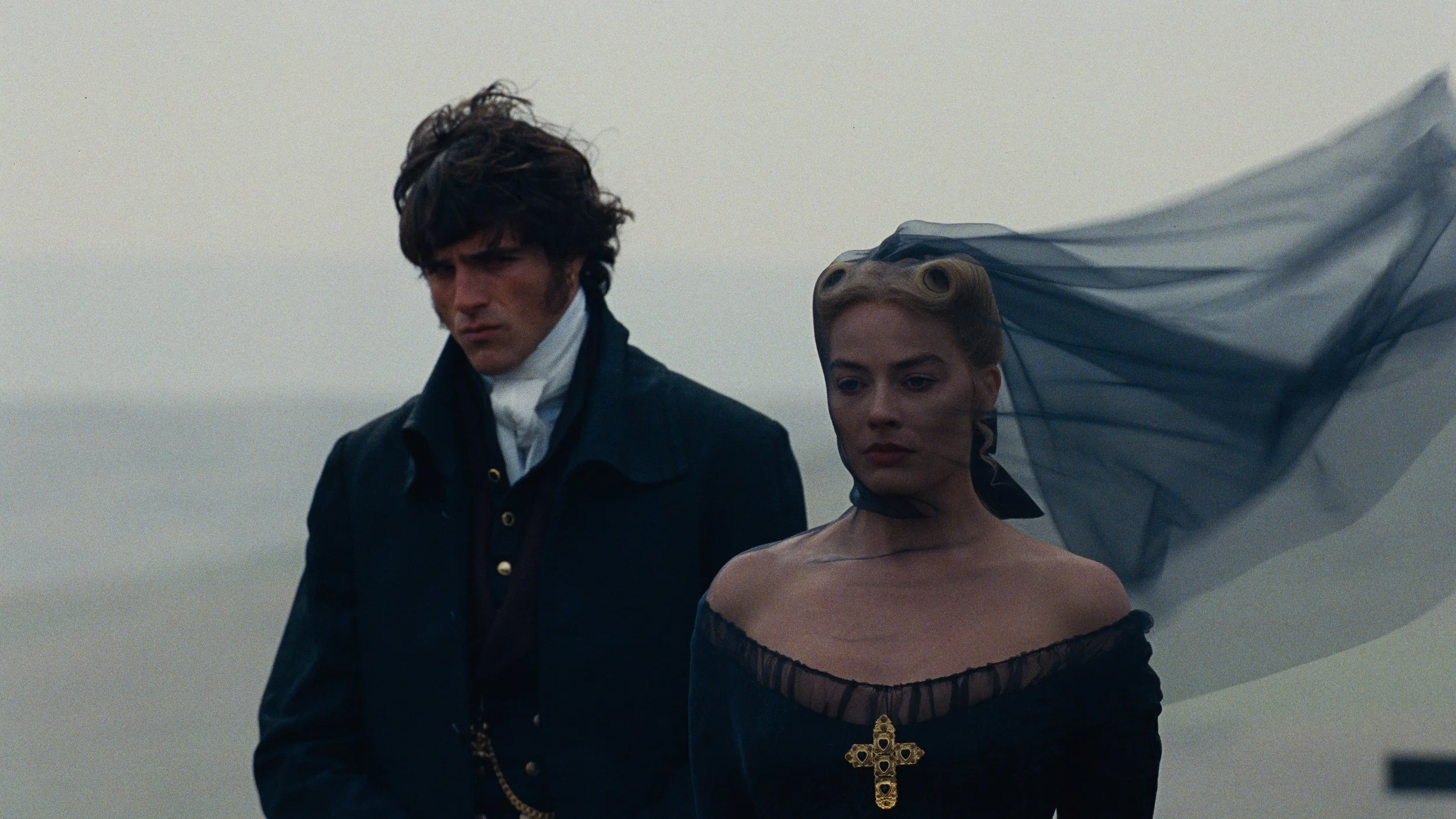
Elordi’s Heathcliff matches her beat for beat. If Robbie embodies flame, Elordi plays smoldering embers — quiet, watchful, simmering with humiliation and longing. From the moment he’s brought into the Earnshaw household as an outsider, Heathcliff’s otherness shapes the story. Fennell nods to the novel’s colonial subtext without fully excavating it, focusing instead on the raw magnetism between the two leads. Elordi leans into Heathcliff’s wounded masculinity, making him both romantic antihero and looming threat. His transformation upon returning — wealthy, sharpened, composed — lands with operatic force.
This is not the chilly, brooding Wuthering Heights of earlier adaptations. Fennell’s film is drenched in color and sensuality. Linus Sandgren’s cinematography captures the Yorkshire moors as both idyllic playground and emotional battleground. Rain clings to skin. Fabrics cling to bodies. The camera lingers on glances, on touch, on the physical charge between Cathy and Heathcliff. It’s a deliberate departure from the restrained melancholy of William Wyler’s 1939 version or Andrea Arnold’s stark 2011 take.
Instead, Fennell gives us something closer to maximalist romantic delirium. If Saltburn reveled in class envy and decadence, Wuthering Heights revels in desire.
The first half of the film thrives on youthful abandon. Cathy and Heathcliff’s childhood bond bleeds seamlessly into erotic obsession. The quasi-sibling dynamic that unsettled readers for generations becomes here a source of charged intensity rather than repression. Fennell does not shy away from the carnal undercurrent of their connection. For some viewers, that boldness will feel liberating. For others, indulgent.
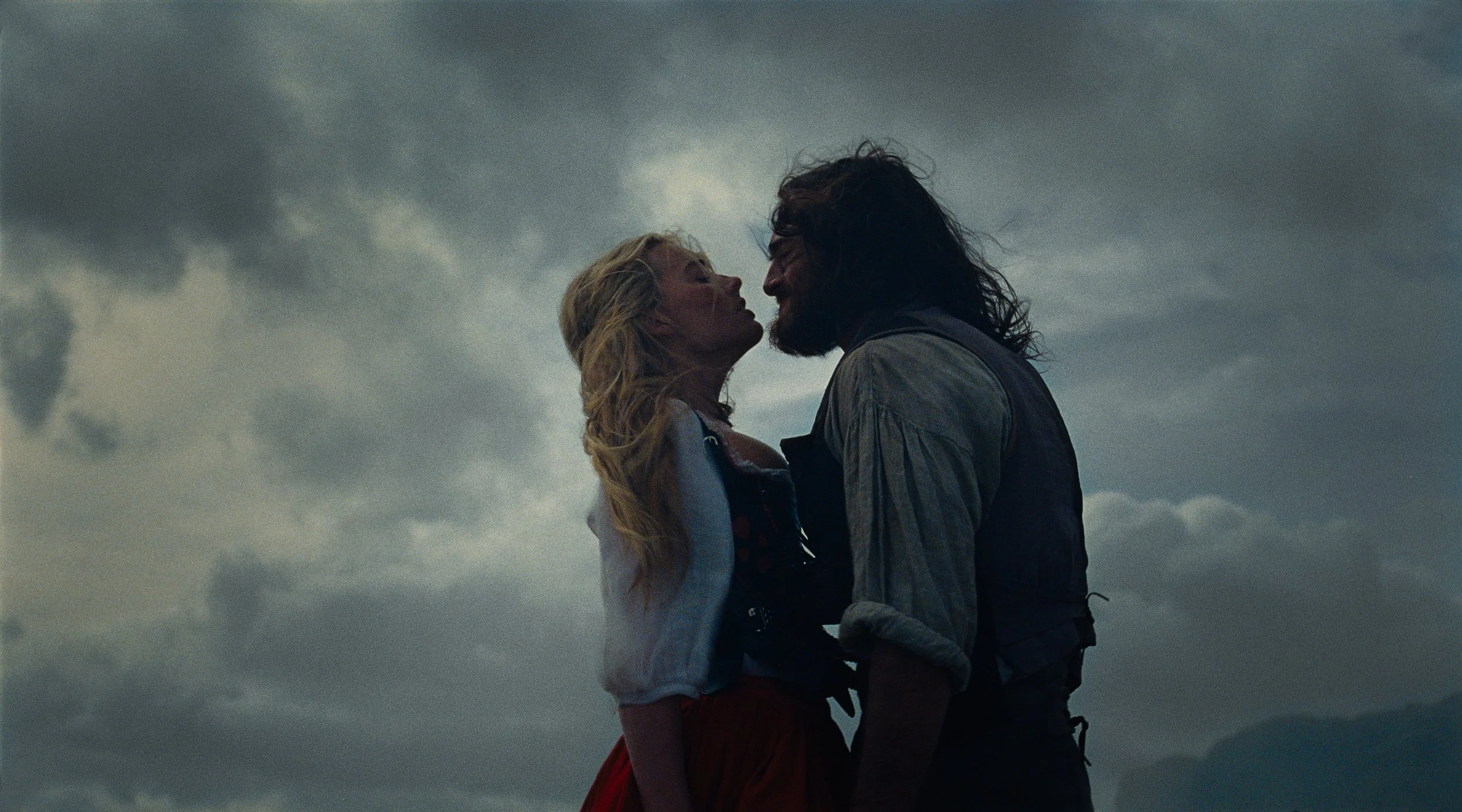
(L-r) Actor, Producer MARGOT ROBBIE as Catherine Earnshaw and JACOB ELORDI as Heathcliff in “Wuthering Heights,” Photo Courtesy Warner Bros. Pictures.
Where the film becomes most interesting is in its treatment of choice. Cathy’s decision to marry Edgar Linton, played with gentle sincerity by Shazad Latif, is framed not as betrayal but as strategic survival. Edgar represents stability, wealth, and social acceptance. Heathcliff represents passion, chaos, and social exile. Fennell resists easy moralizing. Cathy is neither purely mercenary nor purely romantic. She is torn — and often chooses selfishly.
Hong Chau’s Nelly provides the film’s quiet counterweight. As Cathy’s confidante and observer, Chau infuses the character with alert stillness. Her Nelly watches everything. She absorbs insult and dismissal with restrained intelligence. In a film overflowing with operatic emotion, Chau grounds the narrative in something more measured. Her loyalty to Cathy feels layered — affectionate yet complicated by class resentment and long-simmering wounds.
If the film has a weakness, it lies in its thematic selectivity. The novel’s uncomfortable racial and colonial undertones are acknowledged but not deeply interrogated. Heathcliff’s outsider status remains primarily aesthetic rather than political. Fennell seems more interested in the universality of obsessive love than the specific historical forces shaping it. Some purists will see this as dilution. Others may view it as reinterpretation.
What cannot be denied is the film’s visual confidence. Jacqueline Durran’s costumes border on fantasy, saturated in deep reds, metallic sheens, and dramatic silhouettes. Suzie Davies’ production design embraces opulence. This is not mud-streaked realism; it’s romantic spectacle. Anthony Willis’ score swells with dramatic fervor, interwoven with original songs by Charli xcx that inject a modern pulse into the period setting. The anachronisms are intentional, occasionally jarring, but undeniably bold.
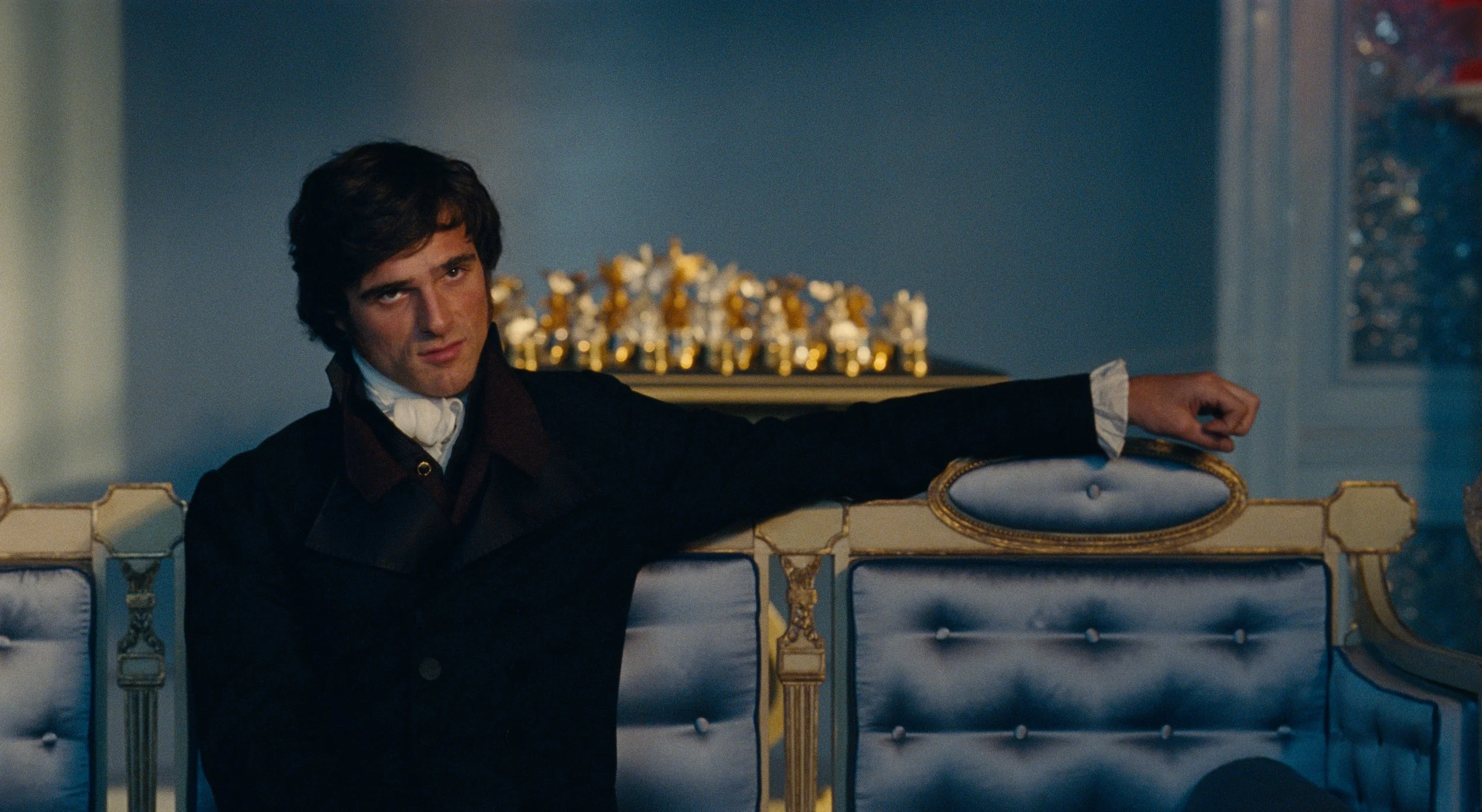
JACOB ELORDI as Heathcliff in “Wuthering Heights,” Photo Courtesy Warner Bros. Pictures.
The second half leans into melodrama with unapologetic grandeur. Heathcliff’s return — polished, wealthy, burning with resentment — ignites the narrative’s darker impulses. Revenge simmers. Marriage curdles into cruelty. Cathy’s unraveling becomes both tragic and inevitable. Fennell stages these turns with heightened theatricality. Storms rage. Emotions explode. At times, the film teeters on excess. But that excess feels chosen, not accidental.
Robbie’s final act is particularly striking. She allows Cathy’s recklessness to calcify into regret. There’s a haunted quality to her performance as she confronts the cost of her choices. Elordi, meanwhile, refuses to sanitize Heathcliff’s monstrous streak. His treatment of Isabella, portrayed with brittle fragility by Alison Oliver, underscores the toxicity of obsession masquerading as devotion.
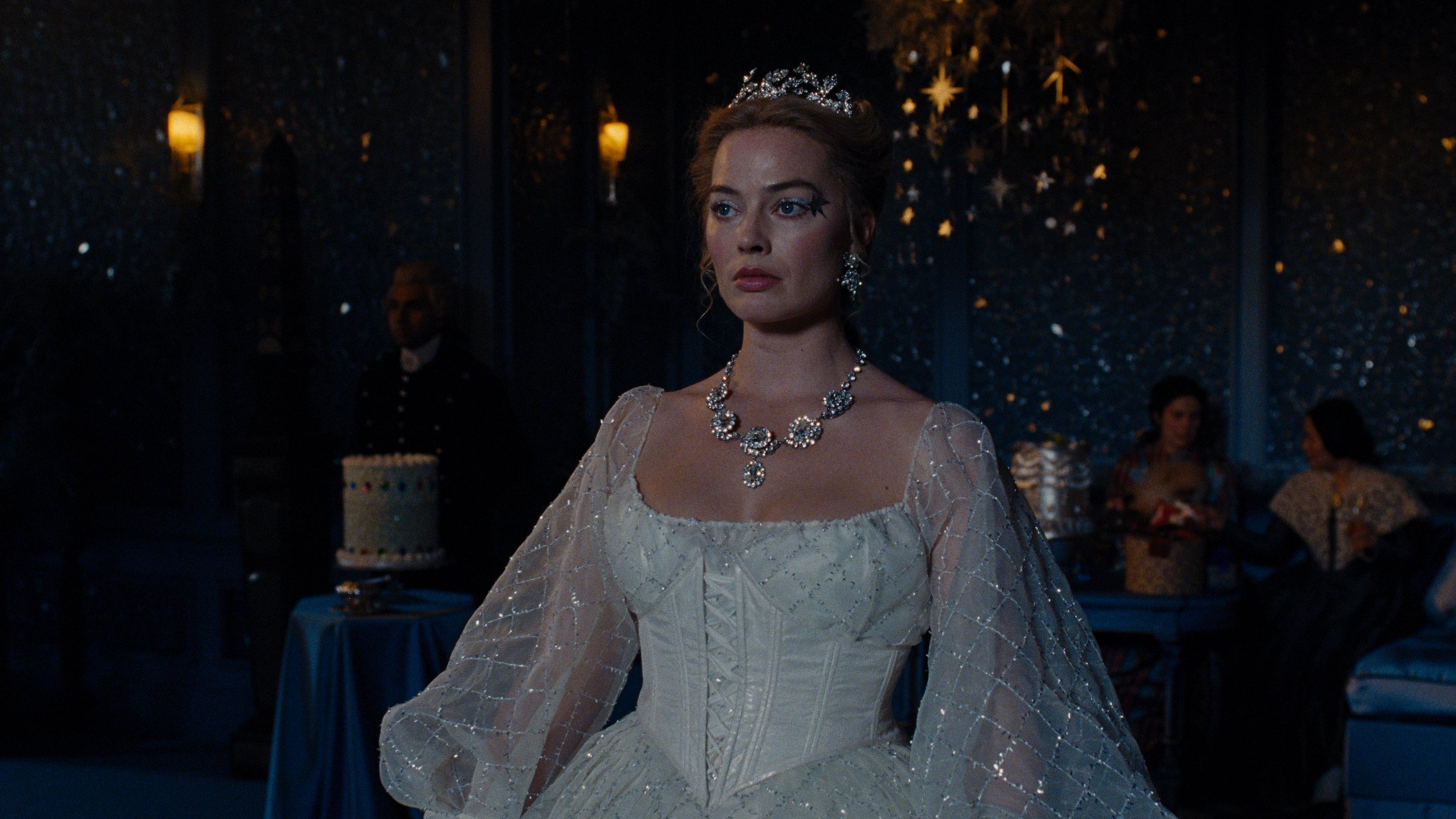
Actor, Producer MARGOT ROBBIE as Catherine Earnshaw in “Wuthering Heights,” Photo Courtesy Warner Bros. Pictures.
For all its romantic intoxication, Fennell does not entirely ignore the destructive nature of the central relationship. Cathy and Heathcliff do not simply suffer from external constraints; they actively wound each other. Their passion is both transcendent and corrosive. Fennell leans heavily into the former, but the latter remains visible beneath the gloss.
Is it faithful to Brontë’s gothic austerity? Not exactly. Is it entertaining? Undeniably.
Wuthering Heights here feels designed for audiences who want romance dialed to fever pitch — who prefer blazing emotion to restrained melancholy. It is, in many ways, Wuthering Heights for the Bridgerton generation: sensual, visually sumptuous, emotionally grand.
POPULAR ON THE CINEMA GROUP
And yet, the tragedy still lands. Beneath the stylization and spectacle, the core remains intact — two people bound by love and pride, unable to choose happiness over ego.
Fennell’s film may divide literary traditionalists. It may even frustrate those who crave a more psychologically rigorous exploration of the novel’s darker undertones. But taken on its own terms, it is pulpy, passionate, and often exhilarating.
Most of all, it belongs to Robbie and Elordi. Their chemistry crackles from first glance to final breath. They don’t merely perform the romance — they embody its volatility.
And in a love story built on obsession, that intensity is everything.
Rating: ★★★★☆
That’s a Wrap
|
Wuthering Hieghts
|
That’s a Wrap | Wuthering Hieghts |
“A lush, feverish, and unapologetically sensual reimagining, Wuthering Heights trades gothic restraint for blazing passion — and Margot Robbie and Jacob Elordi make it burn.”
CREDITS
Release Date: Friday, February 13
Cast: Margot Robbie, Jacob Elordi, Hong Chau, Shazad Latif, Alison Oliver, Martin Clunes, Ewan Mitchell
Director-screenwriter: Emerald Fennell
Studio: Warner Bros. Pictures
Run Time: 2 hours 16 minutes
Rated R
Watch The Trailer Below:





![WERWULF - Official Trailer [HD] - Only In Theaters Christmas](https://i.ytimg.com/vi/cmjpadVj-Vk/hqdefault.jpg)