Golden Globes Analysis: The Six Wins That Reshaped the Oscar Race Overnight
GETTY IMAGES
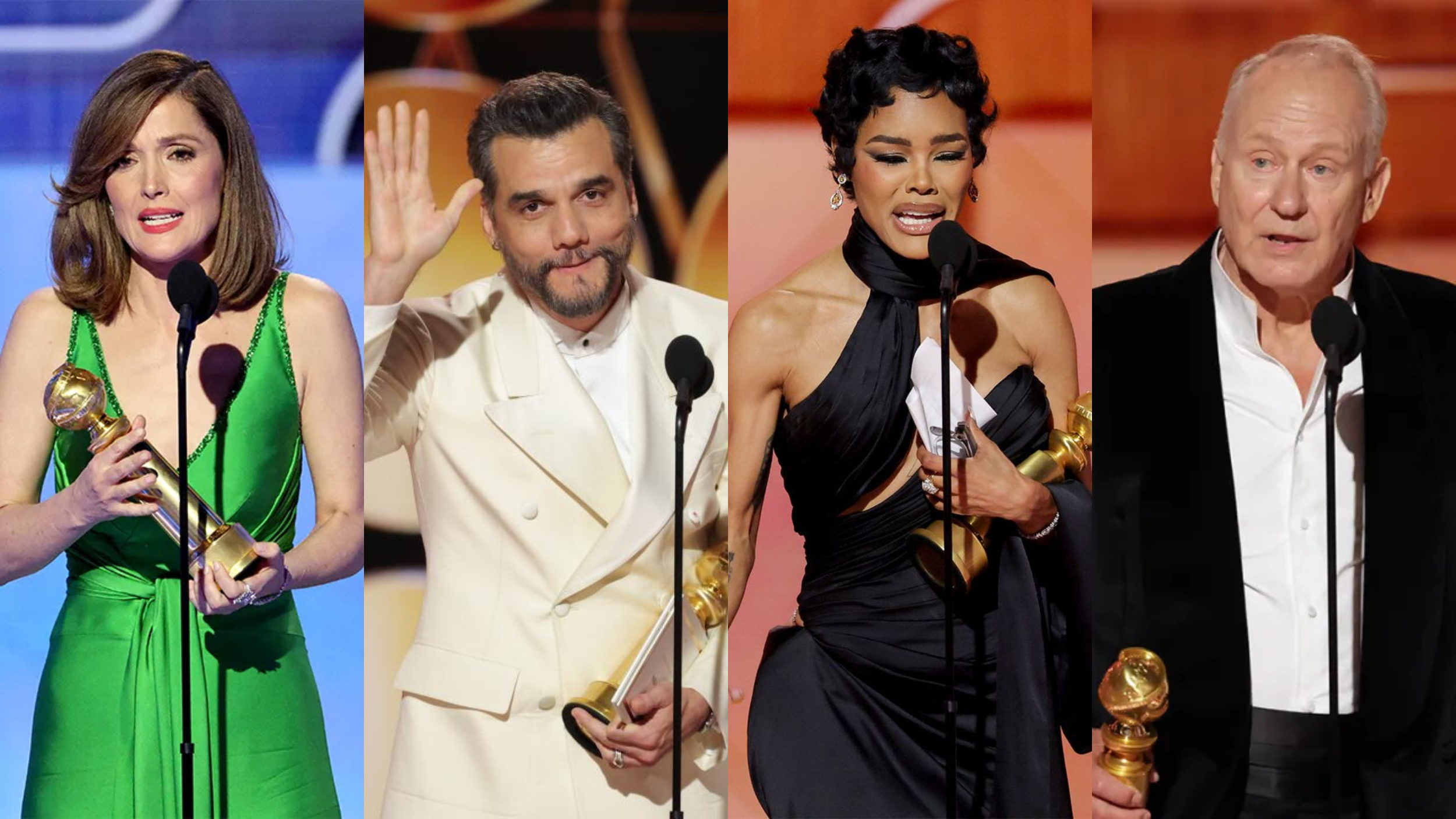
With Oscar ballots opening hours later, the Golden Globes didn’t just hand out trophies — they reshaped momentum, clarified frontrunners, and quietly decided which films voters will take seriously this week.
Unlike last year, the 2026 Golden Globes didn’t arrive as an early-season curiosity or a mid-race distraction. They landed with timing that mattered. Oscar nomination voting opened the very next morning, turning Sunday night into the final, highly visible argument before ballots were cast.
The Globes’ voting body — an international group of journalists — has always operated differently from the Academy, but that distinction didn’t dilute the impact of this year’s results. If anything, it sharpened them. Several wins didn’t just reflect momentum; they created it, amplifying films and performances at the exact moment undecided voters were making final calls.
By the end of the ceremony, it was clear that not all victories carried equal weight. A handful, however, shifted perception, reordered frontrunners, and introduced new pressure points across multiple categories.
Here are the wins that carried the most consequence.
1. ‘Hamnet’ and ‘One Battle After Another’ Lock in a Two-Film Picture Race
GETTY IMAGES
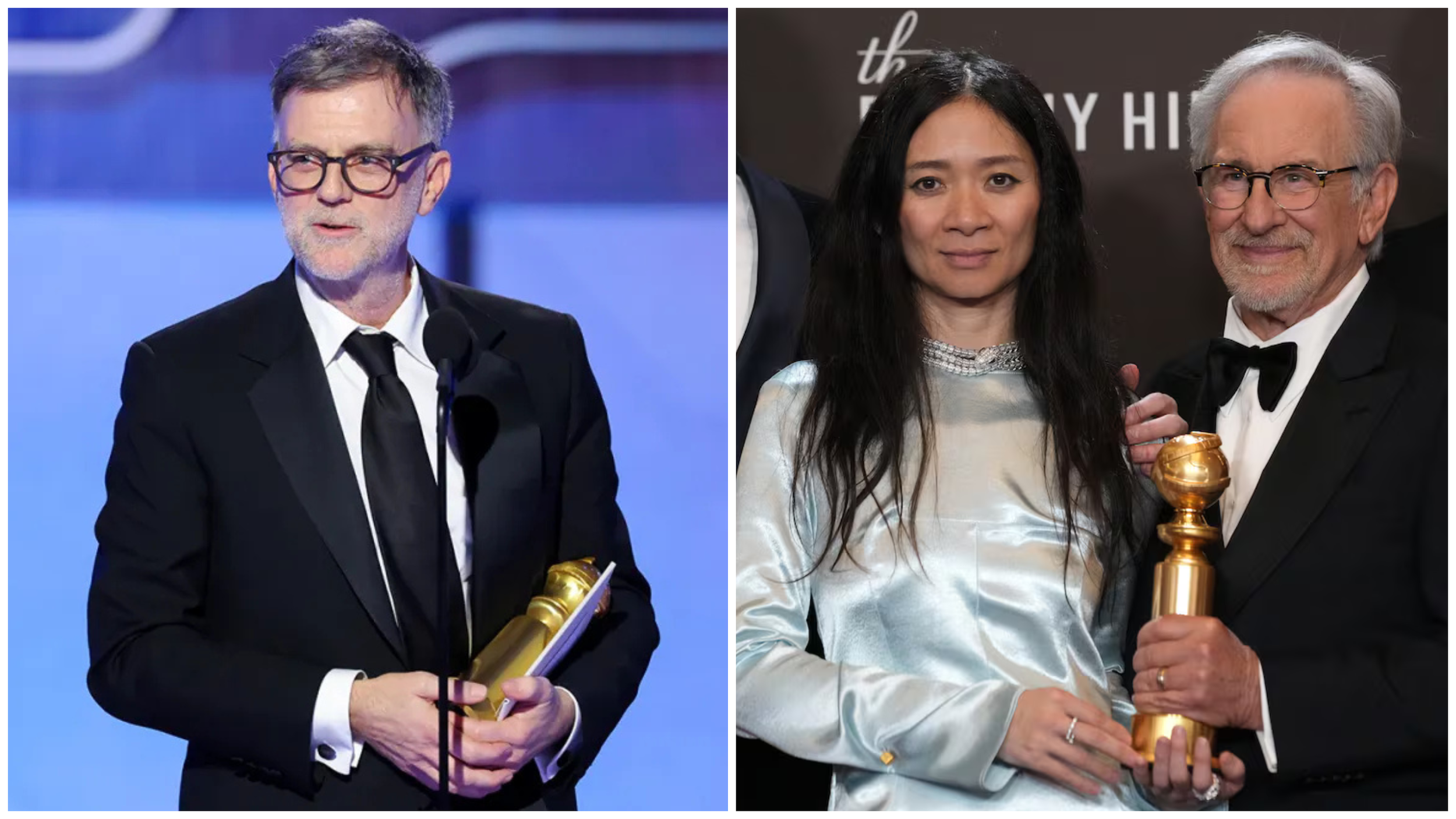
The biggest takeaway of the night wasn’t surprise — it was confirmation. Hamnet winning Best Motion Picture (Drama) and One Battle After Another taking Musical or Comedy effectively solidified a two-film Best Picture conversation heading into Oscar voting.
‘Hamnet’ gained enormous prestige value with Steven Spielberg accepting the award as a producer, a reminder of the film’s deep industry backing. Jessie Buckley’s acting win only strengthened its position as a serious, across-the-board contender rather than a prestige niche pick.
Meanwhile, ‘One Battle After Another’ emerged not just dominant, but disciplined. Paul Thomas Anderson’s victories for director and screenplay reinforced the film’s auteur credibility, while its ensemble strength continues to buoy multiple acting races. Together, these wins didn’t split momentum — they concentrated it.
2. ‘The Secret Agent’ and Wagner Moura Break Through at Exactly the Right Time
GETTY IMAGES
The Golden Globes once again proved more open to international cinema than many domestic awards bodies — and The Secret Agent benefited enormously.
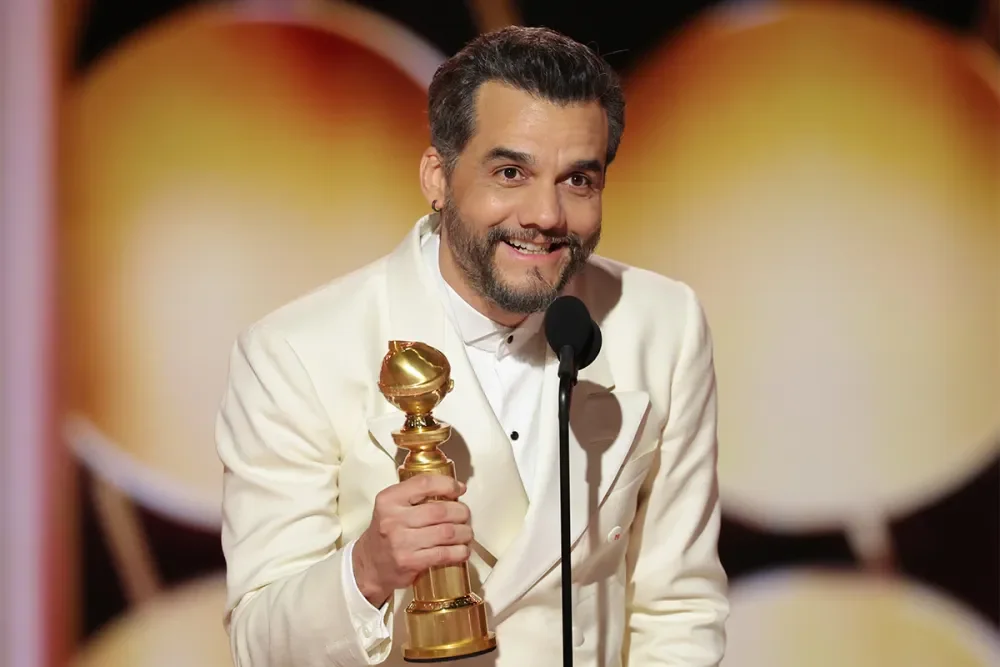
Winning Best Non-English Language Film for a second major ceremony in a row immediately complicates assumptions about which international titles are strongest heading into Oscar nominations. More crucially, Wagner Moura’s Best Actor (Drama) win pushed him firmly into the conversation as a legitimate lead-actor contender — not a critics’ favorite, not a festival darling, but a voter-facing threat.
His acceptance speech, which emphasized the film’s urgency and political relevance, landed as a reminder that Globes wins can still frame narrative, not just reward performance.
3. Rose Byrne Turns a Small Film Into Required Viewing
GETTY IMAGES
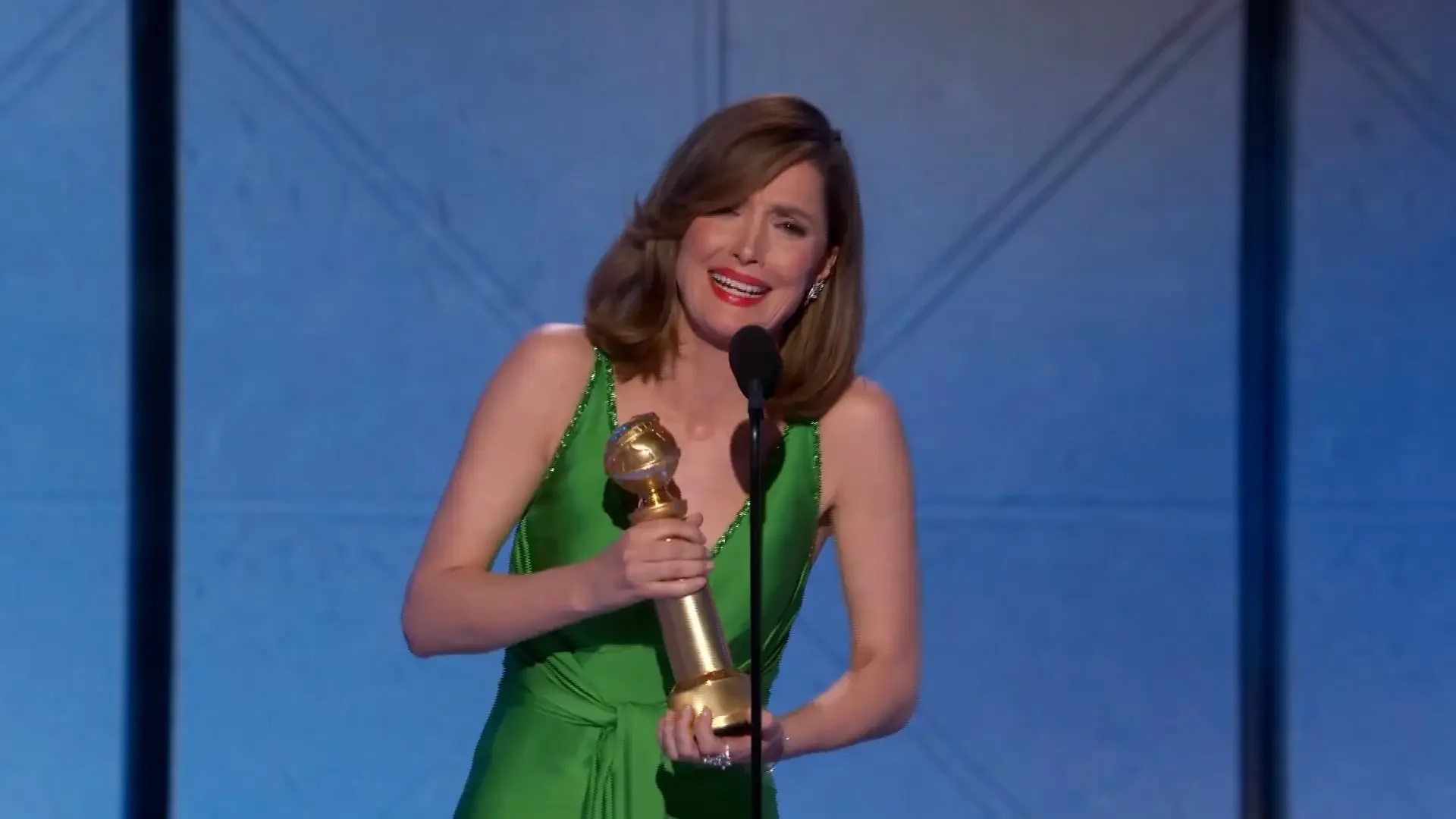
Not all Globes wins carry equal weight — but Rose Byrne’s Best Actress (Musical or Comedy) victory may be one of the most strategically important of the night.
If I Had Legs I’d Kick You remains a modestly scaled indie, but Byrne’s win reframed it overnight. For Academy members still prioritizing screeners, the message was clear: this performance matters. In a Best Actress race that lacks a locked-in consensus beyond a few names, Byrne now enters Oscar voting week with momentum she simply didn’t have before Sunday night.
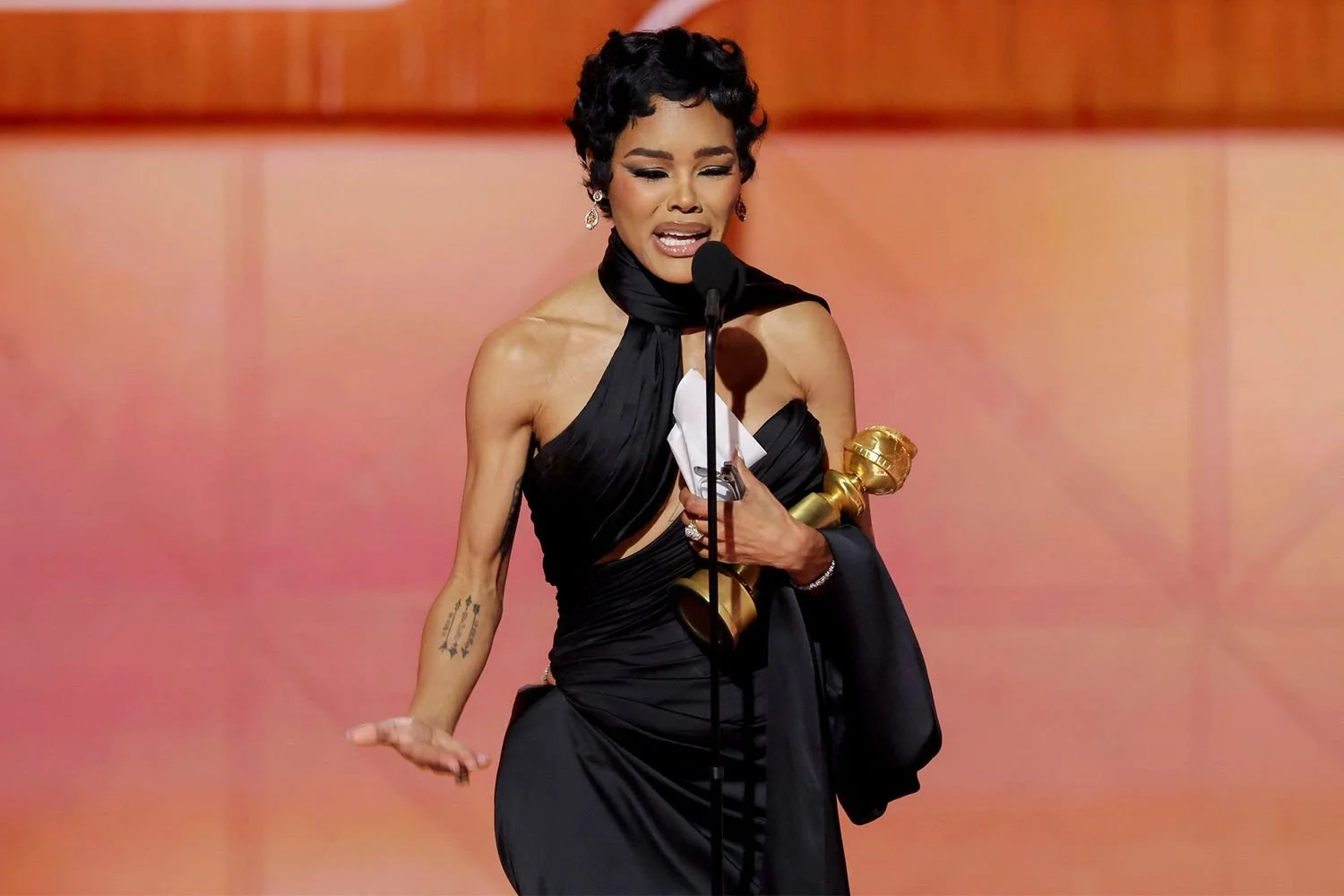
4. Teyana Taylor Reclaims Ground in a Shifting Supporting Actress Race
GETTY IMAGES
Few categories are as unsettled this year as Best Supporting Actress, and Teyana Taylor’s Golden Globe win for One Battle After Another meaningfully reshuffled the deck.
After critics’ prizes split in different directions earlier in the season, Taylor’s Globe victory — paired with a visible standing ovation — restored her status as a serious contender. The timing couldn’t be better: Actor Awards voting and Oscar ballots are now overlapping, and Taylor carries the advantage of being part of the season’s most broadly embraced film.
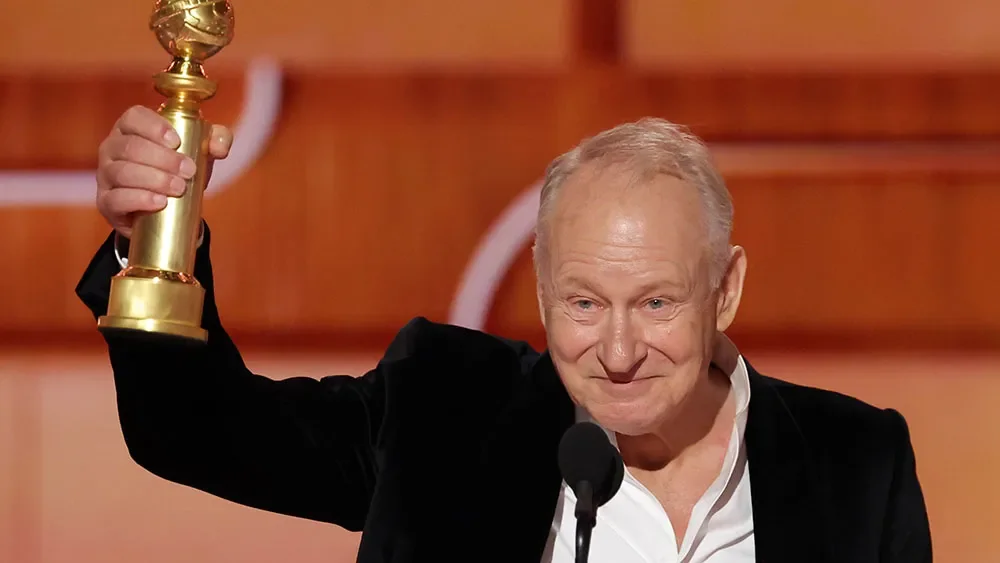
5. Stellan Skarsgård Gets the Rebound He Needed
GETTY IMAGES
Sentimental Value entered the season with Stellan Skarsgård widely considered the supporting-actor frontrunner — until a rough stretch of losses complicated that narrative.
The Golden Globes corrected course. Skarsgård’s win served as a reminder of both the performance’s power and the actor’s standing within the industry. His acceptance speech, which gently acknowledged the film’s modest scale and limited exposure, doubled as a campaign reset at precisely the right moment.
POPULAR ON THE CINEMA GROUP
6. Eva Victor Benefits From the Moment Money Can’t Buy

Not every turning point came with a trophy. When Julia Roberts paused mid-presentation to publicly champion Eva Victor and Sorry, Baby, it created the night’s most organic publicity beat.
That kind of unscripted endorsement — especially from an industry icon — can cut through weeks of campaign noise in seconds. For a film hovering on the edge of the Original Screenplay race, the moment may prove decisive as voters finalize their ballots.

GETTY IMAGES
The 2026 Golden Globes didn’t redefine the awards season — they refined it. By the time Oscar nomination voting opened hours later, the field felt narrower, clearer, and more strategically aligned than it had all season.
Momentum was assigned. Doubts were answered. And for a select group of films and performances, Sunday night arrived just in time.







![WERWULF - Official Trailer [HD] - Only In Theaters Christmas](https://i.ytimg.com/vi/cmjpadVj-Vk/hqdefault.jpg)